
 BTC
BTC
 ETH
ETH
 USDT
USDT
 BNB
BNB
 XRP
XRP
 USDC
USDC
 SOL
SOL
 TRX
TRX
 ZEC
ZEC
 FIGR_HELOC
 HYPE
HYPE
 DOGE
DOGE
 LINK
LINK
 XMR
XMR
 WBT
WBT
 USDS
USDS
 ADA
ADA
 RAIN
RAIN
 LEO
LEO
 XLM
XLM
 NEAR
NEAR
 BCH
BCH
 UNI
UNI
 CC
CC
 LTC
LTC
 SUI
SUI
 USDE
USDE
 AVAX
AVAX
 DAI
DAI
 GRAM
GRAM
 USD1
USD1
 HBAR
HBAR
 QNT
QNT
 TAO
TAO
 SHIB
SHIB
 BTW
BTW
 CRO
CRO
 USDG
USDG
 XAUT
XAUT
 ONDO
ONDO
 PYUSD
PYUSD
 ENA
ENA
 M
M
 OKB
OKB
 RLUSD
RLUSD
 USYC
USYC
 PUMP
PUMP
 AAVE
AAVE
 BUIDL
BUIDL
 USDY
USDY
 MNT
MNT
 DOT
DOT
 WLD
WLD
 ASTER
ASTER
 SKY
SKY
 MORPHO
 WLFI
WLFI
 PAXG
PAXG
 PEPE
PEPE
 ICP
ICP
 USDD
USDD
 HTX
HTX
 ARB
ARB
 ETC
ETC
 EURSAFO
 U
U
 USDGO
USDGO
 BGB
BGB
 USDF
USDF
 VVV
VVV
 BFUSD
BFUSD
 KAS
KAS
 POL
POL
 JUP
JUP
 GT
GT
 LIT
LIT
 ALGO
ALGO
 CAKE
CAKE
 RENDER
 JST
JST
 PI
PI
 KCS
KCS
 ATOM
ATOM
 BCAP
BCAP
 FIL
FIL
 DASH
DASH
 NEXO
NEXO
 AERO
AERO
 VET
VET
 INJ
INJ
 USTB
USTB
 EUTBL
EUTBL
 APT
APT
 STABLE
 GHO
GHO
 AKE
AKE
 ETHFI
ETHFI
 XDC
XDC
 PYTH
PYTH
 PENGU
PENGU
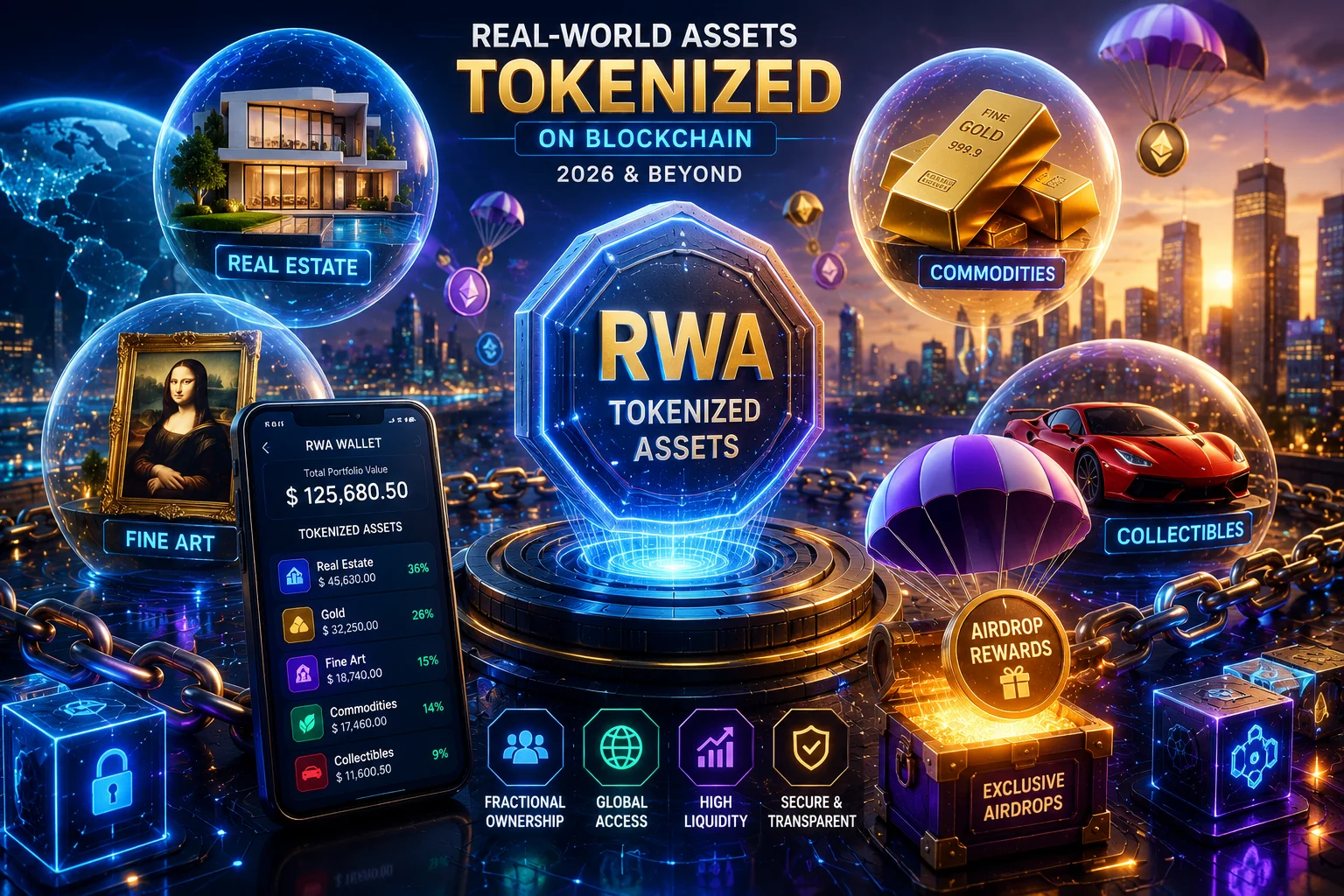

Real-world asset tokenization on blockchain in 2026 refers to converting tangible assets—like real estate, commodities, or collectibles—into digital tokens on blockchain networks. This innovation enables fractional ownership, global access, and increased liquidity for investors. For crypto investors and airdrop hunters, tokenized assets unlock new ways to diversify portfolios and participate in exclusive airdrops from emerging projects, making 2026 a pivotal year for blockchain-powered asset investing.
What Is Real-World Asset Tokenization on Blockchain in 2026?
Real-world asset (RWA) tokenization is the process of digitally representing physical assets on a blockchain. In 2026, this trend has accelerated, with platforms enabling the tokenization of assets such as real estate, precious metals, art, intellectual property, and even carbon credits. Each token represents a share of the underlying asset, allowing for fractional ownership and easier transferability.
Unlike traditional ownership, which often involves paperwork, intermediaries, and geographical limitations, blockchain-based tokenization offers transparency, efficiency, and global reach. Smart contracts automate transactions and enforce rules, reducing the need for trust in third parties. As a result, tokenized assets are now accessible to a broader range of investors, including those seeking exposure through airdrops and early-stage participation.
Types of Real-World Assets Being Tokenized in 2026
- Real Estate: Residential, commercial, and industrial properties are now commonly tokenized, allowing investors to buy fractions of buildings or land.
- Commodities: Gold, silver, oil, and agricultural products are increasingly represented as blockchain tokens.
- Art and Collectibles: High-value art pieces, rare collectibles, and even music royalties are tokenized for fractional investment.
- Intellectual Property: Patents, trademarks, and copyrights are being digitized, enabling new investment models.
- Environmental Assets: Carbon credits and renewable energy certificates are tokenized to support sustainability goals.
How Blockchain Enables Secure Asset Tokenization
Blockchain technology underpins the security and transparency of tokenized assets. Each token is recorded on a distributed ledger, making ownership and transaction history immutable and auditable. Smart contracts automate compliance, dividend distribution, and asset transfers, reducing operational risks. Leading tokenization platforms in 2026 are also integrating cross-chain interoperability, allowing assets to move seamlessly between different blockchain ecosystems.
Why Tokenized Assets Matter for Crypto Investors in 2026
The rise of real-world asset tokenization is reshaping investment strategies for crypto enthusiasts. Tokenized assets offer several advantages over traditional investments and even over conventional crypto tokens.
Key Benefits of Asset Tokenization for Investors
- Diversification: Investors can access a wider range of asset classes, reducing exposure to crypto market volatility.
- Liquidity: Fractional ownership and 24/7 trading on blockchain platforms improve liquidity for traditionally illiquid assets.
- Global Access: Investors worldwide can participate, regardless of their location or local financial infrastructure.
- Lower Entry Barriers: Fractionalization allows small investors to gain exposure to high-value assets.
- Transparency: Blockchain records ensure transparent ownership and transaction history.
For airdrop hunters, tokenized asset projects often distribute tokens to early adopters, liquidity providers, or community members, creating unique opportunities to earn rewards from real-world-backed tokens.
If you want reward-focused opportunities that involve tasks or activity, compare more earn crypto airdrops before choosing where to spend your time.
Top Real-World Asset Tokenization Projects Offering Airdrops in 2026
Several blockchain projects have emerged as leaders in the RWA tokenization space, each with its own approach to airdrop incentives and community engagement. While project specifics can change rapidly, here are some of the most discussed categories and trends among airdrop hunters in 2026:
- Real Estate Tokenization Platforms: These platforms tokenize property portfolios and often reward early users or liquidity providers with airdropped governance or utility tokens.
- Commodity-Backed Token Projects: Projects tokenizing gold, silver, or energy assets may offer airdrops to users who stake, trade, or provide liquidity.
- Art and Collectible Tokenization: NFT-based platforms sometimes airdrop tokens to users who participate in auctions or fractional ownership pools.
- Cross-Chain Tokenization Protocols: Protocols enabling interoperability between blockchains frequently incentivize users with airdrops for bridging assets or testing new features.
To stay updated on the latest airdrop opportunities, check the latest crypto airdrops page regularly.
Case Studies: Successful Tokenized Asset Airdrops
In recent years, several tokenized asset projects have conducted high-profile airdrops. For example, some real estate tokenization platforms have distributed governance tokens to early testers, while commodity-backed projects have rewarded liquidity providers with bonus tokens. These campaigns typically reward users who engage early, provide feedback, or help bootstrap liquidity pools. Always research project legitimacy before participating.
How to Participate in Tokenized Asset Airdrops: Step-by-Step Guide
Participating in airdrops from real-world asset tokenization projects requires careful planning and due diligence. Here’s a step-by-step guide tailored for airdrop hunters in 2026:
- Research Projects: Identify legitimate tokenization platforms with upcoming airdrops. Use trusted sources and community forums to verify authenticity.
- Meet Eligibility Criteria: Many projects require users to complete specific actions, such as staking, providing liquidity, or participating in governance votes.
- Set Up a Compatible Wallet: Ensure your crypto wallet supports the blockchain and token standards used by the project (e.g., ERC-20, BEP-20, or cross-chain tokens).
- Complete KYC (if required): Some RWA projects require identity verification due to regulatory compliance.
- Monitor Official Channels: Follow the project’s official website, social media, and community groups for airdrop announcements and instructions.
- Claim Your Airdrop: After meeting requirements, follow the project’s process to claim your tokens. Beware of phishing links and only use official sources.
For more detailed strategies, visit our crypto guides and market analysis section.
Eligibility Criteria for Tokenized Asset Airdrops
- Holding or staking a minimum amount of the project’s native token
- Providing liquidity to designated pools
- Participating in governance or community activities
- Completing KYC or regional compliance checks
Always review the specific requirements for each project, as eligibility can vary widely.
Best Practices for Airdrop Hunters in 2026
- Use a dedicated wallet for airdrop participation to minimize risk
- Double-check official sources before connecting your wallet or submitting information
- Stay updated on regulatory changes that may affect eligibility or tax obligations
- Join reputable community channels for the latest insights and alerts
- Never pay upfront fees to claim legitimate airdrops
For essential safety tips, consult our crypto safety guide.
DeFi campaigns can involve protocol usage, liquidity, staking, or wallet activity. Before spending gas or locking funds, compare more DeFi airdrops and review the effort-to-reward balance.
Risks and Rewards of Investing in Tokenized Real-World Assets
While asset tokenization offers exciting opportunities, it also introduces new risks. Crypto investors and airdrop hunters must balance potential rewards with careful risk management.
- Regulatory Uncertainty: Legal frameworks for tokenized assets are evolving. Some jurisdictions may restrict participation or impose additional compliance requirements.
- Platform Security: Smart contract bugs, platform vulnerabilities, or operational failures can put funds at risk. Always use well-audited platforms.
- Asset Backing and Valuation: The value of tokenized assets depends on the underlying physical asset and the project’s transparency. Verify asset custody and regular audits.
- Liquidity Risks: Not all tokenized assets have active secondary markets, which can affect your ability to sell or trade tokens.
- Scams and Phishing: The popularity of airdrops attracts scammers. Only interact with official project channels and never share private keys.
Despite these risks, successful participation in tokenized asset airdrops can provide early access to promising projects, governance rights, and potential financial rewards. However, never invest more than you can afford to lose and always conduct independent research.
Comparison of Leading Tokenized Asset Platforms and Their Airdrop Policies in 2026
In 2026, several platforms have become prominent in the asset tokenization landscape. While each platform has unique features, airdrop policies generally fall into a few categories:
| Platform Type | Asset Focus | Typical Airdrop Criteria | Notable Features |
|---|---|---|---|
| Real Estate Tokenizers | Property, REITs | Early adoption, staking, governance | Fractional ownership, regulatory compliance |
| Commodity Tokenizers | Gold, silver, oil | Liquidity provision, trading volume | Physical asset audits, cross-chain support |
| Art & Collectibles | Fine art, NFTs | Participation in auctions, community engagement | Royalties, NFT integration |
| Cross-Chain Protocols | Multiple asset types | Bridging, testing new features | Interoperability, DeFi integration |
Before joining any airdrop campaign, review the platform’s documentation, audit reports, and community feedback. For the latest updates, see our latest crypto airdrops page.
Legal and Regulatory Considerations for Tokenized Asset Investors in 2026
Regulation is a key factor in the asset tokenization space. In 2026, many jurisdictions have introduced or updated frameworks for tokenized securities, commodities, and property. Key considerations include:
- KYC/AML Requirements: Many platforms require identity verification to comply with anti-money laundering laws.
- Securities Laws: Some tokenized assets may be classified as securities, affecting who can participate in airdrops or secondary trading.
- Tax Implications: Receiving airdropped tokens may be considered taxable income in some regions. Consult a tax professional for guidance.
- Cross-Border Restrictions: Not all airdrops are available in every country due to regulatory limitations.
Stay informed about the latest legal developments and always use compliant platforms. For more on crypto safety and compliance, visit our crypto safety guide.
Step-by-Step Walkthrough: Claiming Airdrops from Real-World Asset Tokenization Projects
To maximize your chances of successfully claiming airdrops from tokenized asset projects, follow these practical steps:
- Track Airdrop Announcements: Subscribe to project newsletters, join official Telegram/Discord groups, and monitor reputable crypto news sources.
- Prepare Your Wallet: Use a non-custodial wallet compatible with the project’s blockchain. Consider using a hardware wallet for added security.
- Complete Required Actions: This may include staking, providing liquidity, or participating in beta tests. Document your participation for future reference.
- Verify Eligibility: Some projects provide eligibility checkers or snapshot tools. Double-check your wallet address before claiming.
- Claim Tokens Securely: Only use links from official sources. Never enter your private key or seed phrase to claim an airdrop.
- Monitor for Scams: Be cautious of unsolicited DMs, fake websites, or offers that seem too good to be true.
For more on secure airdrop participation, see our crypto safety guide.
Future Trends: Asset Tokenization and Airdrops Beyond 2026
Looking ahead, several trends are shaping the future of real-world asset tokenization and airdrop strategies:
- Cross-Chain Interoperability: Platforms are increasingly supporting multiple blockchains, enabling broader participation and asset movement.
- Decentralized Identity: Privacy-preserving KYC solutions are emerging, balancing compliance with user autonomy.
- Automated Compliance: Smart contracts are integrating regulatory checks, making it easier for projects to offer compliant airdrops globally.
- Institutional Adoption: More traditional financial institutions are exploring tokenized assets, potentially increasing legitimacy and liquidity.
- Community-Driven Airdrops: Projects are rewarding active community members, not just passive holders, with governance and utility tokens.
Staying informed about these trends will help airdrop hunters and investors capitalize on new opportunities as the market evolves.
Key Takeaways for Airdrop Hunters and Crypto Investors in 2026
- Real-world asset tokenization on blockchain is unlocking new investment and airdrop opportunities in 2026.
- Tokenized assets offer diversification, liquidity, and global access, but also introduce regulatory and security risks.
- Successful airdrop participation requires research, due diligence, and strict adherence to safety best practices.
- Regulatory developments and platform innovation are rapidly changing the landscape—stay updated to maximize your rewards.
- Always use trusted resources like our latest crypto airdrops and crypto safety guide for the most current information.
As real-world asset tokenization matures, airdrop hunters and crypto investors who stay informed, cautious, and proactive will be best positioned to benefit from the next wave of blockchain innovation.
Still unsure about wallets, eligibility, or reward rules? Visit our FAQ page for quick answers before joining any new crypto campaign.
Comparison of Leading Tokenized Asset Platforms and Their Airdrop Policies in 2026
With the rapid growth of real-world asset tokenization on blockchain in 2026, several platforms have emerged as leaders in the space. Each offers unique features, asset classes, and airdrop opportunities for crypto investors and airdrop hunters. Below is a comparison of the most prominent tokenization platforms and their airdrop policies:
| Platform | Asset Types | Airdrop Policy | Eligibility Criteria |
|---|---|---|---|
| TokenEstate | Real Estate, Commercial Properties | Quarterly airdrops for early adopters and liquidity providers | Hold platform tokens, participate in governance |
| ArtifyChain | Fine Art, Collectibles | Event-based airdrops for NFT holders | Own fractionalized art tokens, complete KYC |
| MetalMint | Precious Metals, Commodities | Annual airdrops for staking and referrals | Stake platform tokens, refer new users |
| GreenToken | Carbon Credits, ESG Assets | Milestone-based airdrops tied to project impact | Participate in sustainability initiatives |
Before participating, always review each platform’s official documentation and verify airdrop legitimacy to avoid scams. For more on staying safe, visit our crypto safety guide.
Step-by-Step Guide to Claiming Airdrops from Tokenized Asset Projects
Claiming airdrops from real-world asset tokenization projects in 2026 often involves several steps. Here’s a general walkthrough to help airdrop hunters maximize their chances:
- 1. Research Eligible Projects: Follow official project channels and reputable airdrop aggregators to identify upcoming airdrops. Check for announcements on platforms like TokenEstate, ArtifyChain, and others.
- 2. Meet Eligibility Requirements: Requirements may include holding specific tokens, staking, participating in governance, or completing KYC. Always read the official airdrop rules.
- 3. Connect Your Wallet: Use a secure, non-custodial wallet compatible with the project’s blockchain (e.g., Ethereum, Polygon, or cross-chain solutions).
- 4. Complete Required Actions: This may involve staking tokens, voting in governance, or referring friends. Some projects reward early adopters or active community members.
- 5. Monitor Airdrop Distribution: Keep track of distribution dates and check your wallet for new tokens. Some projects require manual claiming via their dApps.
- 6. Stay Vigilant: Beware of phishing attempts and unofficial links. Only interact with verified project websites and social media accounts.
For a more detailed walkthrough, see our guide on how to claim airdrops.
Legal and Regulatory Considerations for Tokenized Asset Investors in 2026
As asset tokenization matures, regulatory frameworks are evolving to address investor protection, compliance, and cross-border transactions. In 2026, key legal considerations include:
- KYC/AML Compliance: Most reputable tokenization platforms require Know Your Customer (KYC) and Anti-Money Laundering (AML) verification before allowing participation in airdrops or investments.
- Securities Laws: Some tokenized assets may be classified as securities, subjecting them to additional regulations. Always verify the legal status of a token before investing or claiming an airdrop.
- Tax Implications: Receiving airdropped tokens representing real-world assets may trigger taxable events in your jurisdiction. Consult a tax professional for guidance.
- Cross-Border Restrictions: Certain airdrops may be unavailable in specific countries due to regulatory constraints. Check eligibility before participating.
Staying informed about legal developments is crucial. For more, read our crypto guides and market analysis.
Case Studies: Successful Tokenized Asset Airdrops
Several projects have set benchmarks for successful airdrop campaigns in the tokenized asset space. Here are two notable examples from 2026:
- TokenEstate Genesis Airdrop: Early users who staked TE tokens and participated in platform governance received exclusive property-backed tokens. This campaign drove significant user engagement and liquidity to the platform.
- ArtifyChain Collector Rewards: ArtifyChain rewarded NFT holders with fractionalized shares of new art collections. The airdrop incentivized long-term holding and community participation, increasing overall platform adoption.
These case studies highlight the importance of active participation and early adoption for maximizing airdrop rewards.
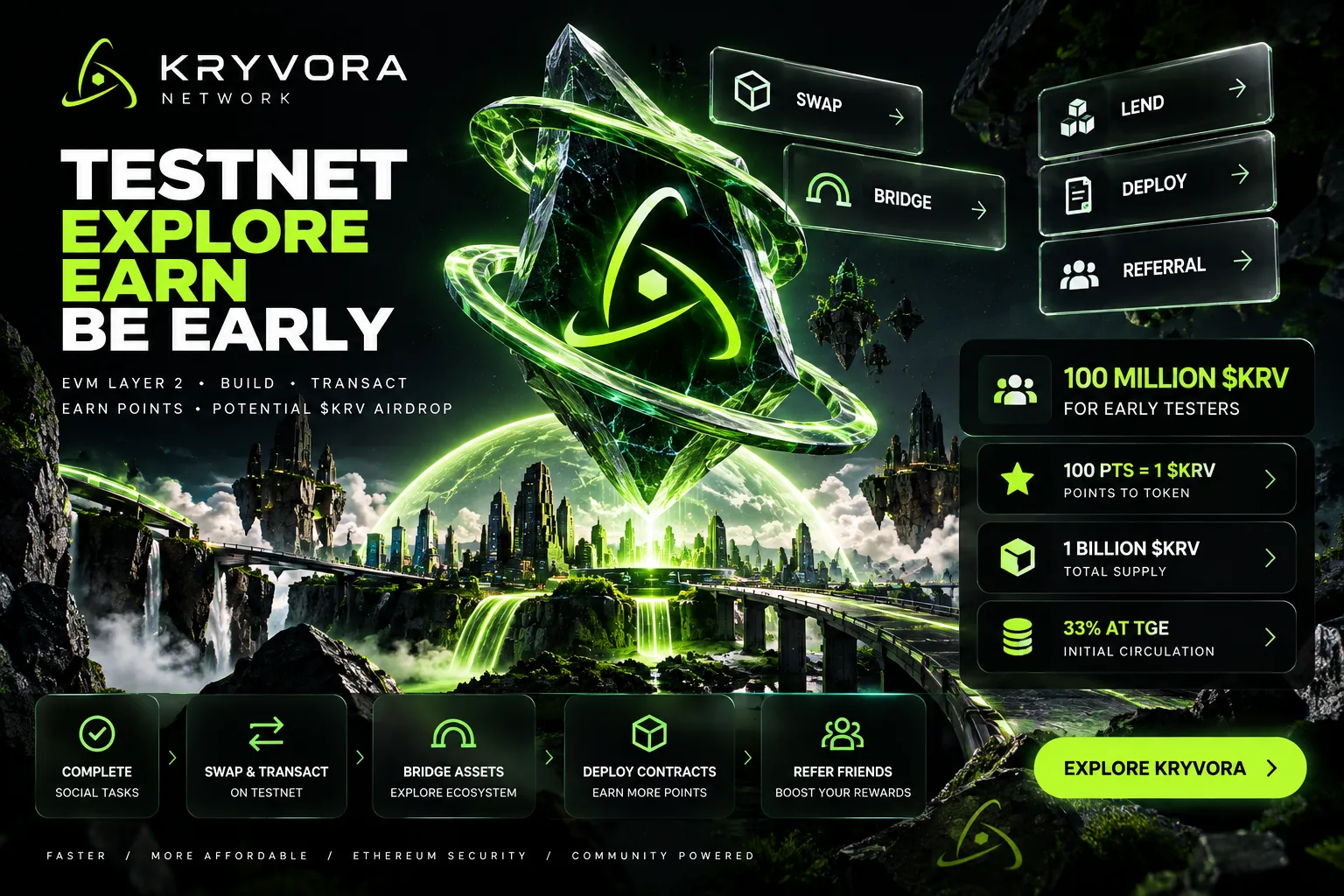
 Kryvora Network
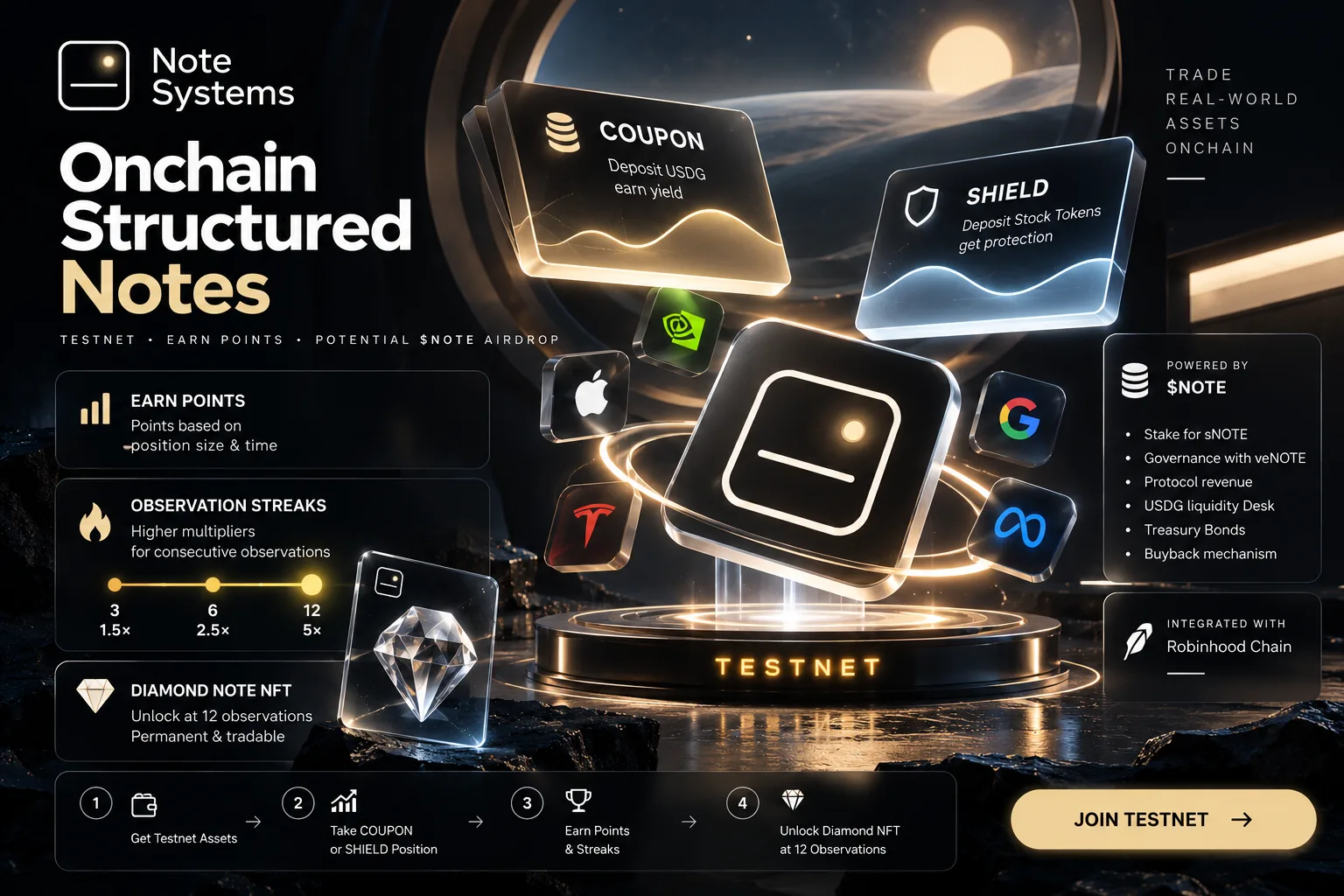
 Note Systems
 Nado
Nado
Risks and Rewards of Investing in Tokenized Real-World Assets
Potential Rewards
- Fractional Ownership: Access to high-value assets with lower capital requirements.
- Liquidity: Easier buying, selling, and trading of traditionally illiquid assets.
- Global Access: Participate in asset markets regardless of location.
- Exclusive Airdrops: Early adopters and active users can receive valuable token rewards.
Risks to Consider
- Regulatory Uncertainty: Changing laws may impact asset classification and airdrop eligibility.
- Platform Security: Smart contract vulnerabilities or platform hacks can jeopardize funds.
- Market Volatility: Tokenized assets may experience price swings, especially in early-stage projects.
- Fraud and Scams: Unverified airdrops or platforms may pose risks. Always conduct due diligence.
For practical tips on minimizing risk, see our crypto safety guide.
Key Takeaways for Airdrop Hunters in 2026
- Real-world asset tokenization is expanding rapidly, offering new opportunities for portfolio diversification and airdrop participation.
- Leading platforms have distinct airdrop policies—review eligibility and requirements carefully.
- Legal and regulatory compliance is essential for safe participation in tokenized asset airdrops.
- Active engagement and early adoption often lead to the most lucrative airdrop rewards.
- Stay informed, use secure wallets, and beware of scams to protect your investments and airdrop gains.
Frequently Asked Questions About Asset Tokenization and Airdrops
- What are the most popular tokenized asset platforms in 2026?
TokenEstate, ArtifyChain, MetalMint, and GreenToken are among the top platforms offering tokenized real-world assets and airdrop opportunities. - How do I verify the legitimacy of a tokenized asset airdrop?
Always check official project channels, verify smart contract addresses, and avoid links from unofficial sources. Consult our crypto safety guide for more tips. - Can I participate in tokenized asset airdrops from any country?
Participation may be restricted based on your jurisdiction due to regulatory requirements. Review each project’s terms before joining. - What are the tax implications of receiving tokenized asset airdrops in 2026?
Airdropped tokens may be considered taxable income. Consult a tax advisor familiar with crypto regulations in your country. - How do tokenized assets differ from traditional crypto tokens?
Tokenized assets are backed by real-world items (e.g., real estate, art), while traditional crypto tokens may not represent physical value. - What security measures should I take when claiming airdrops?
Use hardware wallets, enable two-factor authentication, and interact only with verified project links and platforms.
For more answers and in-depth guides, explore our crypto guides and market analysis or check the latest crypto airdrops page.




 Gaming Platforms
 Crypto Casinos
 Blockchain Bridges
 Staking & Restaking
 DEX Token Swapping
 Crypto Wallets