
 BTC
BTC
 ETH
ETH
 USDT
USDT
 BNB
BNB
 XRP
XRP
 USDC
USDC
 SOL
SOL
 TRX
TRX
 ZEC
ZEC
 FIGR_HELOC
 HYPE
HYPE
 DOGE
DOGE
 LINK
LINK
 XMR
XMR
 WBT
WBT
 USDS
USDS
 ADA
ADA
 RAIN
RAIN
 LEO
LEO
 XLM
XLM
 NEAR
NEAR
 BCH
BCH
 UNI
UNI
 CC
CC
 LTC
LTC
 SUI
SUI
 USDE
USDE
 AVAX
AVAX
 DAI
DAI
 GRAM
GRAM
 USD1
USD1
 HBAR
HBAR
 QNT
QNT
 TAO
TAO
 SHIB
SHIB
 BTW
BTW
 CRO
CRO
 USDG
USDG
 XAUT
XAUT
 PYUSD
PYUSD
 ONDO
ONDO
 ENA
ENA
 M
M
 OKB
OKB
 RLUSD
RLUSD
 USYC
USYC
 PUMP
PUMP
 AAVE
AAVE
 BUIDL
BUIDL
 USDY
USDY
 MNT
MNT
 DOT
DOT
 WLD
WLD
 ASTER
ASTER
 SKY
SKY
 MORPHO
 WLFI
WLFI
 PAXG
PAXG
 PEPE
PEPE
 ICP
ICP
 USDD
USDD
 HTX
HTX
 ARB
ARB
 ETC
ETC
 EURSAFO
 U
U
 USDGO
USDGO
 BGB
BGB
 USDF
USDF
 VVV
VVV
 BFUSD
BFUSD
 KAS
KAS
 POL
POL
 GT
GT
 JUP
JUP
 LIT
LIT
 ALGO
ALGO
 RENDER
 CAKE
CAKE
 JST
JST
 PI
PI
 KCS
KCS
 ATOM
ATOM
 BCAP
BCAP
 FIL
FIL
 NEXO
NEXO
 DASH
DASH
 AERO
AERO
 VET
VET
 INJ
INJ
 USTB
USTB
 EUTBL
EUTBL
 APT
APT
 STABLE
 GHO
GHO
 ETHFI
ETHFI
 AKE
AKE
 XDC
XDC
 PYTH
PYTH
 PENGU
PENGU
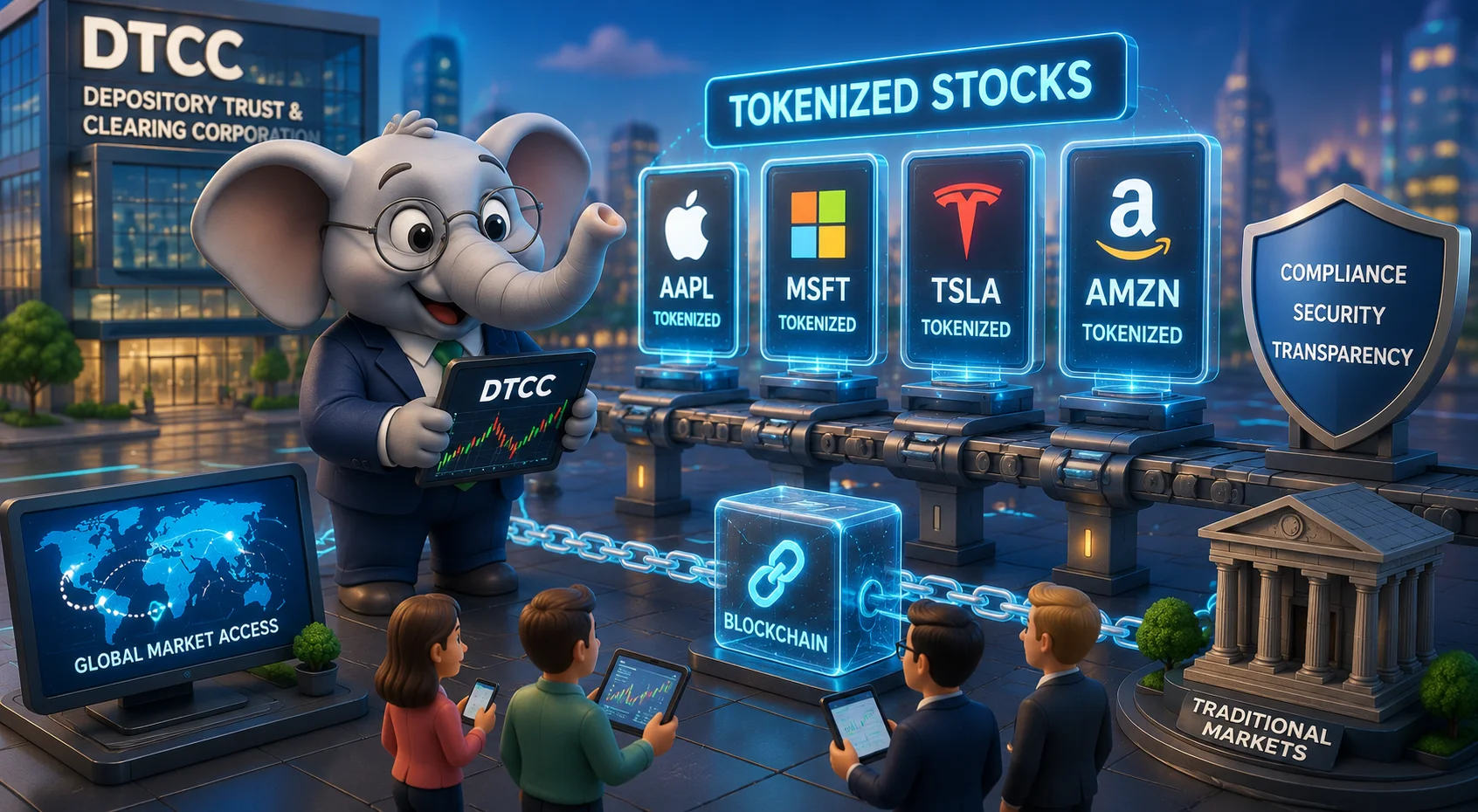

In 2026, DTCC’s (Depository Trust & Clearing Corporation) tokenized stock trades are redefining how traditional equities move on blockchain rails. By representing real-world stocks as regulated digital tokens, DTCC enables faster settlement, enhanced transparency, and broader market access for both institutional and retail investors. This new frontier for real-world asset tokenization is reshaping the global securities market, with compliance, security, and interoperability at its core.
What Are Tokenized Stocks? A 2026 Overview
Tokenized stocks are digital representations of traditional equities issued and settled on blockchain networks. Unlike synthetic assets or derivatives, tokenized stocks are backed 1:1 by real shares held in custody, ensuring that each token corresponds to an actual security. In 2026, the tokenized securities market has matured, with major financial institutions, including DTCC, leading the transition from legacy systems to blockchain-based settlement.
Tokenized stocks offer several advantages over traditional equities:
- 24/7 trading: Blockchain infrastructure allows for continuous trading outside legacy market hours.
- Fractional ownership: Investors can buy fractions of high-value stocks, lowering barriers to entry.
- Global accessibility: Anyone with a compliant wallet and KYC can access tokenized stocks, regardless of location.
- Instant settlement: Blockchain-based trades settle in minutes or seconds, reducing counterparty risk.
For a deeper dive into the fundamentals, see our guide on tokenized stocks explained.
Tokenized Stocks vs. Traditional Equities
Traditional equities are traded on centralized exchanges with T+2 settlement cycles and limited market hours. Tokenized stocks, by contrast, leverage blockchain for near-instant settlement, programmable compliance, and seamless cross-border transfers. While both represent ownership in real companies, tokenized stocks bring the flexibility and transparency of digital assets to the world of regulated securities.
DTCC’s Role in Tokenized Stock Trades
DTCC, the world’s largest post-trade financial services company, has been at the heart of U.S. securities clearing and settlement for decades. In 2026, DTCC has become a central player in the tokenization of real-world assets (RWAs), piloting and scaling blockchain solutions for equities, bonds, and other financial instruments.
DTCC’s tokenized stock initiative is not a speculative experiment—it’s a regulated, production-grade system designed for institutional scale. By integrating blockchain into its core infrastructure, DTCC enables the issuance, transfer, and settlement of tokenized securities with the same legal certainty as traditional assets.
DTCC’s Blockchain Integration: Key Milestones
- 2023-2026: Early pilots with private blockchains and permissioned networks.
- 2026: Launch of the first regulated tokenized stock settlement platform for select U.S. equities.
- 2026: Expansion to multi-asset tokenization, interoperability with public blockchains, and institutional adoption at scale.
DTCC’s partnerships with leading blockchain providers and custodians have enabled seamless integration with both traditional finance (TradFi) and decentralized finance (DeFi) ecosystems. The result: a new standard for secure, compliant, and efficient securities trading.
How Tokenized Stock Trading Works on Blockchain
Tokenized stock trading involves several key steps, all underpinned by blockchain technology:
- Issuance: DTCC or a licensed issuer creates digital tokens representing real shares, held in regulated custody.
- On-chain transfer: Investors trade tokens peer-to-peer or via compliant platforms, with transactions recorded on blockchain ledgers.
- Settlement: Smart contracts automate clearing and settlement, reducing operational risk and manual intervention.
- Redemption: Token holders can redeem tokens for underlying shares, subject to regulatory requirements and KYC/AML checks.
Platforms supporting DTCC’s tokenized stocks typically require users to complete identity verification and comply with securities regulations. For developers and institutions, APIs and SDKs enable integration with trading systems, custody solutions, and compliance tools.
Accessing Tokenized Stocks: Platforms and Tools
In 2026, both institutional and retail investors can access tokenized stocks through:
- DTCC-integrated brokerages and trading apps
- Compliant DeFi protocols with RWA support
- Custodial and non-custodial wallets with KYC/AML features
Developers can leverage open APIs to build new products around tokenized securities, from portfolio management tools to automated trading bots.
Still unsure about wallets, eligibility, or reward rules? Visit our FAQ page for quick answers before joining any new crypto campaign.
Benefits and Challenges for Investors and Traders
The tokenization of stocks brings significant benefits, but also introduces new challenges for market participants.
Opportunities for Institutional and Retail Investors
- Liquidity: Tokenized stocks can be traded globally, increasing market depth and reducing spreads.
- Programmable compliance: Smart contracts enforce regulatory rules, reducing manual errors and compliance costs.
- Portfolio diversification: Investors can combine traditional and digital assets in a single wallet.
- Access to new markets: Tokenization lowers barriers for emerging market equities and alternative assets.
For a broader perspective on institutional adoption, see our analysis of institutional crypto adoption.
Risks and Considerations for Crypto Traders
- Smart contract vulnerabilities: Bugs or exploits can lead to loss of funds or frozen assets.
- Regulatory uncertainty: Jurisdictional differences may affect access, taxation, and legal recourse.
- Custody risks: Not all platforms offer insured or segregated custody for tokenized stocks.
- Market volatility: Tokenized stocks may experience price dislocations during periods of high volatility or low liquidity.
For safety tips, review our crypto safety guide and stay informed about blockchain security best practices.
Regulatory Landscape for Tokenized Stocks in 2026
The regulation of tokenized stocks in 2026 is shaped by a combination of securities law, digital asset frameworks, and cross-border agreements. DTCC’s involvement ensures that tokenized equities comply with existing financial regulations, including:
- Know Your Customer (KYC) and Anti-Money Laundering (AML) requirements
- Investor protection rules and disclosure standards
- Custody and settlement regulations
- Tax reporting and compliance obligations
Regulators in the U.S., EU, and Asia-Pacific have issued updated guidance for tokenized securities, focusing on interoperability, investor safeguards, and systemic risk management. However, regulatory approaches still vary by jurisdiction, and market participants must stay abreast of evolving rules.
Security, Compliance, and Custody Solutions
DTCC’s tokenized stock infrastructure leverages advanced security protocols, including multi-signature wallets, hardware security modules, and real-time monitoring. Compliance is enforced through on-chain identity verification and programmable access controls. For custody, regulated institutions offer insured storage and robust disaster recovery plans.
For developers and institutions, integrating with DTCC’s APIs ensures compliance with both blockchain and traditional finance standards.
Airdrops and Incentives in the Tokenized Asset Space
While the primary focus of DTCC’s tokenized stock initiative is regulatory compliance and market efficiency, some platforms and protocols in the broader RWA ecosystem have experimented with airdrops and incentive programs. These may include:
- Rewarding early adopters of tokenized asset platforms
- Distributing governance tokens for participation in protocol governance
- Offering loyalty rewards for active trading or liquidity provision
However, airdrops for regulated tokenized stocks remain rare, as securities laws restrict the distribution of financial instruments to unqualified investors. Most incentives are limited to utility tokens or non-security rewards. For the latest updates, check our curated list of crypto airdrops 2026.
Upcoming Airdrops Linked to Tokenized Assets
Some DeFi protocols and RWA platforms have announced upcoming airdrops for users who provide liquidity or participate in governance. These are typically not tied directly to tokenized stocks, but rather to the broader ecosystem of tokenized real-world assets. Always verify eligibility and compliance before participating.
If you want reward-focused opportunities that involve tasks or activity, compare more earn crypto airdrops before choosing where to spend your time.
Future Trends: Tokenized Real-World Assets Beyond 2026
The success of DTCC’s tokenized stock trades is accelerating the tokenization of other real-world assets, including bonds, real estate, commodities, and alternative investments. Key trends to watch include:
- Cross-chain interoperability: Seamless transfers of tokenized assets across public and private blockchains.
- Programmable finance: Automated dividends, voting, and corporate actions via smart contracts.
- Global regulatory harmonization: Efforts to standardize tokenized asset frameworks across jurisdictions.
- Integration with DeFi: Use of tokenized stocks as collateral, yield-bearing assets, or composable primitives in decentralized protocols.
For a comprehensive look at the evolution of real-world asset tokenization, explore our feature on real-world asset tokenization.
How Developers Are Building on Tokenized Asset Protocols
Developers are at the forefront of this transformation, creating new protocols, APIs, and user interfaces for tokenized asset trading. Key areas of innovation include:
- Secure smart contract frameworks for asset issuance and settlement
- Compliant identity and KYC modules
- Cross-chain bridges and interoperability layers
- Analytics and risk management tools for tokenized portfolios
Open-source libraries and developer sandboxes are making it easier to experiment with tokenized securities, while institutional-grade APIs enable integration with existing trading and custody systems.
Case Studies: Institutional Adoption and Pilot Projects
Several major asset managers, banks, and trading firms have participated in DTCC’s tokenized stock pilots. These case studies highlight:
- Reduced settlement times and operational costs
- Improved transparency and auditability
- Enhanced liquidity and market access for global investors
- Challenges in integrating legacy systems with blockchain infrastructure
Institutions report that tokenized stocks enable more efficient collateral management, streamlined corporate actions, and new opportunities for structured products. However, they also emphasize the need for robust compliance, security, and interoperability standards.
Security Risks and User Safety in Tokenized Stock Trading
As with all blockchain-based assets, tokenized stocks carry unique security risks. Users should be aware of:
- Smart contract bugs: Even audited contracts can be vulnerable to exploits.
- Phishing and social engineering: Attackers may target users with fake platforms or wallet prompts.
- Custodial failures: Not all custodians offer the same level of insurance or segregation.
- Regulatory enforcement: Trading on unlicensed platforms can result in asset freezes or legal action.
To mitigate risks, always use regulated platforms, enable multi-factor authentication, and stay informed about crypto safety best practices.
Conclusion: The New Frontier for Crypto and Real-World Assets
DTCC’s tokenized stock trades in 2026 mark a pivotal moment for both traditional finance and the crypto industry. By bridging regulated securities with blockchain technology, DTCC is unlocking new efficiencies, expanding market access, and setting the stage for the next wave of real-world asset tokenization. For investors, traders, institutions, and developers, the opportunities are vast—but so are the challenges. Careful analysis, risk management, and ongoing education are essential as this new frontier continues to evolve.
Stay tuned for more in-depth coverage on tokenized assets, regulatory updates, and the future of blockchain-powered finance in our crypto guides and market analysis.
Helpful Crypto Resources
For deeper context, explore our crypto guides and market analysis. These resources can help you compare opportunities, understand market risks, and follow crypto trends more safely.
If you want to understand how eligibility, snapshots, claiming, and reward distribution usually work, start with our crypto airdrop guide before joining new campaigns.
DTCC’s Blockchain Infrastructure and Key Partnerships in 2026
DTCC’s successful rollout of tokenized stock trades in 2026 is underpinned by a robust blockchain infrastructure and a network of strategic partnerships. The organization leverages a hybrid blockchain model, combining permissioned chains for regulatory compliance with public chains for transparency and interoperability. DTCC’s core settlement layer is built on a consortium blockchain, enabling secure, high-throughput processing of tokenized securities while maintaining strict access controls for regulated participants.
- Consortium Blockchain: DTCC collaborates with major banks, custodians, and technology providers to operate a permissioned ledger for primary issuance and settlement.
- Public Blockchain Bridges: Tokenized stocks can be wrapped and transferred onto leading public blockchains, such as Ethereum and Avalanche, through audited smart contracts and cross-chain bridges.
- Integration Partners: DTCC has partnered with fintech firms, custodians, and compliance providers to ensure seamless onboarding, KYC/AML checks, and interoperability with existing trading platforms.
This infrastructure supports both institutional and retail access, while ensuring that all tokenized securities remain fully backed and compliant with evolving regulations.
How to Buy and Trade Tokenized Stocks: Step-by-Step Guide
For investors new to tokenized stocks, participating in DTCC’s ecosystem is straightforward. Here’s a step-by-step overview of the process in 2026:
- Choose a Compliant Platform: Select a regulated exchange or broker that supports DTCC tokenized stocks. Popular platforms include both centralized exchanges and decentralized applications (dApps) with integrated KYC.
- Complete Onboarding: Go through identity verification (KYC/AML) as required by the platform and DTCC’s compliance protocols.
- Fund Your Account: Deposit fiat or cryptocurrency (such as USDC or ETH) into your trading account or connected wallet.
- Browse Available Tokenized Stocks: Access the marketplace to view supported equities, including blue-chip stocks, ETFs, and select international listings.
- Place Your Order: Buy whole or fractional shares of tokenized stocks. Orders are matched and settled on-chain, typically within seconds to minutes.
- Manage and Trade: Hold, transfer, or trade your tokenized stocks directly from your wallet. Some platforms also offer staking, lending, or participation in governance related to tokenized assets.
For more on safe trading practices, see our crypto safety guide.
Tokenized Stocks vs. Synthetic Assets and ETFs
| Feature | Tokenized Stocks | Synthetic Assets | ETFs |
|---|---|---|---|
| Backing | 1:1 with real shares held in custody | Derivatives, not directly backed by shares | Basket of assets held by fund |
| Settlement | On-chain, near-instant | On-chain, synthetic exposure | T+2 or T+1 (legacy systems) |
| Regulation | Regulated as securities | Often unregulated or less regulated | Regulated as funds |
| Ownership Rights | Full shareholder rights | No direct rights | Fundholder rights |
| Accessibility | Global, 24/7 | Global, 24/7 | Market hours only |
This comparison highlights why DTCC’s tokenized stocks are positioned as a secure and regulated bridge between traditional finance and crypto-native markets.
Regulatory Updates and Compliance for Tokenized Securities in 2026
Regulation has been a critical factor in the mainstream adoption of tokenized stocks. In 2026, DTCC operates under a comprehensive regulatory framework developed in collaboration with the SEC, CFTC, and global counterparts. Key compliance features include:
- Real-Time KYC/AML: Automated identity checks at both onboarding and transaction levels.
- On-Chain Compliance: Smart contracts enforce transfer restrictions, whitelisting, and reporting requirements.
- Auditability: All tokenized stock transactions are fully auditable by regulators and authorized parties, ensuring transparency and investor protection.
- Cross-Border Coordination: DTCC’s framework supports interoperability with EU, UK, and APAC regulatory regimes, facilitating global trading of tokenized securities.
For developers and institutions, compliance APIs and SDKs are available to streamline integration with DTCC’s tokenized asset protocols.
Case Studies: Institutional Adoption and Pilot Projects
Several high-profile pilot projects have demonstrated the benefits of DTCC’s tokenized stock infrastructure:
- Global Bank Consortium: A group of Tier 1 banks executed cross-border tokenized equity trades, reducing settlement times from days to minutes and lowering operational costs by over 30%.
- Asset Manager Integration: Leading asset managers have launched tokenized funds, allowing investors to hold fractional shares of global portfolios with real-time NAV updates and on-chain governance.
- Retail Broker Rollout: Major retail brokers now offer tokenized stocks alongside traditional equities, expanding access to underserved markets and enabling 24/7 trading for millions of users.
These pilots underscore the growing confidence in blockchain for institutional trading and the accelerating shift toward real-world asset tokenization.
Risks and Considerations for Crypto Traders
While DTCC’s tokenized stock trades offer significant advantages, investors and traders should be aware of key risks:
- Smart Contract Vulnerabilities: Although contracts are audited, bugs or exploits can lead to loss of funds or asset freezes.
- Regulatory Changes: Evolving regulations may impact access, trading, or custody of tokenized stocks in certain jurisdictions.
- Market Volatility: Tokenized stocks can experience price swings, especially when bridged to public blockchains with lower liquidity.
- Custodial Risk: The safety of underlying shares depends on the integrity of custodians and the DTCC’s operational security.
For best practices on managing these risks, refer to our crypto safety guide.
 Kryvora Network
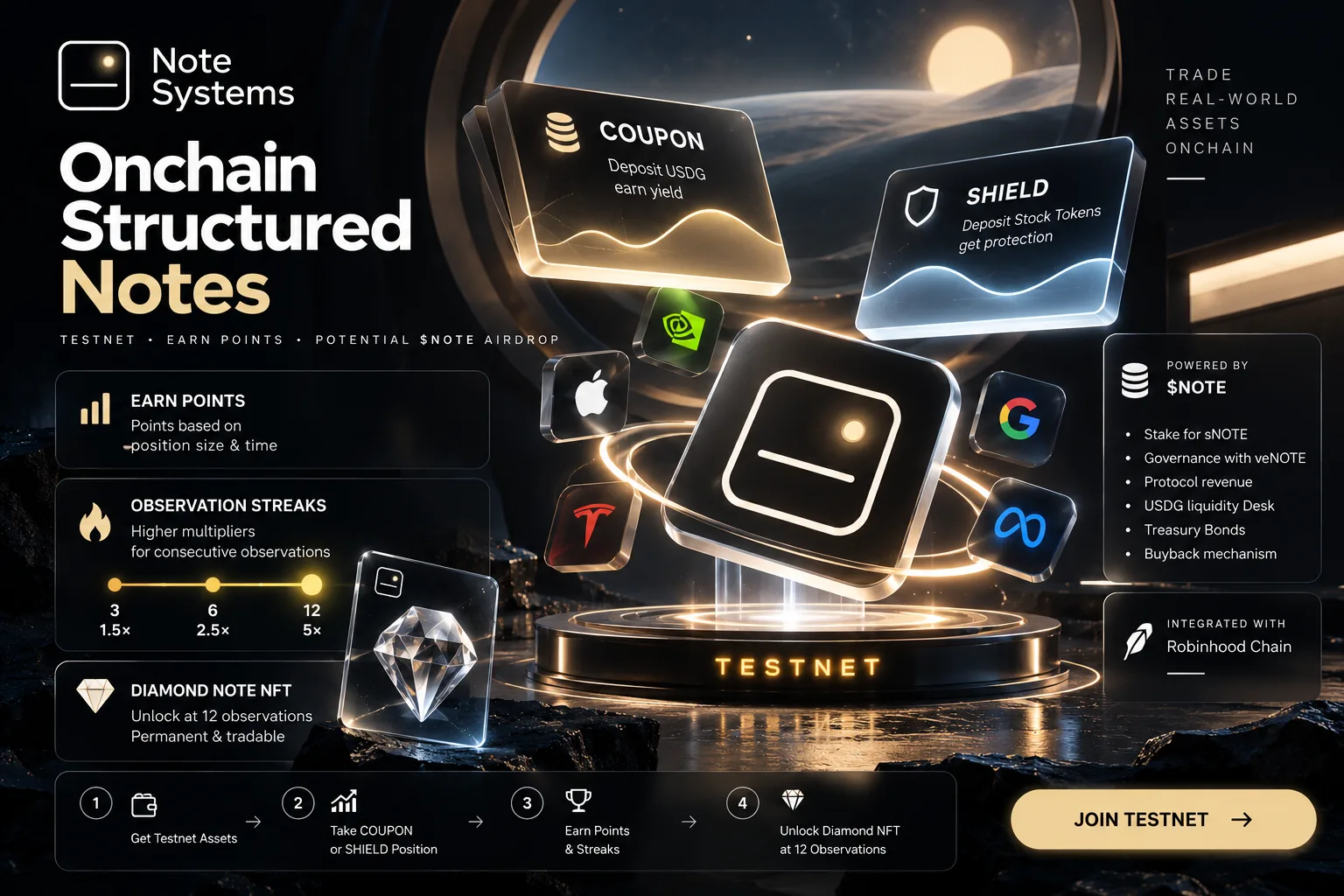
 Note Systems
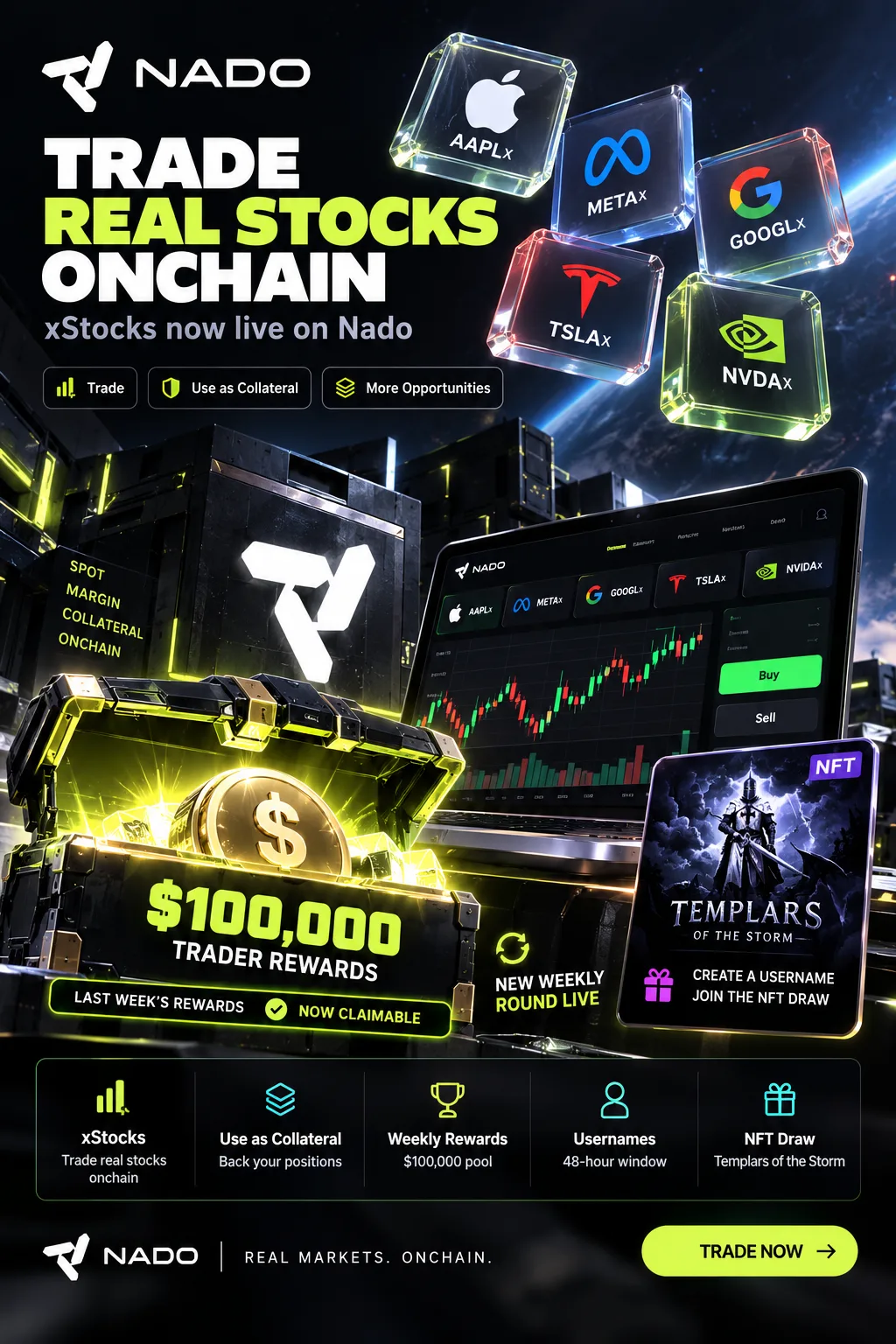
 Nado
Nado
Upcoming Airdrops and Incentives for Tokenized Stock Holders
In 2026, airdrops and incentive programs have become a popular way to reward early adopters and active participants in the tokenized asset space. DTCC and its partners have announced several initiatives:
- Platform Loyalty Airdrops: Users who trade or hold tokenized stocks on select platforms are eligible for periodic airdrops of governance tokens or fee discounts. See the latest crypto airdrops for current opportunities.
- Developer Grants: Builders integrating DTCC tokenized securities APIs may receive airdropped tokens or funding to support ecosystem growth.
- Governance Participation: Token holders can participate in on-chain governance, with rewards distributed for voting or contributing to protocol upgrades.
Always verify eligibility and security of airdrop campaigns to avoid phishing or scams.
Key Takeaways
- DTCC’s tokenized stock trades in 2026 are transforming both crypto and traditional markets by enabling regulated, on-chain equity trading.
- The infrastructure combines permissioned and public blockchains, ensuring compliance, security, and global accessibility.
- Investors benefit from instant settlement, fractional ownership, and new incentive models such as airdrops.
- Risks remain, particularly around smart contract security and regulatory shifts, so due diligence is essential.
Frequently Asked Questions (FAQ)
- How does DTCC ensure the security of tokenized stock trades?
DTCC employs multi-layered security, including audited smart contracts, institutional-grade custody, and real-time monitoring. Regular third-party audits and compliance checks further mitigate risks. - Can retail investors access tokenized stocks in 2026?
Yes, most regulated platforms now support retail access to tokenized stocks, provided users complete standard KYC/AML procedures. - What are the tax implications of trading tokenized stocks?
Tax treatment varies by jurisdiction, but tokenized stocks are generally taxed similarly to traditional equities. Consult a tax professional for specific guidance. - Which blockchains are used for DTCC tokenized securities?
DTCC’s core settlement occurs on a consortium blockchain, with bridges to public chains like Ethereum and Avalanche for broader access. - How do tokenized stocks impact traditional stock markets?
They increase market efficiency, reduce settlement times, and expand access, but also introduce new considerations for market structure and regulation. - Are there any upcoming airdrops for tokenized stock holders?
Yes, several platforms offer airdrops and incentives. Check the latest crypto airdrops page for updates. - What should developers know about building on tokenized asset protocols?
DTCC provides APIs and SDKs for integration, with extensive documentation and compliance tools to ensure secure and regulated development.
Helpful Crypto Resources
For deeper context, explore our crypto guides and market analysis. These resources can help you compare opportunities, understand market risks, and follow crypto trends more safely.
Helpful Crypto Resources
For deeper context, explore our crypto guides and market analysis. These resources can help you compare opportunities, understand market risks, and follow crypto trends more safely.
Helpful Crypto Resources
For deeper context, explore our crypto guides and market analysis. These resources can help you compare opportunities, understand market risks, and follow crypto trends more safely.


 Gaming Platforms
 Crypto Casinos
 Blockchain Bridges
 Staking & Restaking
 DEX Token Swapping
 Crypto Wallets