
 BTC
BTC
 ETH
ETH
 USDT
USDT
 BNB
BNB
 XRP
XRP
 USDC
USDC
 SOL
SOL
 TRX
TRX
 ZEC
ZEC
 FIGR_HELOC
 HYPE
HYPE
 DOGE
DOGE
 LINK
LINK
 XMR
XMR
 WBT
WBT
 USDS
USDS
 ADA
ADA
 RAIN
RAIN
 LEO
LEO
 XLM
XLM
 NEAR
NEAR
 BCH
BCH
 UNI
UNI
 LTC
LTC
 CC
CC
 SUI
SUI
 USDE
USDE
 AVAX
AVAX
 GRAM
GRAM
 DAI
DAI
 USD1
USD1
 HBAR
HBAR
 QNT
QNT
 TAO
TAO
 SHIB
SHIB
 CRO
CRO
 BTW
BTW
 USDG
USDG
 PYUSD
PYUSD
 ONDO
ONDO
 ENA
ENA
 M
M
 XAUT
XAUT
 OKB
OKB
 RLUSD
RLUSD
 USYC
USYC
 AAVE
AAVE
 PUMP
PUMP
 BUIDL
BUIDL
 USDY
USDY
 MNT
MNT
 DOT
DOT
 WLD
WLD
 ASTER
ASTER
 SKY
SKY
 MORPHO
 WLFI
WLFI
 PAXG
PAXG
 PEPE
PEPE
 ICP
ICP
 USDD
USDD
 ARB
ARB
 HTX
HTX
 ETC
ETC
 EURSAFO
 U
U
 BGB
BGB
 VVV
VVV
 USDGO
USDGO
 USDF
USDF
 BFUSD
BFUSD
 KAS
KAS
 POL
POL
 JUP
JUP
 GT
GT
 LIT
LIT
 ALGO
ALGO
 RENDER
 CAKE
CAKE
 JST
JST
 PI
PI
 KCS
KCS
 ATOM
ATOM
 BCAP
BCAP
 FIL
FIL
 DASH
DASH
 NEXO
NEXO
 AERO
AERO
 VET
VET
 INJ
INJ
 USTB
USTB
 APT
APT
 EUTBL
EUTBL
 STABLE
 GHO
GHO
 ETHFI
ETHFI
 XDC
XDC
 AKE
AKE
 PYTH
PYTH
 PENGU
PENGU
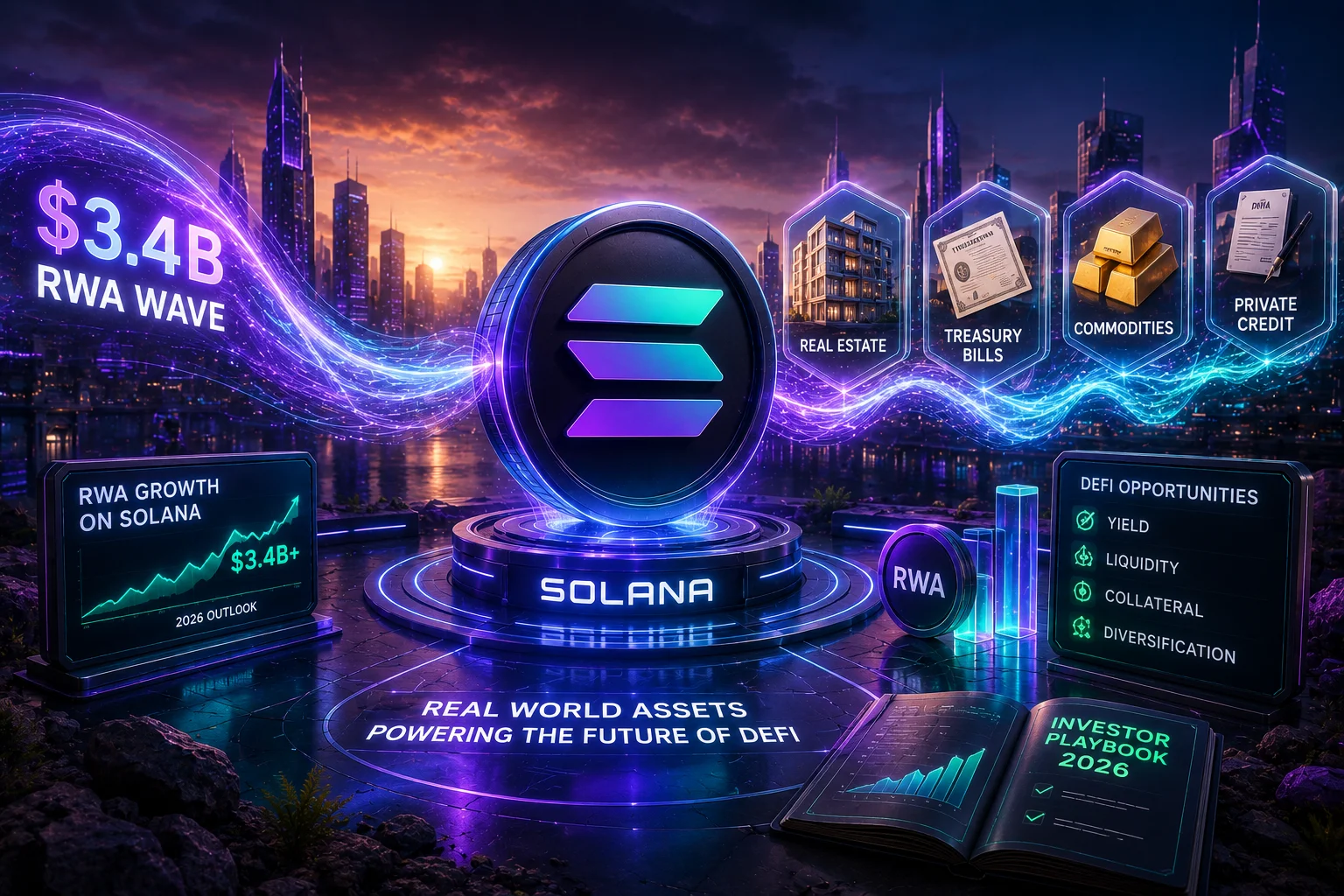

In 2026, Solana’s $3.4 billion surge in real world assets (RWAs) marks a pivotal moment for the blockchain’s DeFi ecosystem. This rapid growth is fueled by institutional adoption, innovative tokenization protocols, and new airdrop incentives. For investors, Solana’s RWA expansion offers diversified yield opportunities and exposure to tangible assets, while developers benefit from robust infrastructure and tooling. However, participants should carefully assess regulatory, security, and liquidity risks before engaging with Solana’s RWA ecosystem.
What Are Real World Assets (RWAs) on Solana? A 2026 Primer
Real world assets (RWAs) refer to tangible or off-chain assets—such as real estate, commodities, invoices, private credit, and even fine art—that are tokenized and represented on a blockchain. On Solana, RWAs are digitized through smart contracts, enabling these traditionally illiquid assets to be traded, staked, or used as collateral within decentralized finance (DeFi) protocols.
Solana’s high throughput and low transaction costs have made it a preferred chain for RWA tokenization in 2026. Unlike earlier years, when Ethereum dominated the RWA narrative, Solana’s ecosystem now features a growing array of protocols that bridge the gap between traditional finance and DeFi. This evolution has opened new doors for investors, institutions, and developers seeking exposure to real-world value on-chain.
How RWA Tokenization Works on Solana
Tokenization on Solana involves issuing blockchain-based tokens that represent ownership or claims on real-world assets. These tokens are backed by legal agreements and, in many cases, custodial arrangements with regulated entities. The process typically includes:
- Asset origination and legal structuring
- On-chain token issuance using Solana smart contracts
- Integration with DeFi protocols for trading, lending, or staking
- Ongoing compliance and reporting mechanisms
This approach brings transparency, programmability, and global liquidity to assets that were previously siloed in traditional markets.
The Drivers Behind Solana’s $3.4B RWA Surge in 2026
Solana’s RWA market capitalization has soared to $3.4 billion in 2026, reflecting a confluence of factors:
- Institutional Adoption: Major asset managers and fintech firms have launched tokenized funds and credit products on Solana, attracted by its scalability and developer ecosystem.
- Innovative Protocols: New RWA-focused DeFi platforms have emerged, offering seamless onboarding for both asset originators and investors.
- Regulatory Clarity: Jurisdictions with progressive digital asset frameworks have enabled compliant RWA issuance, reducing legal uncertainty for participants.
- Yield Opportunities: As DeFi yields on crypto-native assets compressed, investors turned to RWAs for diversified returns and lower volatility.
- Points and Reward Programs: Some RWA protocols have incentivized early users with points campaigns and airdrops, further accelerating adoption.
These drivers have positioned Solana as a leading hub for RWA innovation, challenging Ethereum and other chains for market share in this fast-evolving sector.
Impact of Solana’s RWA Growth on DeFi Protocols
The integration of RWAs into Solana’s DeFi ecosystem has reshaped lending, trading, and yield strategies in 2026. Key impacts include:
- Collateral Expansion: DeFi protocols now accept tokenized real estate, private credit, and other RWAs as collateral, unlocking new liquidity sources.
- Stable Yield Products: RWA-backed stablecoins and yield vaults offer returns less correlated with crypto market cycles, appealing to risk-averse investors.
- Cross-Chain Bridges: Interoperability solutions enable Solana-based RWAs to be used in multi-chain DeFi strategies, broadening their utility.
- Risk Management: Protocols have developed new risk assessment frameworks for off-chain assets, balancing transparency with regulatory compliance.
This evolution has attracted both retail and institutional capital, driving up total value locked (TVL) and fostering a more resilient DeFi landscape on Solana.
If you prefer curated opportunities instead of browsing everything manually, check our featured airdrops and compare higher-signal campaigns first.
Top Solana RWA Protocols to Watch in 2026
Several protocols have emerged as leaders in Solana’s RWA space:
- Credix: Specializes in tokenized private credit and invoice financing, offering institutional-grade yield products.
- Parcl: Focuses on real estate derivatives and synthetic property exposure, enabling users to trade real estate indices on-chain.
- Ondo Finance: Provides tokenized US Treasuries and fixed-income products, bridging traditional and DeFi markets.
- Maple Solana: Offers on-chain lending to institutional borrowers, with RWA-backed loan pools.
These protocols, among others, are driving innovation and setting standards for security, compliance, and user experience in the RWA sector.
Airdrop Opportunities from Solana RWA Projects in 2026
While not every RWA protocol on Solana offers airdrops, some have launched points campaigns and reward programs to incentivize early participation. These initiatives often reward users who provide liquidity, stake RWA tokens, or participate in governance. However, eligibility criteria and distribution mechanisms vary widely.
Investors interested in potential airdrops should:
- Monitor official announcements from RWA protocols
- Engage with platforms offering points or rewards for active participation
- Review eligibility requirements and timelines carefully
For the latest updates on Solana airdrop opportunities, users can refer to the latest crypto airdrops page. As always, caution is advised—never interact with unofficial links or suspicious offers, and consult the crypto safety guide before participating in any campaign.
Best Practices for Participating in Solana RWA Airdrops
To maximize safety and potential rewards, users should:
- Use reputable wallets and double-check contract addresses
- Stay informed via official project channels
- Avoid sharing private keys or sensitive information
- Be wary of phishing attempts and scams targeting airdrop participants
Remember, airdrops are not guaranteed and may be subject to regulatory restrictions in certain jurisdictions.
Investor Strategies for Navigating Solana’s RWA Ecosystem
Solana’s RWA surge has introduced new strategies for both retail and institutional investors in 2026. Key approaches include:
- Diversification: Allocating a portion of portfolios to RWA-backed tokens for exposure to non-crypto assets.
- Yield Farming: Providing liquidity to RWA pools or staking RWA tokens to earn stable yields.
- Collateralized Lending: Using RWA tokens as collateral for borrowing or leveraging positions within DeFi protocols.
- Trading Strategies: Arbitraging price discrepancies between RWA tokens and their underlying assets, or between Solana and other chains.
Investors should conduct thorough due diligence on underlying assets, protocol security, and legal structures. It’s crucial to understand the redemption process, liquidity constraints, and potential regulatory implications before committing capital.
Yield Farming and Staking with Solana RWAs
Yield opportunities in Solana’s RWA sector often come from:
- Staking RWA tokens in protocol vaults
- Providing liquidity to RWA-asset pools
- Participating in structured products or fixed-income offerings
While yields can be attractive, they are not risk-free. Investors should monitor smart contract audits, counterparty risk, and market volatility.
Institutional Adoption and Regulatory Considerations in 2026
Institutional engagement has been a major catalyst for Solana’s RWA growth. Asset managers, private credit funds, and fintech firms are leveraging Solana’s infrastructure to issue and manage tokenized assets at scale. This has led to:
- Increased Liquidity: Institutional-grade products attract larger pools of capital, improving market depth.
- Enhanced Compliance: Many protocols now integrate KYC/AML procedures and work with regulated custodians.
- New Market Entrants: Traditional finance players are exploring on-chain RWA issuance, driving further innovation.
However, regulatory clarity remains a work in progress. Jurisdictions differ in their treatment of tokenized assets, and ongoing dialogue with regulators is essential. Participants should stay informed about evolving legal frameworks and ensure compliance with local laws.
If this opportunity involves trading, deposits, or exchange activity, review our crypto trading guide for beginners to understand fees, risk control, and safer decision-making.
Security and Compliance Challenges
Security and compliance are top priorities for RWA protocols. Key challenges include:
- Ensuring legal enforceability of on-chain claims
- Maintaining transparency in asset custody and valuation
- Implementing robust smart contract audits
- Adhering to global KYC/AML standards
Users and institutions should prioritize platforms with transparent governance, regular audits, and clear legal documentation.
Developer Tools and Building on Solana’s RWA Infrastructure
Solana’s developer ecosystem has matured significantly, offering a range of tools and resources for building RWA projects in 2026. Key resources include:
- Solana Program Library (SPL): Standardized smart contract modules for token issuance and management.
- SDKs and APIs: Developer kits for integrating off-chain data, compliance checks, and asset verification.
- Oracles: Reliable data feeds for asset pricing and event triggers.
- Compliance Modules: Plug-and-play solutions for KYC/AML integration.
Developers interested in entering the Solana RWA space can find more information and tutorials in the crypto guides and market analysis section and should always follow best practices for security and compliance.
Resources for Developers Entering the Solana RWA Space
To accelerate development, teams can leverage:
- Open-source RWA protocol templates
- Community grants and hackathons
- Technical documentation and support forums
- Partnerships with legal and compliance advisors
Building in the RWA sector requires multidisciplinary expertise—combining blockchain engineering, legal structuring, and financial modeling.
Liquidity, Security, and Risk Management for Solana RWAs
Despite the promise of RWAs, risks remain. Key considerations for participants include:
- Liquidity Risk: Some RWA tokens may have limited secondary market trading, making exits challenging during volatile periods.
- Counterparty Risk: The value of RWA tokens depends on the solvency and integrity of off-chain asset managers and custodians.
- Smart Contract Risk: Bugs or vulnerabilities in protocol code could lead to loss of funds or asset mismanagement.
- Regulatory Risk: Changes in legal frameworks could impact the enforceability or legality of certain RWA products.
Users should diversify across protocols, monitor audit reports, and stay updated on regulatory developments. For practical tips, consult the crypto safety guide.
Future Outlook: Solana RWAs and the Broader Crypto Market
Looking ahead, Solana’s RWA sector is poised for continued growth and innovation. Analysts expect:
- Expansion into new asset classes, including carbon credits, royalties, and infrastructure financing
- Greater interoperability with other chains and traditional financial systems
- Enhanced on-chain analytics and transparency tools for RWA investors
- Broader adoption by both retail and institutional users seeking stable, real-world yields
However, the pace of adoption will depend on regulatory clarity, market education, and the continued evolution of secure, user-friendly protocols. As the RWA narrative matures, Solana’s role as a bridge between traditional and decentralized finance is likely to strengthen—offering new opportunities and challenges for the entire crypto ecosystem.
For ongoing coverage of Solana’s RWA sector, DeFi trends, and airdrop developments, visit our crypto guides and market analysis section.
If you want to understand how eligibility, snapshots, claiming, and reward distribution usually work, start with our crypto airdrop guide before joining new campaigns.
The Drivers Behind Solana’s $3.4B RWA Surge in 2026
Solana’s explosive $3.4 billion real world asset (RWA) surge in 2026 is the result of several converging trends. Key drivers include:
- Institutional Adoption: Major financial institutions and asset managers have begun leveraging Solana’s high-speed, low-cost infrastructure to tokenize and manage real estate, private credit, and commodities. This shift has brought significant liquidity and credibility to Solana’s DeFi ecosystem.
- Innovative RWA Protocols: Protocols such as Parcl, Credix, and Realio have pioneered new models for on-chain asset management, offering streamlined onboarding for both asset originators and investors.
- Regulatory Clarity: Improved regulatory frameworks in key jurisdictions have provided legal certainty for tokenized assets, encouraging broader participation from both retail and institutional players.
- Enhanced Developer Tooling: The launch of robust SDKs and APIs has lowered the barrier for developers to build, audit, and deploy RWA integrations on Solana.
Impact of Solana’s RWA Growth on DeFi Protocols
The integration of RWAs has fundamentally transformed Solana’s DeFi landscape. Protocols now offer diversified collateral options, enabling users to borrow and lend against tokenized real estate, invoices, and other off-chain assets. This has led to:
- Increased Total Value Locked (TVL): RWA-backed assets have contributed to a significant rise in TVL across Solana DeFi platforms.
- New Yield Opportunities: Investors can now access yield streams from real-world sources, such as rental income or invoice factoring, in addition to traditional crypto-native yields.
- Improved Risk Profiles: By diversifying collateral types, DeFi protocols reduce their exposure to crypto market volatility.
For a deeper dive into DeFi project performance, check out our DeFi project reviews.
Airdrop Opportunities from Solana RWA Projects in 2026
Many Solana RWA protocols have launched airdrop campaigns to incentivize early adopters and liquidity providers. These airdrops often reward users who:
- Provide liquidity to RWA pools
- Stake or lock RWA tokens
- Participate in governance or protocol testing
Notable RWA airdrops in 2026 include those from Parcl, which distributed tokens to users who staked real estate-backed assets, and Credix, rewarding participants in private credit pools. To maximize your eligibility, follow official protocol channels and consult our guide on how to claim airdrops. For the latest opportunities, visit our latest crypto airdrops page.
Investor Strategies for Navigating Solana’s RWA Ecosystem
With the rapid expansion of Solana RWAs, investors are adopting new strategies to optimize returns and manage risk:
- Diversification: Allocating capital across multiple RWA protocols and asset classes (e.g., real estate, commodities, private credit) helps mitigate protocol-specific and asset-specific risks.
- Yield Farming: Engaging in RWA-backed yield farming and staking pools can provide stable, real-world sourced returns.
- Due Diligence: Assessing the underlying asset quality, legal structure, and protocol security is crucial before committing funds.
- Liquidity Management: Monitoring secondary market liquidity for RWA tokens ensures investors can exit positions when needed.
For more on building a robust crypto portfolio, explore our crypto investor strategies guide.
 Kryvora Network
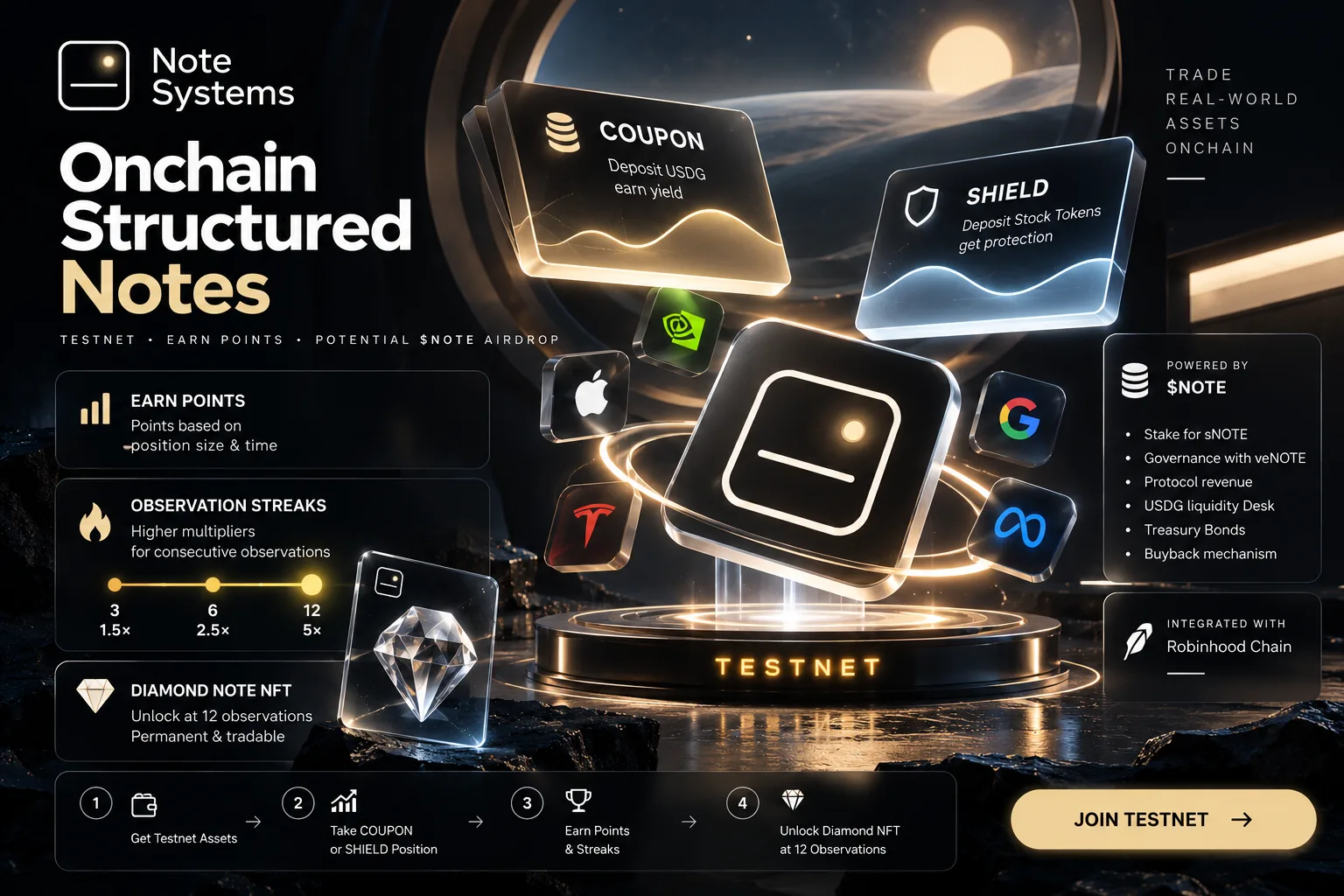
 Note Systems
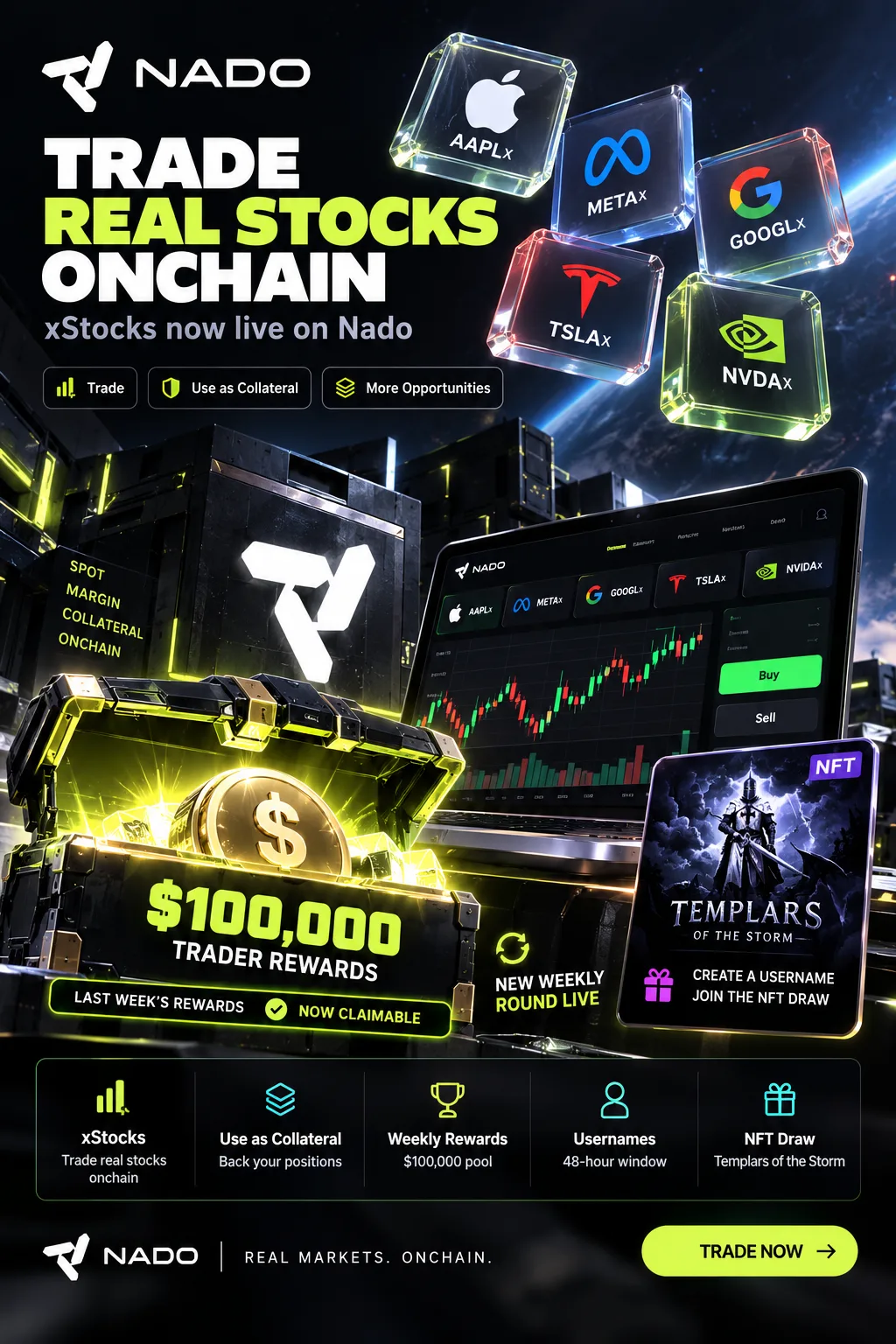
 Nado
Nado
Institutional Adoption and Regulatory Considerations
Institutional participation in Solana’s RWA ecosystem has accelerated in 2026, driven by:
- On-chain Transparency: Solana’s blockchain provides auditable records for asset provenance and transaction history.
- Regulatory Compliance: Many RWA protocols now integrate KYC/AML checks and adhere to jurisdictional requirements, making them accessible to regulated entities.
- Custody Solutions: Institutional-grade custody providers have expanded support for Solana-based RWAs, further lowering operational barriers.
However, regulatory landscapes remain dynamic. Investors and institutions should stay informed about evolving compliance standards and consult legal professionals where necessary. For security best practices, refer to our crypto safety guide.
Solana RWA Protocols: Security and Compliance Challenges
While Solana’s RWA protocols offer compelling opportunities, they also introduce unique risks:
- Smart Contract Vulnerabilities: As with any DeFi protocol, bugs or exploits in RWA smart contracts can lead to asset loss.
- Custodial Risks: Many RWAs rely on off-chain custodians or legal entities to manage underlying assets. Counterparty risk and operational failures are important considerations.
- Regulatory Uncertainty: Changes in legal frameworks or enforcement actions can impact the tradability or legality of certain RWA tokens.
- Liquidity Constraints: Some RWA tokens may have limited secondary market liquidity, making it difficult to exit positions quickly.
Conducting thorough due diligence and using audited protocols are essential steps for risk mitigation.
Key Takeaways for Solana RWA Participants in 2026
- Solana’s $3.4B RWA surge is reshaping DeFi, offering new yield and diversification opportunities.
- Institutional adoption and improved regulatory clarity are driving ecosystem growth.
- Investors should prioritize due diligence, risk management, and stay updated on compliance trends.
- Developers benefit from advanced tooling and a supportive infrastructure for RWA integrations.
- Stay alert for airdrop opportunities and evolving protocol incentives.
Frequently Asked Questions (FAQ)
- How do real world assets work on Solana?
RWAs are tokenized representations of off-chain assets, managed via smart contracts and often backed by legal agreements and custodians. These tokens can be traded, staked, or used as collateral within Solana’s DeFi protocols. - What are the top Solana RWA projects in 2026?
Leading projects include Parcl (real estate), Credix (private credit), and Realio (multi-asset tokenization), each offering unique approaches to on-chain asset management. - Are Solana RWA airdrops safe for beginners?
While many airdrops are legitimate, users should verify official sources, avoid phishing attempts, and never share private keys. See our crypto safety guide for tips. - What should investors know before participating in Solana RWAs?
Understand the underlying asset, protocol security, regulatory status, and liquidity conditions before investing. - How can institutions leverage Solana’s RWA protocols?
Institutions can tokenize assets, access new liquidity pools, and offer innovative financial products by integrating with compliant Solana RWA platforms. - What developer tools are available for Solana RWA integration?
Solana offers comprehensive SDKs, APIs, and documentation for building and auditing RWA protocols. Explore official resources and community forums for support. - What are the main risks of Solana RWAs in 2026?
Risks include smart contract vulnerabilities, custodial failures, regulatory shifts, and liquidity constraints. Diligence and risk management are essential.
Helpful Crypto Resources From Airdrop Hot List
To continue your research safely, explore our crypto guides and market analysis. These resources can help you compare opportunities, learn market basics, and avoid common crypto risks.



 Gaming Platforms
 Crypto Casinos
 Blockchain Bridges
 Staking & Restaking
 DEX Token Swapping
 Crypto Wallets