
 BTC
BTC
 ETH
ETH
 USDT
USDT
 BNB
BNB
 XRP
XRP
 USDC
USDC
 SOL
SOL
 TRX
TRX
 ZEC
ZEC
 FIGR_HELOC
 HYPE
HYPE
 DOGE
DOGE
 LINK
LINK
 XMR
XMR
 WBT
WBT
 USDS
USDS
 ADA
ADA
 RAIN
RAIN
 LEO
LEO
 XLM
XLM
 NEAR
NEAR
 BCH
BCH
 UNI
UNI
 LTC
LTC
 CC
CC
 SUI
SUI
 USDE
USDE
 AVAX
AVAX
 DAI
DAI
 GRAM
GRAM
 USD1
USD1
 HBAR
HBAR
 TAO
TAO
 SHIB
SHIB
 CRO
CRO
 BTW
BTW
 USDG
USDG
 ENA
ENA
 QNT
QNT
 PYUSD
PYUSD
 M
M
 ONDO
ONDO
 XAUT
XAUT
 OKB
OKB
 RLUSD
RLUSD
 USYC
USYC
 AAVE
AAVE
 PUMP
PUMP
 BUIDL
BUIDL
 USDY
USDY
 MNT
MNT
 DOT
DOT
 WLD
WLD
 ASTER
ASTER
 MORPHO
 SKY
SKY
 PAXG
PAXG
 WLFI
WLFI
 PEPE
PEPE
 ICP
ICP
 USDD
USDD
 ARB
ARB
 HTX
HTX
 ETC
ETC
 EURSAFO
 U
U
 VVV
VVV
 BGB
BGB
 USDGO
USDGO
 USDF
USDF
 KAS
KAS
 BFUSD
BFUSD
 POL
POL
 GT
GT
 LIT
LIT
 JUP
JUP
 ALGO
ALGO
 RENDER
 JST
JST
 PI
PI
 KCS
KCS
 ATOM
ATOM
 BCAP
BCAP
 FIL
FIL
 CAKE
CAKE
 NEXO
NEXO
 DASH
DASH
 AERO
AERO
 VET
VET
 INJ
INJ
 USTB
USTB
 EUTBL
EUTBL
 APT
APT
 STABLE
 AKE
AKE
 GHO
GHO
 ETHFI
ETHFI
 PYTH
PYTH
 XDC
XDC
 STX
STX
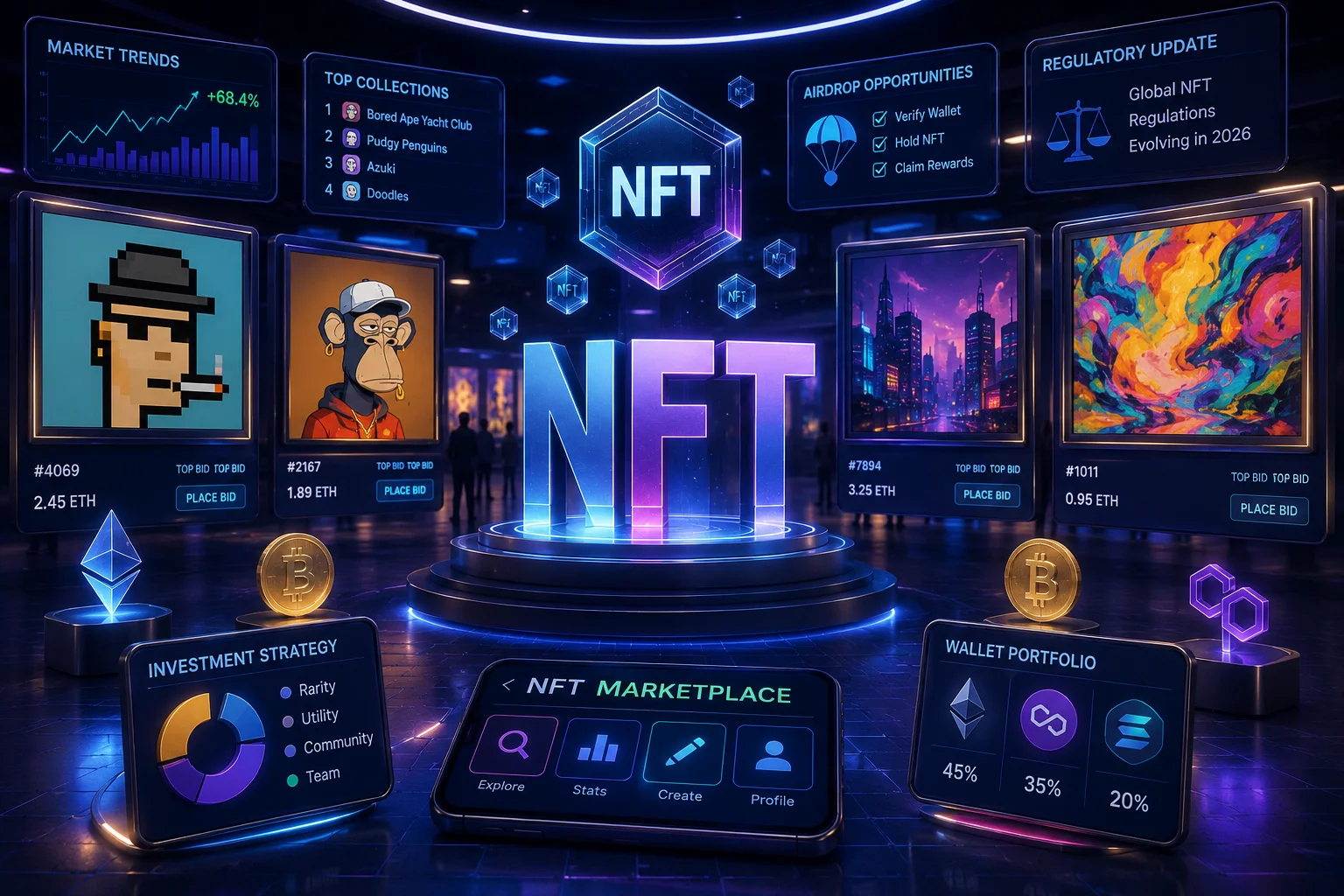

In 2026, NFT articles focus on the rapidly evolving landscape of non-fungible tokens, highlighting major trends, airdrop opportunities, investment strategies, and regulatory changes. This comprehensive guide explores how the NFT market has matured, the rise of institutional adoption, the latest tools for developers, and actionable insights for investors and traders. Whether you're a crypto investor, asset manager, developer, or Web3 user, understanding the dynamics of NFTs in 2026 is essential for navigating this innovative sector.
NFT Market Overview 2026: Growth, Maturity, and New Directions
The NFT market in 2026 has moved far beyond its early days of digital art and collectibles. Today, NFTs represent a diverse array of digital and real-world assets, from tokenized real estate and intellectual property rights to gaming items and financial instruments. The sector has seen significant capital inflows, increased regulatory scrutiny, and a wave of institutional participation. Trading volumes remain robust, with leading blockchains like Ethereum, Solana, and emerging Layer 2 solutions driving innovation and scalability.
Key NFT market statistics for 2026 reveal:
- Continued growth in unique NFT wallets and active users across major platforms.
- Rising transaction volumes on both primary and secondary NFT marketplaces.
- Expansion of NFT use cases into enterprise, DeFi, and real-world asset (RWA) tokenization.
- Increased focus on interoperability and cross-chain NFT standards.
While speculative trading still plays a role, the NFT ecosystem now emphasizes utility, ownership, and integration with broader crypto markets.
Top NFT Trends to Watch in 2026: Beyond Art and Collectibles
Several key trends are shaping the NFT landscape in 2026, reflecting both technological advances and shifting market demands:
- Tokenization of Real-World Assets (RWAs): NFTs are increasingly used to represent ownership of physical assets, including real estate, luxury goods, and intellectual property. This trend is attracting institutional investors seeking exposure to new asset classes.
- Enterprise and Institutional Adoption: Corporations and asset managers are leveraging NFTs for supply chain tracking, compliance, and digital identity solutions.
- Dynamic and Programmable NFTs: New standards allow NFTs to evolve over time, unlocking use cases in gaming, loyalty programs, and financial derivatives.
- Interoperability and Cross-Chain Solutions: Projects are focused on making NFTs transferable across multiple blockchains, reducing fragmentation and increasing liquidity.
- Regulatory Compliance and Legal Frameworks: Jurisdictions are clarifying the legal status of NFTs, with compliance tools emerging for KYC/AML and intellectual property rights.
- Eco-Friendly NFT Protocols: Sustainability concerns have driven the adoption of energy-efficient blockchains and carbon-neutral minting solutions.
These trends are redefining what NFTs can do, attracting a broader range of participants from retail traders to global institutions.
NFT Airdrops: How to Participate and What to Expect in 2026
NFT airdrops remain a popular mechanism for distributing new tokens, rewarding community engagement, and bootstrapping liquidity. In 2026, airdrops have become more sophisticated, often tied to on-chain activity, governance participation, or cross-platform achievements.
Step-by-Step Guide to NFT Airdrops
- Stay Informed: Follow official project channels, reputable NFT news sources, and dedicated airdrop calendars to track upcoming events. For the latest updates, check the latest crypto airdrops page.
- Verify Eligibility: Many airdrops require holding specific NFTs, participating in governance, or completing tasks such as staking or providing liquidity.
- Connect Secure Wallets: Use a reputable, non-custodial wallet that supports the relevant blockchain. Always double-check contract addresses and avoid phishing links.
- Claim Periods: Airdrops are often time-limited. Monitor deadlines and follow official instructions to claim tokens safely.
- Security Best Practices: Never share private keys or seed phrases. Be wary of scams and only interact with verified project websites.
While some NFT airdrops in 2026 offer substantial rewards, others focus on community building or incentivizing platform usage. As always, due diligence and security awareness are essential.
Investment Strategies for NFTs in 2026: Navigating a Complex Market
With the NFT market maturing, investment strategies in 2026 require a nuanced approach. Investors are increasingly focused on project fundamentals, utility, and long-term value rather than short-term speculation.
Still unsure about wallets, eligibility, or reward rules? Visit our FAQ page for quick answers before joining any new crypto campaign.
Evaluating NFT Projects for Investment
- Team and Track Record: Assess the credibility and experience of project founders and developers.
- Utility and Use Case: Prioritize NFTs that offer real-world utility, such as access to exclusive services, governance rights, or yield generation.
- Community and Ecosystem: Strong, engaged communities often signal sustainable growth and network effects.
- Liquidity and Trading Volume: High liquidity on reputable marketplaces reduces exit risk and price manipulation.
- Regulatory Compliance: Projects adhering to evolving legal standards are less likely to face disruptions.
Portfolio diversification remains crucial, with many investors allocating to both established blue-chip NFTs and emerging projects with high growth potential. For ongoing market insights, visit our crypto guides and market analysis section.
Trading NFTs in 2026: Platforms, Fees, and Security Best Practices
NFT trading in 2026 is more accessible and efficient, thanks to advanced platforms, lower fees, and improved user interfaces. However, risks remain, especially around security and market volatility.
Best NFT Trading Platforms in 2026
- Decentralized Marketplaces: Platforms like OpenSea, Magic Eden, and new cross-chain aggregators offer deep liquidity and support for multiple standards.
- Low-Fee Protocols: Layer 2 solutions and alternative chains (e.g., Solana, Polygon) provide cost-effective trading with fast settlement times.
- Institutional-Grade Platforms: White-label solutions and custodial services cater to asset managers and funds seeking compliance and security.
Security Best Practices for NFT Traders
- Enable hardware wallet support for high-value assets.
- Regularly review wallet permissions and revoke unnecessary approvals.
- Use multi-factor authentication on trading platforms.
- Monitor for phishing attempts and fake marketplace links.
- Stay updated with the crypto safety guide for the latest security recommendations.
While the NFT trading environment is more robust, users should remain vigilant against evolving threats and scams.
Institutional Adoption of NFTs: How Asset Managers and Enterprises Are Shaping the Sector
2026 marks a turning point for institutional involvement in NFTs. Asset managers, hedge funds, and enterprises are integrating NFTs into portfolios and business models, driving demand for compliant infrastructure and new use cases.
How Institutions Are Leveraging NFTs
- Tokenized Funds and Securities: Institutions are issuing NFTs representing shares in funds, private equity, or real-world assets, enabling fractional ownership and secondary trading.
- Brand Engagement and Loyalty: Major brands use NFTs for customer rewards, exclusive access, and digital identity verification.
- Supply Chain and Provenance: Enterprises deploy NFTs to track goods, verify authenticity, and streamline logistics.
- Regulatory Compliance: Institutional platforms incorporate KYC/AML and reporting features to meet global standards.
Case studies highlight successful NFT pilots in real estate, luxury fashion, and intellectual property management, signaling a broader shift toward mainstream adoption.
Before connecting a wallet or approving any transaction, slow down and verify the source. Our crypto safety guide explains how to avoid fake claim pages, phishing links, risky approvals, and common wallet mistakes.
Developer Tools and Resources for NFT Projects in 2026
For blockchain developers, 2026 offers a rich ecosystem of tools, frameworks, and APIs for building advanced NFT applications. The focus is on interoperability, scalability, and security.
- Cross-Chain SDKs: Toolkits enable seamless NFT minting and transfers across multiple blockchains.
- Programmable NFT Standards: ERC-6551 and similar protocols allow for dynamic metadata, composability, and on-chain logic.
- Security Auditing Tools: Automated and manual audit services help identify vulnerabilities in smart contracts.
- Developer Communities: Open-source forums and hackathons foster collaboration and rapid innovation.
- Regulatory Compliance APIs: Solutions for integrating KYC, AML, and reporting into NFT platforms.
Developers are encouraged to leverage these resources to build secure, scalable, and compliant NFT projects that can thrive in the evolving regulatory landscape.
NFT Regulations and Legal Considerations: Navigating Compliance in 2026
Regulation remains a central theme in the NFT market. In 2026, global authorities have clarified the legal status of NFTs in several key areas, but regional differences persist.
Navigating NFT Legal Compliance
- Securities Classification: Some NFTs, especially those linked to revenue streams or investment contracts, may be regulated as securities in certain jurisdictions.
- Intellectual Property Rights: Projects must ensure proper licensing and respect for copyright laws when minting and trading NFTs.
- AML/KYC Requirements: Platforms facilitating NFT trading are increasingly required to implement identity verification and anti-money laundering controls.
- Taxation: NFT transactions may trigger capital gains or VAT liabilities, depending on local regulations.
- Consumer Protection: Authorities are monitoring for fraud, misrepresentation, and unfair practices in NFT sales.
Market participants should consult legal experts and stay informed on evolving rules to avoid compliance pitfalls. For a deeper dive, see our crypto guides and market analysis.
Emerging NFT Use Cases: From Gaming to Real-World Asset Tokenization
The utility of NFTs in 2026 extends far beyond art and collectibles. New applications are unlocking value across industries:
- Gaming and Metaverse: NFTs represent in-game assets, avatars, and digital land, enabling true ownership and interoperability across platforms.
- DeFi Integration: NFTs are used as collateral for loans, yield farming, and insurance products, bridging the gap between DeFi and digital ownership.
- Real-World Asset Tokenization: Property deeds, luxury goods, and even carbon credits are being tokenized as NFTs, increasing liquidity and transparency.
- Identity and Credentials: NFTs serve as verifiable credentials for education, professional certifications, and digital identity.
- Event Ticketing and Access: NFT-based tickets reduce fraud and enable programmable access to physical and virtual events.
These use cases are driving adoption among both consumers and enterprises, expanding the NFT ecosystem’s reach and relevance.
Future Predictions for the NFT Market: What’s Next for NFTs After 2026?
Looking ahead, analysts and industry leaders expect the NFT sector to continue evolving along several fronts:
- Mainstream Integration: NFTs will become a standard component of digital commerce, entertainment, and finance.
- Advanced Interoperability: Cross-chain standards will enable seamless movement of NFTs across ecosystems, increasing liquidity and reducing silos.
- AI-Driven Personalization: While not the focus of this article, some platforms are exploring personalized NFT experiences and dynamic content.
- Greater Regulatory Harmonization: Global efforts may lead to more consistent legal frameworks, reducing uncertainty for investors and developers.
- Enhanced Security and User Protection: Ongoing innovation in wallet security, smart contract auditing, and consumer safeguards will help mitigate risks.
Despite market volatility and regulatory headwinds, the NFT space remains one of the most dynamic and innovative sectors in crypto. Participants should stay informed, prioritize security, and adapt to new developments as the market matures.
Key Takeaways: Navigating the NFT Ecosystem in 2026
- The NFT market in 2026 is defined by maturity, utility, and institutional adoption, with new use cases emerging across industries.
- NFT airdrops remain relevant but require careful participation and security awareness.
- Investment and trading strategies are increasingly sophisticated, emphasizing fundamentals, compliance, and risk management.
- Developers have access to powerful tools for building interoperable, secure, and compliant NFT projects.
- Regulatory clarity is improving, but participants must stay vigilant as rules evolve.
- Security and user protection are paramount—review the crypto safety guide for best practices.
For ongoing updates on NFT trends, airdrops, and market analysis, explore our crypto guides and market analysis and stay ahead in the rapidly changing NFT ecosystem.
If you want to understand how eligibility, snapshots, claiming, and reward distribution usually work, start with our crypto airdrop guide before joining new campaigns.
Top NFT Trends to Watch in 2026
The NFT landscape in 2026 is defined by several transformative trends that are reshaping how digital assets are created, traded, and utilized. Understanding these trends is crucial for anyone seeking to stay ahead in the NFT space.
- Tokenization of Real-World Assets (RWA): NFTs are increasingly used to represent ownership of physical assets such as real estate, luxury goods, and intellectual property, enabling fractional ownership and streamlined transfers.
- Enterprise and Institutional Adoption: Major corporations and financial institutions are leveraging NFTs for asset management, supply chain transparency, and customer engagement, signaling mainstream acceptance.
- Interoperability and Cross-Chain Solutions: The rise of cross-chain NFT protocols allows seamless movement of NFTs across multiple blockchains, reducing fragmentation and enhancing liquidity.
- Dynamic and Programmable NFTs: NFTs with updatable metadata and interactive features are enabling new use cases in gaming, DeFi, and digital identity.
- Regulatory Clarity: Governments and regulatory bodies are providing clearer guidelines for NFT issuance, trading, and taxation, reducing uncertainty for market participants.
NFT Airdrops: How to Participate in 2026
NFT airdrops remain a popular mechanism for projects to reward loyal users and attract new communities. In 2026, airdrops have become more sophisticated, often requiring users to complete specific on-chain actions or hold certain assets to qualify.
Step-by-Step Guide to NFT Airdrops
- Stay Informed: Follow official project channels and check the latest crypto airdrops page for upcoming opportunities.
- Meet Eligibility Criteria: Many airdrops require holding a project’s token, participating in governance, or completing tasks such as staking or providing liquidity.
- Connect a Secure Wallet: Use a reputable, non-custodial wallet compatible with the project’s blockchain. Enable security features like hardware wallet integration and multi-factor authentication.
- Claim Process: Follow official instructions to claim your NFT. Beware of phishing sites—always verify URLs and announcements.
- Monitor for Scams: Airdrop scams are common. Consult the crypto safety guide to avoid common pitfalls.
For a detailed walkthrough, see our crypto guides and market analysis.
NFT Investment Strategies for 2026
With the NFT market maturing, investment strategies have evolved to balance risk and reward. Here are key considerations for NFT investors in 2026:
- Project Fundamentals: Evaluate the team, technology, community engagement, and real-world utility of NFT projects before investing.
- Diversification: Spread investments across different NFT categories (art, gaming, RWAs, DeFi) and blockchains to mitigate risk.
- Liquidity Analysis: Check trading volumes and marketplace support to ensure you can exit positions when needed.
- Regulatory Compliance: Ensure projects comply with local and international regulations to avoid legal complications.
- Long-Term Value: Focus on NFTs with sustainable use cases and active development, rather than speculative hype.
NFT Trading Tips and Platforms 2026
Trading NFTs in 2026 requires a nuanced approach, as the market is more competitive and sophisticated. Here are some actionable tips and a comparative overview of leading platforms:
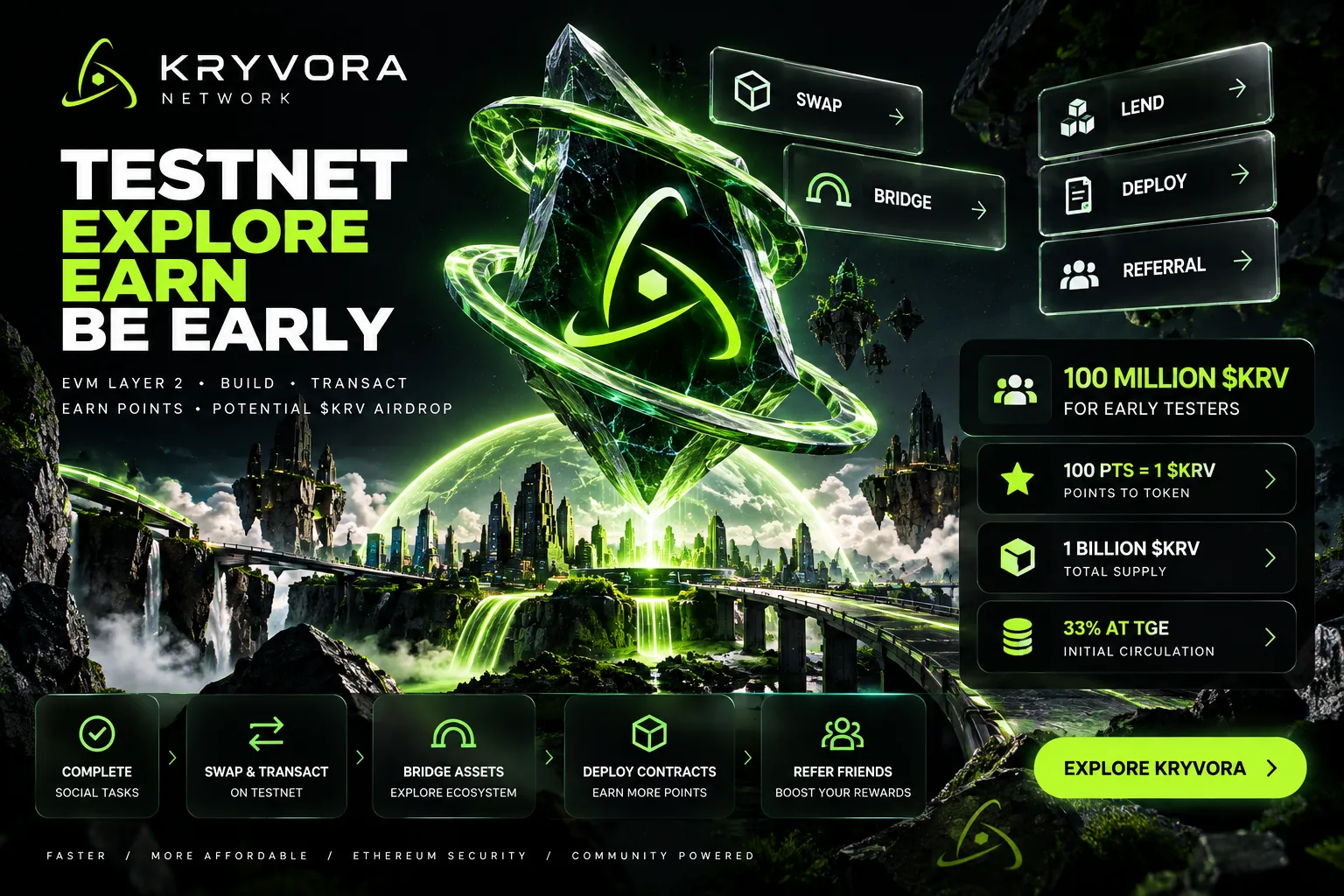
 Kryvora Network
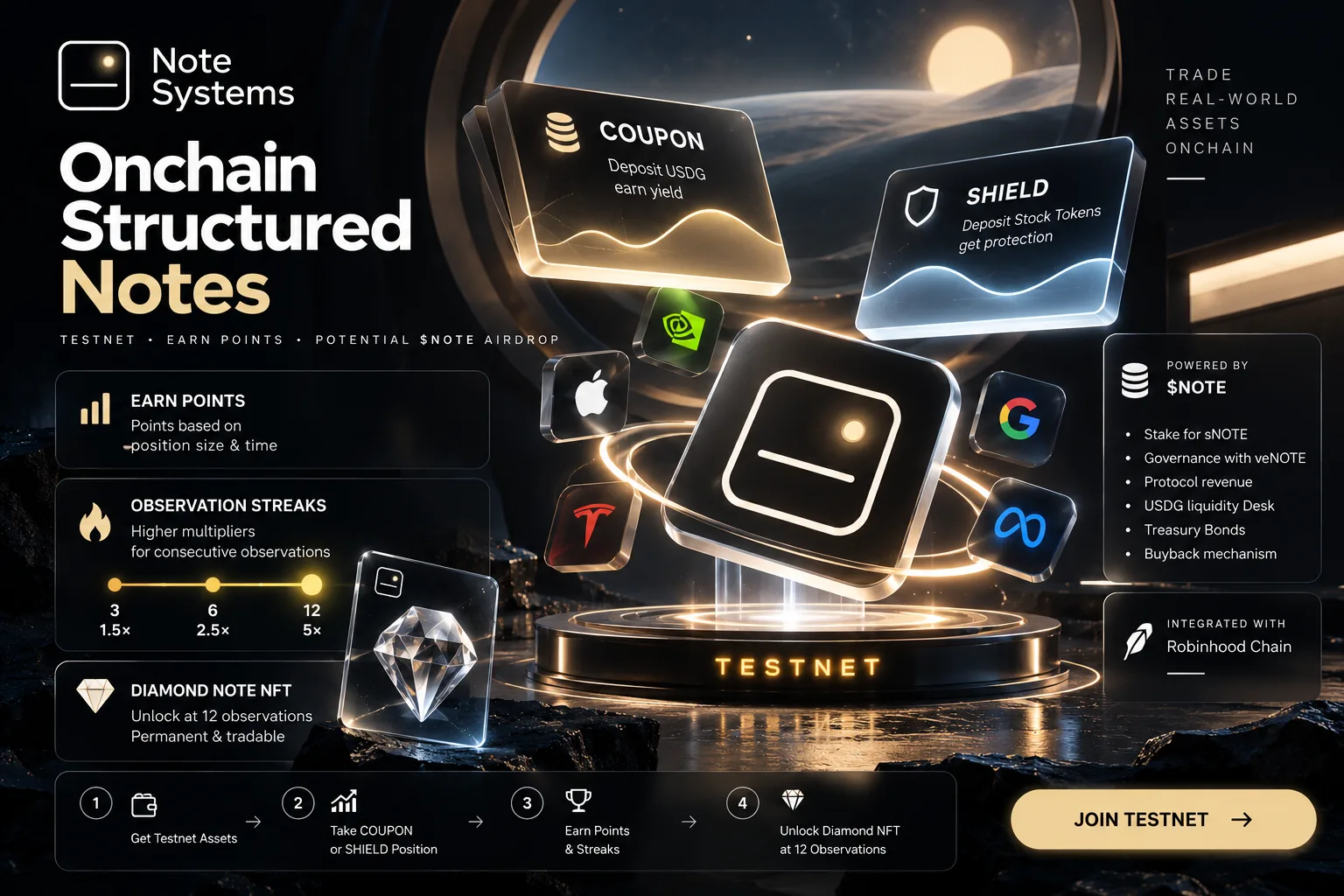
 Note Systems
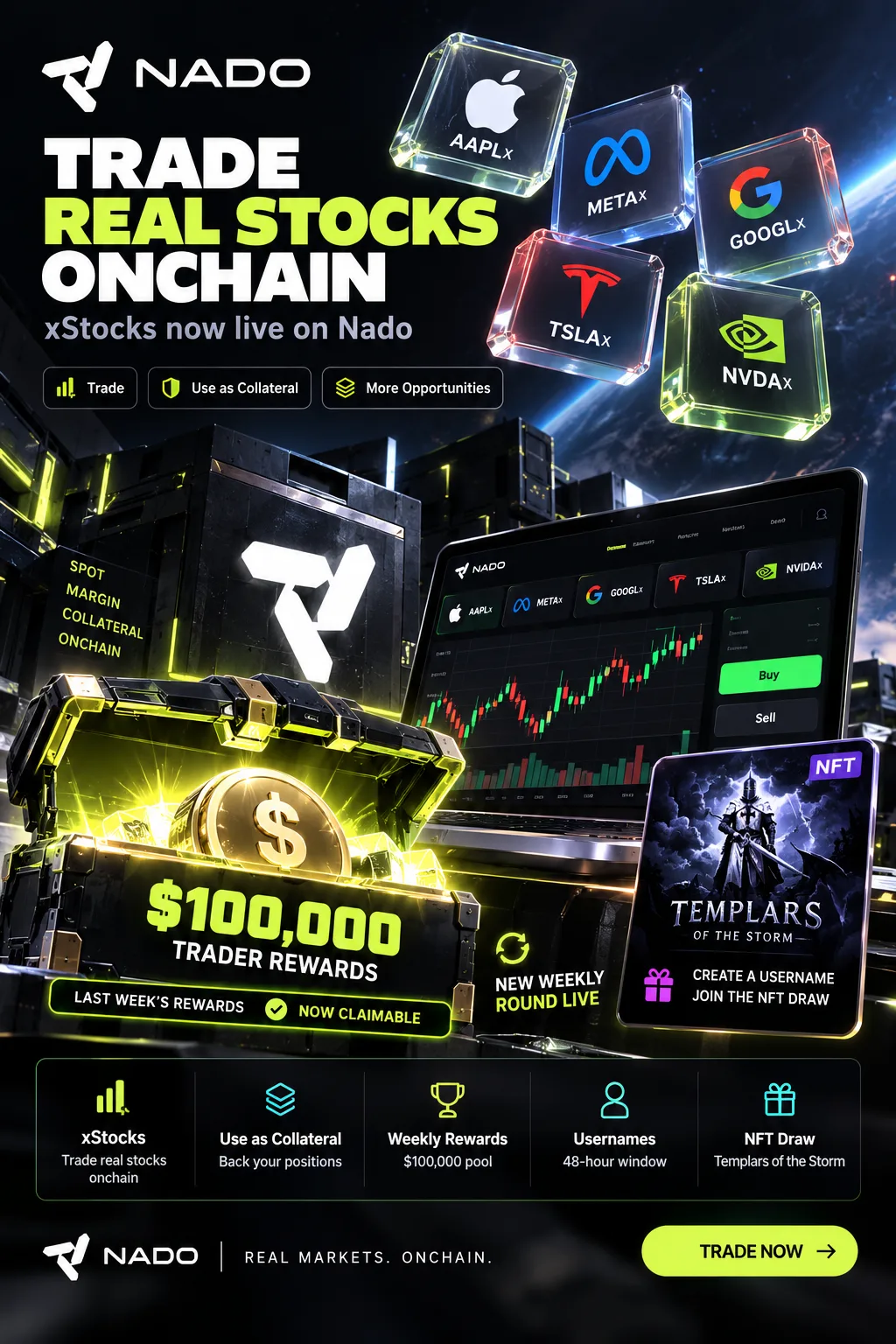
 Nado
Nado
Best NFT Trading Platforms in 2026
| Platform | Supported Blockchains | Fees | Key Features |
|---|---|---|---|
| OpenSea Pro | Ethereum, Polygon, Solana | 0.5% - 1% | Advanced analytics, bulk listing, cross-chain trading |
| Magic Eden | Solana, Ethereum, Bitcoin Ordinals | 0.2% - 1% | Low fees, launchpad, in-platform swaps |
| Blur | Ethereum, Layer 2s | 0% - 0.5% | Pro trading tools, liquidity incentives |
- Monitor Floor Prices: Use analytics tools to track price trends and identify entry/exit points.
- Set Realistic Goals: Define your risk tolerance and stick to your trading plan.
- Prioritize Security: Only trade on reputable platforms and enable all available security features.
NFT Regulations and Legal Considerations 2026
Regulatory frameworks for NFTs have advanced significantly by 2026. Jurisdictions now provide clearer definitions and requirements for NFT issuance, trading, and tax reporting. Here’s what users and creators should know:
- Know Your Customer (KYC) & Anti-Money Laundering (AML): Most major NFT platforms require KYC verification to comply with global AML standards.
- Intellectual Property Rights: NFT creators must ensure they have the legal rights to tokenize and sell digital or physical assets.
- Taxation: NFT sales and airdrops are subject to capital gains and income tax in many countries. Keep detailed records of all transactions.
- Consumer Protection: New regulations aim to protect buyers from fraud and misrepresentation. Always review platform terms and dispute resolution processes.
For more on compliance, consult the crypto safety guide.
Emerging NFT Use Cases Beyond Art and Collectibles
While digital art and collectibles remain popular, 2026 has seen NFTs expand into new sectors:
- Tokenized Real Estate: Property ownership and rental agreements are managed via NFTs, streamlining transactions and enabling fractional investment.
- Supply Chain Management: NFTs provide transparent, tamper-proof records for tracking goods and verifying authenticity.
- Gaming and Metaverse Assets: In-game items, avatars, and virtual land are traded as NFTs, with interoperability across platforms.
- Intellectual Property and Royalties: Musicians, writers, and artists use NFTs to automate royalty payments and manage licensing.
- Event Ticketing: NFT-based tickets reduce fraud and enable programmable access and rewards.
Risk Analysis: What NFT Users Should Watch for in 2026
Despite market maturity, NFT users face several risks in 2026:
- Smart Contract Vulnerabilities: Bugs or exploits in NFT contracts can lead to asset loss. Only interact with audited projects.
- Phishing and Scams: Fake airdrops and malicious links remain prevalent. Always verify sources and never share private keys.
- Market Volatility: NFT prices can fluctuate rapidly. Avoid overexposure to speculative assets.
- Regulatory Uncertainty: Some jurisdictions may introduce new restrictions. Stay updated on local laws.
For tips on staying secure, see our crypto safety guide.
Key Takeaways for NFT Participants in 2026
- NFTs now encompass a wide range of assets and industries, with robust institutional and enterprise adoption.
- Participating in NFT airdrops requires vigilance and adherence to security best practices.
- Investment strategies should focus on fundamentals, diversification, and regulatory compliance.
- Emerging use cases and cross-chain solutions are driving the next phase of NFT innovation.
- Staying informed and cautious is essential to navigating risks in the evolving NFT ecosystem.
Frequently Asked Questions About NFTs in 2026
- What are the most promising NFT projects in 2026?
Projects focused on real-world asset tokenization, gaming interoperability, and enterprise solutions are leading the market. Always research project fundamentals and community support. - How can I claim NFT airdrops safely in 2026?
Follow official project channels, use secure wallets, and consult the crypto safety guide to avoid scams. - What are the risks of investing in NFTs in 2026?
Risks include smart contract bugs, market volatility, scams, and regulatory changes. Diversify and use reputable platforms. - How are NFT regulations changing in 2026?
Most major jurisdictions now require KYC/AML compliance, tax reporting, and consumer protections for NFT platforms. - What tools do developers use to create NFTs in 2026?
Popular tools include cross-chain SDKs, audited smart contract templates, and NFT metadata management platforms. - Are NFTs still profitable for traders in 2026?
Profitability depends on market timing, project selection, and trading discipline. The market is more competitive but still offers opportunities. - How do institutions use NFTs for asset management in 2026?
Institutions use NFTs for tokenizing physical assets, automating compliance, and streamlining transactions. - What are the best practices for NFT security in 2026?
Use hardware wallets, enable multi-factor authentication, interact only with audited contracts, and stay updated on security threats.



 Gaming Platforms
 Crypto Casinos
 Blockchain Bridges
 Staking & Restaking
 DEX Token Swapping
 Crypto Wallets