
 BTC
 ETH
 USDT
 BNB
 XRP
 USDC
 SOL
 TRX
 FIGR_HELOC
 ZEC
 HYPE
 DOGE
 XMR
 USDS
 WBT
 LINK
 LEO
 ADA
 NEAR
 XLM
 RAIN
 BCH
 USDE
 DAI
 UNI
 LTC
 CC
 AVAX
 USD1
 SUI
 GRAM
 HBAR
 XAUT
 USDG
 QNT
 PYUSD
 SHIB
 TAO
 ENA
 CRO
 RLUSD
 USYC
 USDY
 OKB
 M
 BUIDL
 AAVE
 ONDO
 PUMP
 USDF
 PEPE
 BTW
 EURSAFO
 PAXG
 ASTER
 USDD
 DOT
 WLFI
 MNT
 WLD
 U
 SKY
 ICP
 MORPHO
 HTX
 BFUSD
 BGB
 USDGO
 VVV
 ETC
 ARB
 JST
 KCS
 GT
 KAS
 POL
 ALGO
 JUP
 RENDER
 ATOM
 PI
 OUSD
 NEXO
 INJ
 LIT
 FIL
 USTB
 AKE
 GHO
 ZRO
 CAKE
 DASH
 NIGHT
 XDC
 PEARL
 ETHFI
 APT
 PYTH
 BDX
 STX
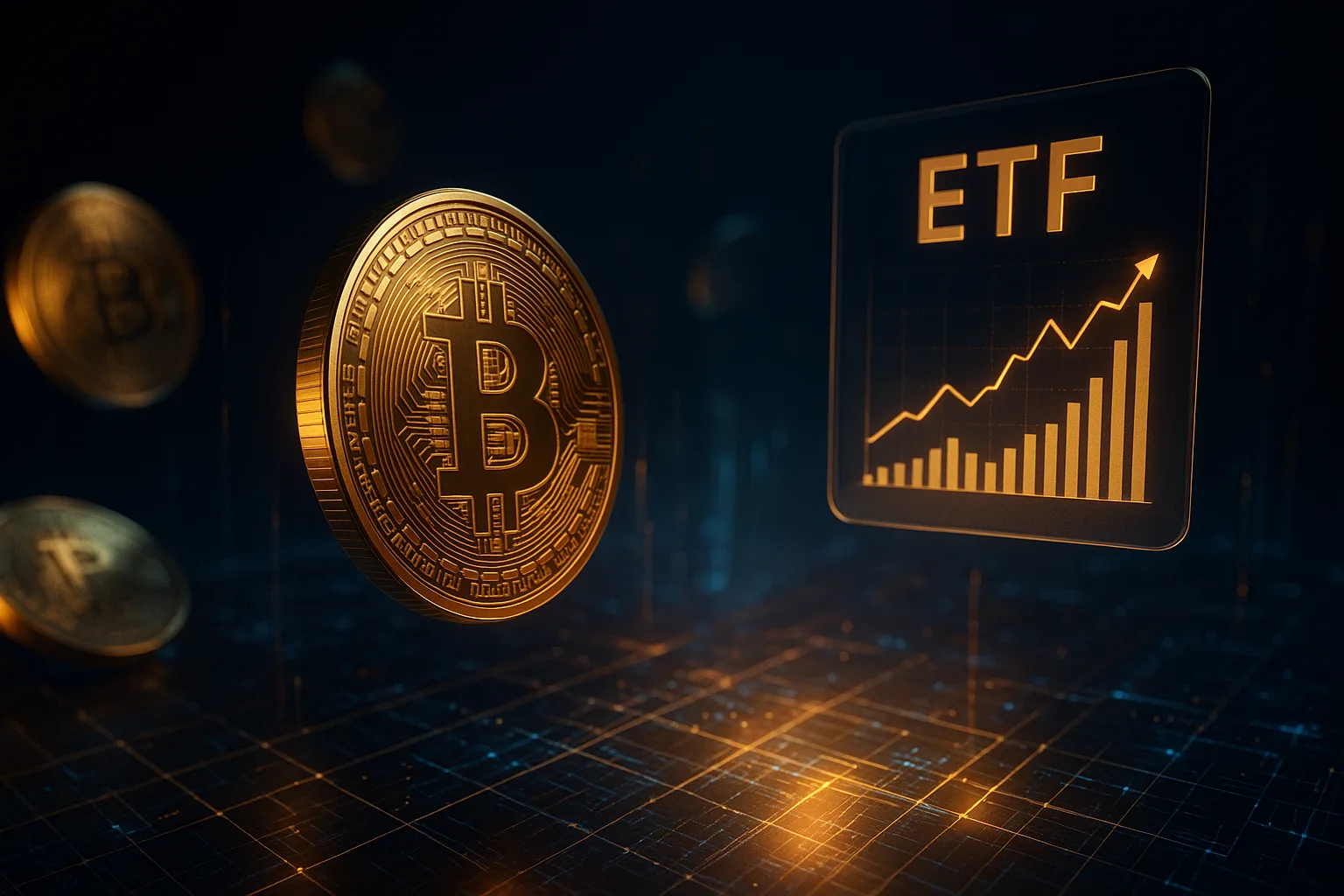

In 2026, tokenization in crypto means turning real-world assets like ETFs into digital tokens on blockchains, unlocking new levels of liquidity, transparency, and access for investors. This trend mirrors the $20 trillion ETF market’s explosive growth, as blockchain and AI converge to create smarter, more flexible asset management. Investors, traders, and airdrop hunters now have unprecedented opportunities to participate in tokenized ETFs and related airdrops, while also facing new risks and challenges unique to this evolving landscape.
Understanding Tokenization and Its Role in Crypto (2026)
What Is Tokenization in Crypto?
Tokenization in crypto refers to the process of converting ownership rights of real-world or digital assets into blockchain-based tokens. In 2026, this includes assets like stocks, bonds, real estate, and especially Exchange-Traded Funds (ETFs). These tokens can be traded, transferred, or programmed with smart contracts, making asset management more flexible and accessible.
For beginners, think of tokenization as creating a digital version of something valuable—like a share in an ETF—that can be owned, traded, or used in decentralized finance (DeFi) applications. This innovation is opening up traditional finance to a global audience, reducing barriers and increasing transparency.
Comparing Traditional ETFs and Tokenized ETFs
Traditional ETFs are investment funds traded on stock exchanges, offering exposure to baskets of assets. Tokenized ETFs, on the other hand, represent these funds as blockchain tokens. This enables 24/7 trading, fractional ownership, and instant settlement. In 2026, tokenized ETFs are gaining traction as investors seek more flexible and borderless investment options.
- Accessibility: Tokenized ETFs can be bought in small fractions, making them more accessible to retail investors worldwide.
- Transparency: Blockchain records all transactions, enhancing trust and auditability.
- Liquidity: Tokenized ETFs can be traded on decentralized exchanges (DEXs), increasing liquidity and reducing reliance on traditional markets.
The $20 Trillion ETF Boom: Lessons for Crypto Markets
The global ETF market surpassed $20 trillion in assets under management by 2026, driven by demand for diversified, low-cost investment vehicles. This explosive growth has inspired the crypto sector to develop tokenized versions of ETFs, aiming to replicate the same benefits—diversification, liquidity, and accessibility—on blockchain rails.
Crypto projects are learning from the ETF boom by focusing on user experience, regulatory compliance, and product innovation. The result is a new generation of tokenized funds that appeal to both traditional and crypto-native investors.
How Blockchain and AI Are Converging in 2026
AI’s Role in Tokenized Asset Management
The convergence of blockchain and AI is transforming asset management in 2026. AI-driven analytics, trading bots, and risk assessment tools are being integrated into tokenized ETF platforms, enabling smarter portfolio management and automated rebalancing. This synergy helps investors optimize returns, manage risks, and identify new opportunities in real time.
For example, AI algorithms can analyze market data, predict trends, and execute trades on behalf of users, all while leveraging the transparency and security of blockchain technology. This combination is making tokenized ETFs more efficient and attractive to a wide range of investors.
Ondo Executive Insights: Tokenization Trends and Predictions
Still unsure about wallets, eligibility, or reward rules? Visit our FAQ page for quick answers before joining any new crypto campaign.
Ondo Finance: Key Takeaways for 2026
According to Ondo Finance executives, tokenization is set to mirror the ETF boom by unlocking trillions in value through blockchain-based assets. Ondo’s leadership highlights several key trends for 2026:
- Institutional Adoption: More asset managers are exploring tokenized ETFs to attract global investors and reduce operational costs.
- Regulatory Progress: Jurisdictions are developing clearer frameworks for tokenized assets, encouraging innovation while prioritizing investor protection.
- Product Diversity: Beyond ETFs, tokenization is expanding to real estate, commodities, and alternative investments, broadening the scope for investors.
Ondo’s predictions suggest that tokenized ETFs will become a mainstream investment vehicle, supported by robust infrastructure and growing market demand.
Opportunities for Investors: Tokenized ETFs and Asset Management
How to Invest in Tokenized ETFs
Investing in tokenized ETFs in 2026 is more accessible than ever. Here’s a step-by-step guide for beginners:
- Choose a Reputable Platform: Select a regulated exchange or DeFi platform that offers tokenized ETFs. Research their security measures and user reviews. For more, see our crypto guides and market analysis.
- Set Up a Wallet: Create a secure crypto wallet compatible with the platform. Hardware wallets are recommended for enhanced security.
- Verify Your Identity: Most platforms require KYC (Know Your Customer) verification to comply with regulations.
- Fund Your Account: Deposit crypto or fiat currency to purchase tokenized ETF shares.
- Monitor and Manage: Use platform tools to track performance, rebalance your portfolio, and set up alerts for market movements.
Tokenized ETFs offer global access, lower minimum investments, and real-time trading, making them attractive for both new and experienced investors.
Trader Strategies for the Tokenization Era
Top Trading Tactics for Tokenized Markets
Traders in 2026 are leveraging tokenized ETFs for both short-term and long-term strategies. Here are some practical tactics:
- Arbitrage: Exploit price differences between tokenized ETFs on various platforms or between tokenized and traditional ETFs.
- Yield Farming: Stake tokenized ETF shares in DeFi protocols to earn additional rewards or interest.
- Automated Trading: Use AI-driven bots to execute trades based on market signals and portfolio goals.
- Risk Hedging: Diversify across multiple tokenized ETFs to manage volatility and reduce exposure to single assets.
Advanced users can integrate on-chain analytics and smart contract automation to further optimize their trading strategies.
Airdrop Opportunities Linked to Tokenized Assets in 2026
Finding and Participating in Tokenization Airdrops
As tokenized ETFs gain popularity, many platforms are launching airdrops to attract users and incentivize participation. Here’s how to get involved:
- Stay Informed: Follow official announcements from tokenized ETF platforms and join their communities.
- Meet Eligibility Criteria: Some airdrops require holding a minimum amount of tokenized ETF shares or completing specific actions.
- Claim Rewards: Follow the platform’s instructions to claim your airdrop tokens. Always double-check URLs and avoid phishing scams.
For the latest updates on crypto airdrops 2026, check our dedicated section. Airdrop hunters should also review our crypto safety guide to avoid common pitfalls.
Risks and Challenges of Tokenization in 2026
Security and Regulatory Considerations
While tokenization offers many benefits, it also introduces new risks:
- Smart Contract Bugs: Vulnerabilities in code can lead to loss of funds or unintended behavior.
- Regulatory Uncertainty: Laws governing tokenized assets are still evolving, and compliance requirements may change.
- Custody Risks: Users must secure their private keys and wallet credentials to prevent unauthorized access.
- Liquidity Risks: Some tokenized ETFs may have lower trading volumes, making it harder to enter or exit positions quickly.
Investors should conduct thorough due diligence, use reputable platforms, and stay updated on regulatory developments. For more safety tips, visit our crypto safety guide.
If you prefer curated opportunities instead of browsing everything manually, check our featured airdrops and compare higher-signal campaigns first.
Common Mistakes and How to Avoid Them in Tokenized ETF Investing
Even experienced investors can make costly mistakes in the fast-evolving tokenization space. Here are common pitfalls and how to avoid them:
- Ignoring Platform Security: Always verify the legitimacy of platforms and never share private keys.
- Overlooking Fees: Check for hidden transaction or management fees that can erode returns.
- Chasing Hype: Avoid investing based solely on marketing or social media buzz. Focus on fundamentals and project transparency.
- Neglecting Diversification: Don’t put all your funds into a single tokenized ETF. Spread risk across multiple assets.
Market Outlook: Where Is Tokenization Headed?
Predictions for Tokenization Growth
Experts predict continued growth for tokenized assets in 2026 and beyond. As regulatory clarity improves and infrastructure matures, more institutional and retail investors are expected to enter the market. The range of tokenized products will expand, including not just ETFs but also real estate, commodities, and alternative assets.
Key drivers of growth include:
- Increasing demand for global, 24/7 access to diversified investments
- Advances in blockchain scalability and interoperability
- Integration of AI-driven asset management tools
- Growing acceptance of digital assets by traditional financial institutions
While challenges remain, the momentum behind tokenization is strong, with the potential to reshape the global investment landscape.
Expert Insights: What Industry Leaders Are Saying
Industry leaders, including executives from Ondo Finance, emphasize the transformative potential of tokenization. They highlight the importance of regulatory compliance, robust security, and user education as critical factors for sustainable growth. According to these experts, collaboration between traditional finance and crypto innovators will drive the next wave of ETF innovation.
They also point out that tokenization is not just a technological shift but a cultural one, empowering individuals to participate in markets previously out of reach. As more investors seek transparency, efficiency, and global access, tokenized ETFs are poised to become a cornerstone of modern portfolios.
Practical Checklist: Getting Started with Tokenized ETFs in 2026
- Research reputable tokenized ETF platforms and compare features
- Set up a secure crypto wallet and enable two-factor authentication
- Complete KYC verification where required
- Understand the underlying assets and management strategies of each tokenized ETF
- Monitor platform announcements for airdrop opportunities
- Stay updated on regulatory changes affecting tokenized assets
- Review our crypto guides and market analysis for deeper insights
- Prioritize safety—never share private keys and beware of phishing scams
Pros and Cons of Tokenized ETFs in 2026
| Pros | Cons |
|---|---|
| Global, 24/7 access | Regulatory uncertainty |
| Fractional ownership | Smart contract risks |
| Lower minimum investment | Potential liquidity issues |
| Transparent transactions | Complexity for beginners |
| Integration with DeFi | Platform security concerns |
FAQ: Tokenization, ETFs, and Airdrops in 2026
- How does tokenization benefit ETF investors in 2026?
Tokenization offers greater accessibility, lower minimum investments, real-time trading, and enhanced transparency for ETF investors. - What are the main risks of tokenized ETFs?
Main risks include smart contract vulnerabilities, regulatory uncertainty, custody challenges, and potential liquidity issues. - Can beginners participate in tokenized asset airdrops?
Yes, many platforms offer airdrops to both new and existing users. Always verify eligibility requirements and follow safety best practices. - How is AI changing the management of tokenized funds?
AI tools automate portfolio management, risk assessment, and trading, making tokenized funds more efficient and responsive to market changes. - Which platforms offer tokenized ETFs in 2026?
Several regulated exchanges and DeFi platforms now offer tokenized ETFs. Research platform reputation, security, and regulatory compliance before investing. - Are there airdrops related to tokenized assets in 2026?
Yes, many tokenized ETF projects launch airdrops to reward early adopters and active users. Check our latest crypto airdrops page for updates. - What should traders know before investing in tokenized ETFs?
Understand the underlying assets, platform security, fee structures, and market liquidity. Diversify and use risk management strategies. - Where can I learn more about staying safe in tokenized markets?
Visit our crypto safety guide for essential tips on protecting your assets and avoiding scams.
Conclusion: Navigating the Tokenization Wave in 2026
Tokenization in crypto is rapidly reshaping the investment landscape, mirroring the $20 trillion ETF boom and opening new doors for investors, traders, and airdrop hunters. As blockchain and AI converge, tokenized ETFs offer unprecedented flexibility, transparency, and global access. However, this new frontier comes with its own set of risks and challenges. By staying informed, prioritizing security, and leveraging the latest tools and strategies, participants can navigate the evolving world of tokenized assets with confidence in 2026 and beyond.
Before connecting a wallet or approving any transaction, slow down and verify the source. Our crypto safety guide explains how to avoid fake claim pages, phishing links, risky approvals, and common wallet mistakes.
How Blockchain and AI Are Converging in 2026
AI’s Role in Tokenized Asset Management
The convergence of blockchain and artificial intelligence (AI) is transforming how tokenized assets, including ETFs, are managed in 2026. AI algorithms now analyze vast datasets from both on-chain and off-chain sources, enabling smarter portfolio rebalancing, risk assessment, and fraud detection. For example, AI-driven bots can monitor liquidity pools and trading volumes, automatically adjusting tokenized ETF allocations to optimize returns and minimize exposure to volatile assets.
- Predictive Analytics: AI models forecast market trends, helping managers anticipate shifts in tokenized ETF demand.
- Automated Compliance: Smart contracts, enhanced by AI, ensure tokenized ETFs adhere to evolving regulations in real time.
- Personalized Portfolios: AI tailors tokenized ETF baskets to individual risk profiles, democratizing sophisticated investment strategies.
For a deeper dive into AI’s impact on crypto trading, see our crypto guides and market analysis.
Ondo Executive Insights: Tokenization Trends and Predictions
Ondo Finance: Key Takeaways for 2026
According to Ondo Finance executives, the tokenization boom is not just about replicating traditional ETFs on-chain—it’s about unlocking new asset classes and global participation. Ondo’s leadership highlights several key trends:
- Interoperability: Cross-chain protocols are making it easier to move tokenized ETFs across different blockchains, increasing liquidity and reducing friction.
- Regulatory Clarity: 2026 has seen clearer guidelines for tokenized securities, attracting institutional capital and fostering mainstream adoption.
- Yield Innovation: Tokenized ETFs now offer programmable yields, with smart contracts distributing rewards or staking incentives automatically.
Ondo predicts that by the end of 2026, tokenized ETFs could represent a significant share of global ETF flows, especially as more investors seek exposure to both traditional and crypto-native assets.
Opportunities for Investors: Tokenized ETFs and Asset Management
How to Invest in Tokenized ETFs
For those new to tokenization in crypto, here’s a practical checklist to get started with tokenized ETFs in 2026:
- Research Platforms: Compare leading tokenized ETF providers for security, asset selection, and fees.
- Verify Regulatory Compliance: Ensure the platform and tokens comply with your jurisdiction’s rules.
- Understand Smart Contracts: Review the underlying code or third-party audits for the ETF’s smart contract.
- Assess Liquidity: Check trading volumes and available liquidity pools for your chosen tokenized ETF.
- Secure Your Wallet: Use a reputable crypto wallet and enable two-factor authentication. See our crypto safety guide for best practices.
- Monitor Performance: Use AI-powered dashboards or analytics tools to track your investments and rebalance as needed.
Tokenized ETFs can be purchased via decentralized exchanges (DEXs) or specialized platforms, often with lower minimums than traditional funds.
Trader Strategies for the Tokenization Era
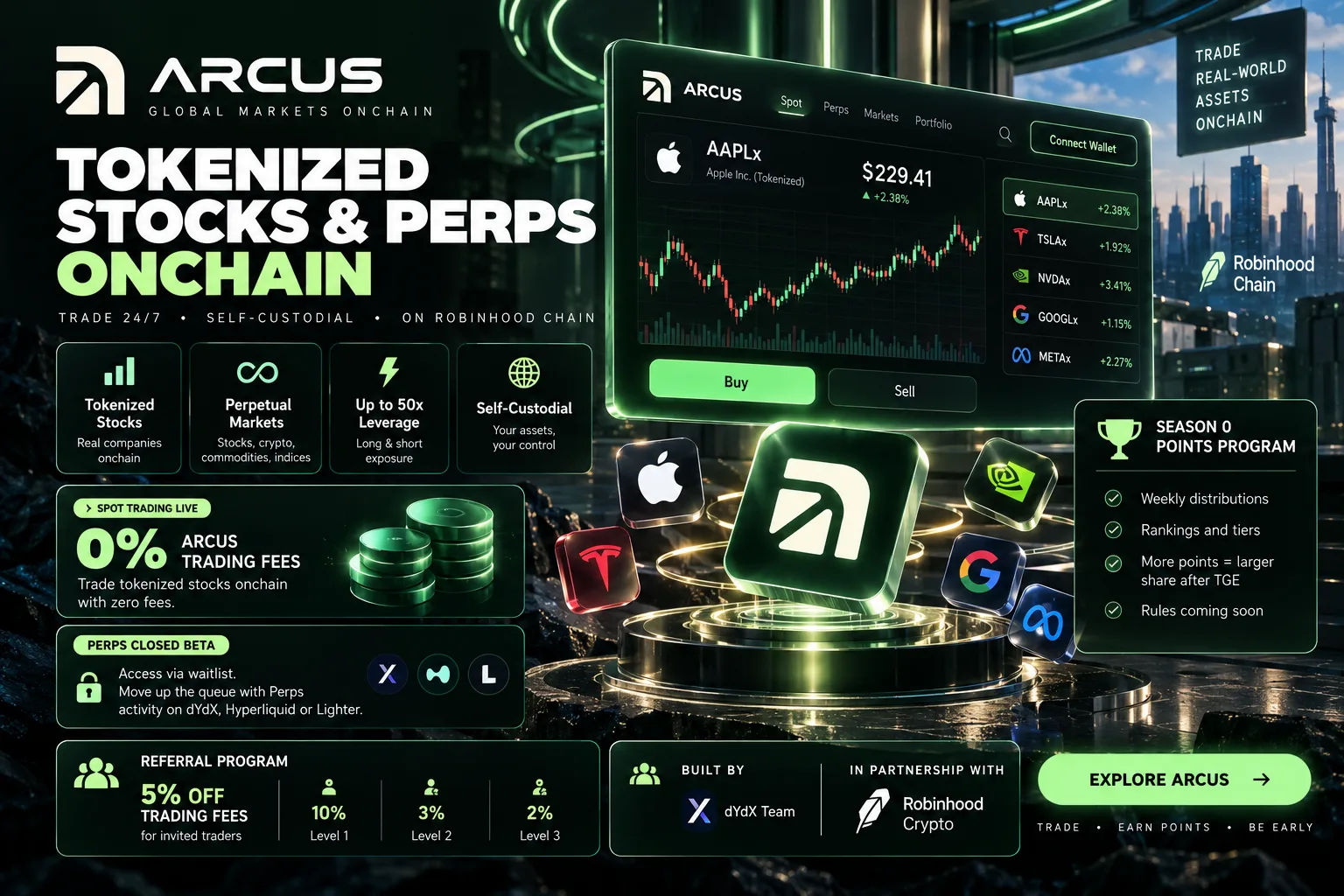
 Arcus Exchange
 JoinCare
 Breath of Estova
Top Trading Tactics for Tokenized Markets
Active traders are leveraging the unique features of tokenized ETFs in several ways:
- Arbitrage: Exploit price differences between tokenized ETFs on various blockchains or exchanges.
- Liquidity Mining: Provide liquidity to tokenized ETF pools in exchange for rewards or a share of trading fees.
- Automated Trading: Deploy AI-powered bots to execute trades based on real-time market signals and on-chain data.
- Staking: Stake tokenized ETF assets to earn additional yield, where supported.
For more advanced strategies, explore our crypto guides and market analysis.
Airdrop Opportunities Linked to Tokenized Assets in 2026
Finding and Participating in Tokenization Airdrops
The rise of tokenized ETFs has led to a surge in latest crypto airdrops targeting early adopters and liquidity providers. Here’s how airdrop hunters can maximize their chances:
- Engage Early: Participate in new tokenized ETF launches or governance votes to become eligible for retroactive airdrops.
- Provide Liquidity: Add funds to tokenized ETF pools, as many projects reward liquidity providers with airdropped tokens.
- Follow Official Channels: Stay updated on project announcements via social media, Discord, and official blogs.
- Document Participation: Keep records of your on-chain activity to claim airdrops that require proof of engagement.
Some airdrops are exclusive to users who stake or hold tokenized ETF assets for a set period, so read eligibility criteria carefully.
Risks and Challenges of Tokenization in 2026
Security and Regulatory Considerations
While tokenization offers many benefits, it also introduces new risks:
- Smart Contract Vulnerabilities: Bugs or exploits in smart contracts can lead to asset loss.
- Regulatory Uncertainty: Jurisdictions may impose new rules or restrictions on tokenized ETFs, affecting access and liquidity.
- Custody Risks: Holding tokenized assets requires secure wallet management to prevent theft or loss.
- Market Manipulation: Low-liquidity tokenized ETFs may be susceptible to price manipulation.
Investors should conduct due diligence and stay informed about evolving regulations. For more on safety, see our crypto safety guide.
Future Outlook: Where Is Tokenization Headed?
Predictions for Tokenization Growth
Experts anticipate that tokenization will continue to blur the lines between traditional finance and crypto. By 2030, tokenized ETFs could rival their traditional counterparts in both volume and innovation, with AI and blockchain driving hyper-personalized asset management. As interoperability improves and regulatory frameworks mature, expect to see:
- Expansion into new asset classes, including private equity and real-world commodities.
- Greater retail participation, thanks to lower entry barriers and global access.
- Integration with DeFi protocols, enabling novel yield and lending products based on tokenized ETFs.
Staying informed and adaptable will be key for investors, traders, and airdrop hunters alike.
Frequently Asked Questions
- How does tokenization benefit ETF investors in 2026?
Tokenization increases liquidity, transparency, and accessibility, allowing investors to trade ETF shares 24/7 and access global markets with lower minimums. - What are the main risks of tokenized ETFs?
Risks include smart contract bugs, regulatory changes, custody challenges, and potential market manipulation in low-liquidity environments. - Can beginners participate in tokenized asset airdrops?
Yes, many projects offer airdrops to early users, liquidity providers, or those who engage with governance. Always verify eligibility and follow official instructions. - How is AI changing the management of tokenized funds?
AI enables real-time portfolio optimization, predictive analytics, and automated compliance, making asset management more efficient and personalized. - Which platforms offer tokenized ETFs in 2026?
Several leading crypto platforms and DeFi protocols now offer tokenized ETFs. Compare features, security, and compliance before investing.


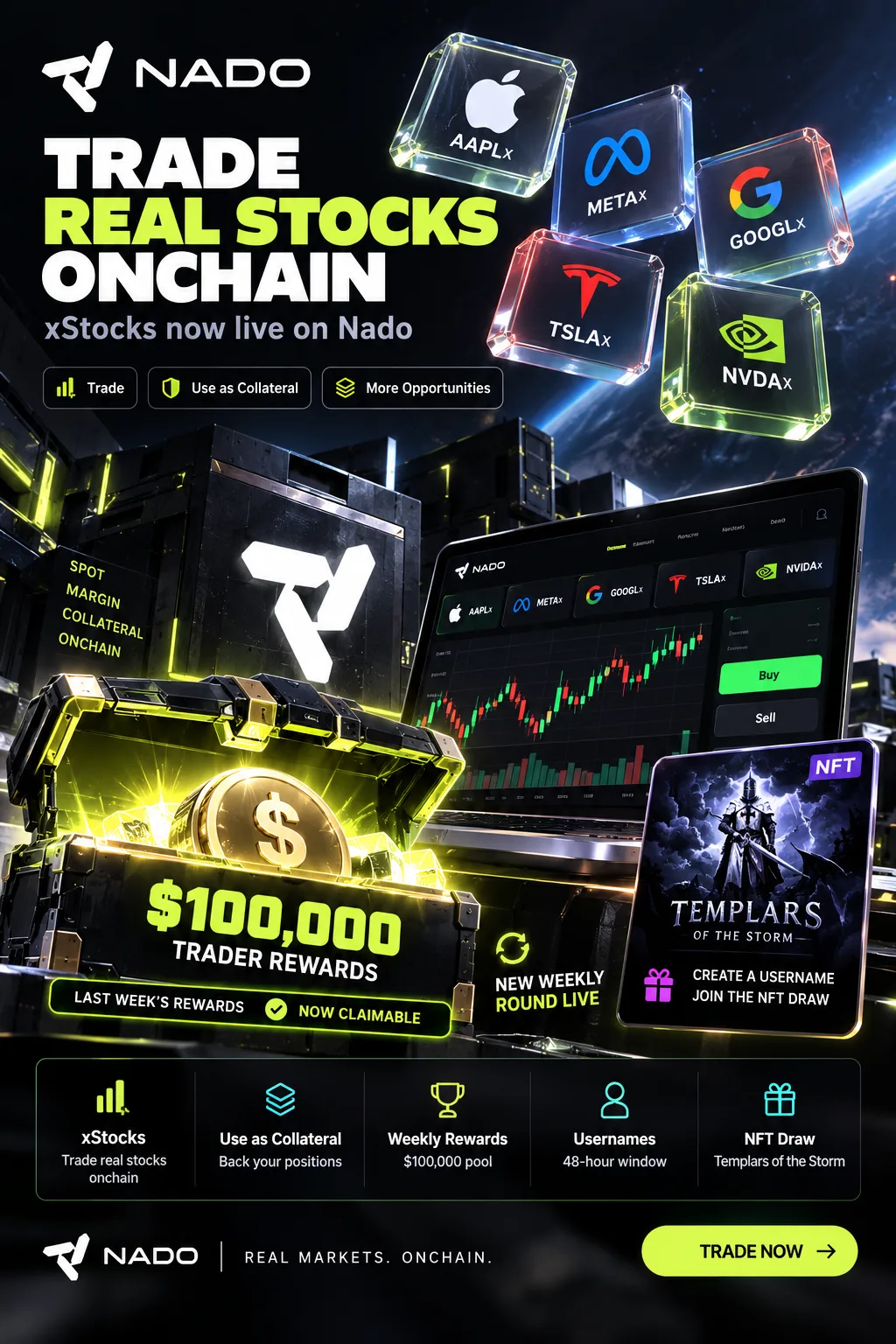
 Gaming Platforms
 Crypto Casinos
 Blockchain Bridges
 Staking & Restaking
 DEX Token Swapping
 Crypto Wallets