
 BTC
 ETH
 USDT
 BNB
 XRP
 USDC
 SOL
 TRX
 FIGR_HELOC
 ZEC
 HYPE
 DOGE
 XMR
 USDS
 WBT
 LINK
 LEO
 ADA
 NEAR
 XLM
 RAIN
 BCH
 USDE
 DAI
 UNI
 LTC
 CC
 AVAX
 USD1
 SUI
 GRAM
 HBAR
 XAUT
 USDG
 QNT
 PYUSD
 SHIB
 TAO
 ENA
 CRO
 RLUSD
 USYC
 USDY
 OKB
 M
 BUIDL
 AAVE
 ONDO
 PUMP
 USDF
 PEPE
 BTW
 EURSAFO
 PAXG
 ASTER
 USDD
 DOT
 WLFI
 MNT
 WLD
 U
 SKY
 ICP
 MORPHO
 HTX
 BFUSD
 BGB
 USDGO
 VVV
 ETC
 ARB
 JST
 KCS
 GT
 KAS
 POL
 ALGO
 JUP
 RENDER
 ATOM
 PI
 OUSD
 NEXO
 INJ
 LIT
 FIL
 USTB
 AKE
 GHO
 ZRO
 CAKE
 DASH
 NIGHT
 XDC
 PEARL
 ETHFI
 APT
 PYTH
 BDX
 STX
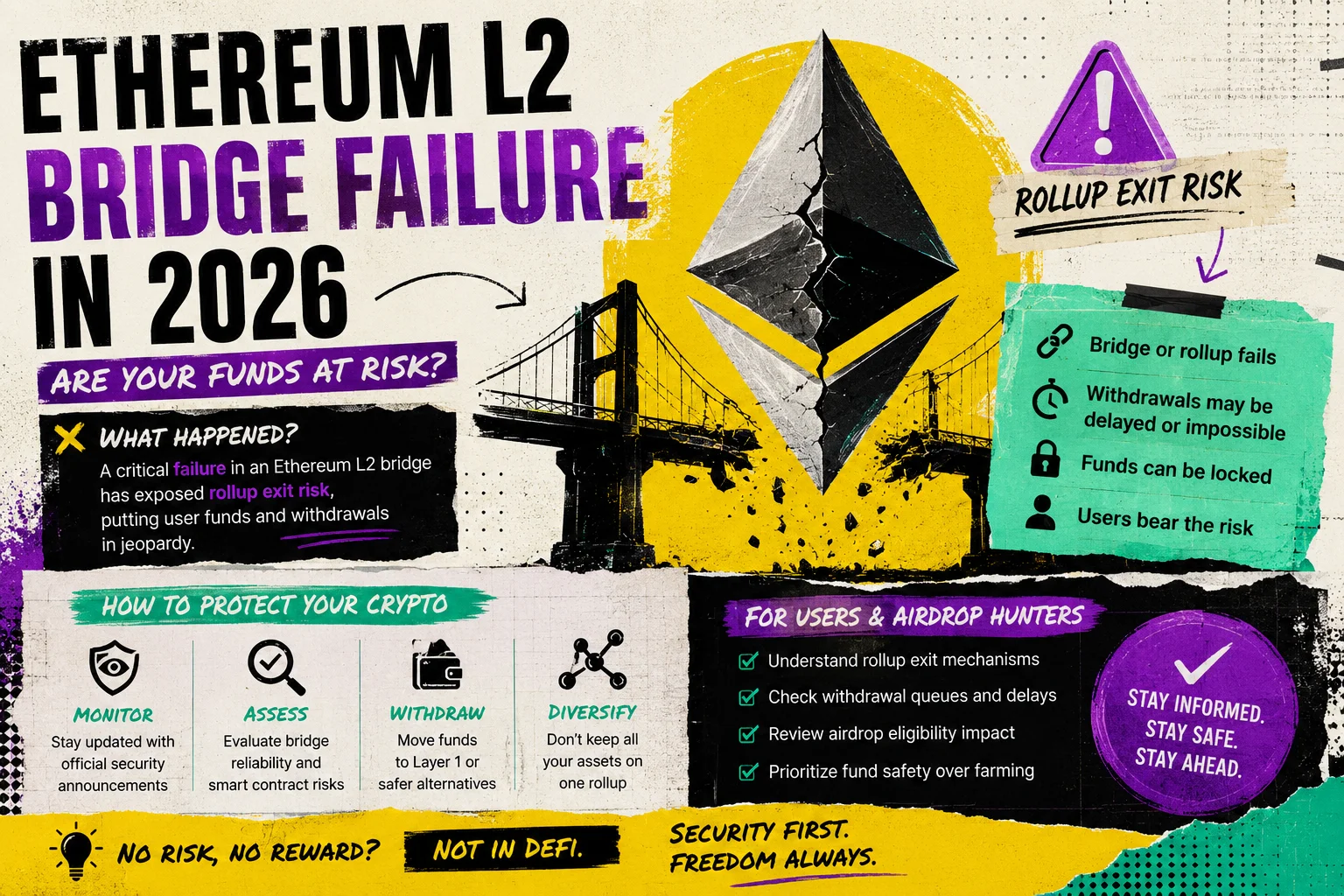

The Ethereum L2 bridge failure in 2026 has brought critical attention to rollup exit risk, with crypto users urged to review their fund safety and withdrawal options. Rollup exit risk means that if a Layer 2 bridge or rollup mechanism fails, users may be unable to retrieve their assets. To protect your crypto, monitor project security updates, assess bridge reliability, and consider moving funds to more secure or decentralized alternatives. This guide explains what happened, the risks, and practical steps for users and airdrop hunters.
What Actually Happened: Overview of the 2026 Ethereum L2 Bridge Failure
In 2026, the Ethereum Layer 2 (L2) ecosystem faced heightened scrutiny after a prominent L2 bridge experienced a technical failure. While no confirmed hack or loss has been reported, the incident exposed systemic vulnerabilities in how bridges facilitate asset transfers between Ethereum mainnet and Layer 2 rollups. As a result, users, traders, and airdrop hunters are re-examining the safety of their funds and the reliability of these bridging protocols.
Community speculation and analyst discussion have centered on the technical limitations of current bridge designs, especially regarding the ability to exit or withdraw assets if the bridge or rollup becomes unresponsive or compromised. This event has sparked a wave of withdrawals, with many users seeking to minimize exposure to potential exit risks.
Timeline of the 2026 Bridge Incident
- Early 2026: Growing adoption of Ethereum Layer 2 solutions, with billions in total value locked (TVL) across major bridges.
- Q2 2026: Reports surface of delayed withdrawals and transaction bottlenecks on a leading L2 bridge, prompting user concern.
- Community Response: Social media and crypto forums see increased discussion about rollup exit risk and bridge vulnerabilities.
- Official Project Updates: The affected bridge team issues statements acknowledging technical issues and promising security reviews, but no confirmed exploit or loss is reported.
- Market Impact: Users begin moving funds off Layer 2 bridges, with some projects temporarily pausing new deposits or withdrawals for security audits.
Understanding Rollup Exit Risk on Ethereum Layer 2
Rollup exit risk refers to the possibility that users may be unable to withdraw their assets from a Layer 2 rollup if the bridge or underlying protocol fails. Unlike the Ethereum mainnet, where withdrawals are direct, Layer 2 solutions rely on complex bridging mechanisms to move assets between chains. If these mechanisms encounter technical issues, users could face delayed or blocked access to their funds.
Technical Explanation of Rollup Exit Risk
Layer 2 rollups bundle transactions off-chain and periodically submit proofs to the Ethereum mainnet. Bridges act as the gateway for moving assets in and out. If a bridge's smart contract or off-chain validator network fails, users may be unable to initiate or complete withdrawals. This risk is amplified if the bridge lacks robust fallback mechanisms or if its security model is not fully decentralized.
If this opportunity involves trading, deposits, or exchange activity, review our crypto trading guide for beginners to understand fees, risk control, and safer decision-making.
Ethereum Layer 2 Bridge Vulnerabilities Explained in 2026
Ethereum Layer 2 bridges are designed to offer faster and cheaper transactions, but they introduce new attack vectors and technical risks. In 2026, several vulnerabilities have been highlighted by security researchers and the broader crypto community:
- Centralized Validators: Some bridges rely on a small set of validators, increasing the risk of collusion or failure.
- Smart Contract Bugs: Complex bridge contracts may contain undiscovered bugs that can be exploited or cause unintended lockups.
- Operational Delays: High network congestion or technical issues can delay withdrawals, leaving users exposed during periods of uncertainty.
- Governance Risks: Bridges governed by multisig wallets or DAOs may face slow or contentious decision-making during emergencies.
These vulnerabilities underscore the importance of due diligence and ongoing security audits for any protocol handling user funds.
How Bridge Failures Affect Crypto Users and Airdrop Hunters
The 2026 bridge incident has had a ripple effect across the crypto community, particularly among those who actively use Layer 2 solutions for trading, investing, or qualifying for airdrops. Key impacts include:
- Increased Withdrawal Activity: Many users have chosen to withdraw assets from affected bridges, leading to network congestion and higher gas fees.
- Temporary Loss of Access: Some users have reported delays or temporary inability to access their funds, though no permanent losses are confirmed.
- Airdrop Eligibility Concerns: Airdrop hunters are uncertain whether withdrawing funds or avoiding certain bridges will affect their eligibility for future token distributions.
- Shift in User Behavior: There is a growing preference for bridges with transparent security practices and decentralized governance.
Investor and Trader Reactions
Investors and traders have responded by diversifying their holdings, moving assets to more established or audited bridges, and closely monitoring project communications. Some have paused participation in new Layer 2 protocols until security assurances are provided.
Step-by-Step Guide: How to Secure Your Funds After an L2 Bridge Exploit
If you are concerned about your assets on an Ethereum Layer 2 bridge, follow these steps to enhance your fund safety:
- 1. Check Official Updates: Visit the official website or social channels of the bridge for the latest status and withdrawal guidance.
- 2. Review Withdrawal Options: If withdrawals are open, initiate the process as soon as possible. Be prepared for potential delays or higher fees.
- 3. Use Secure Wallets: Always withdraw to a wallet where you control the private keys. Avoid exchanges or custodial wallets unless necessary.
- 4. Document Transactions: Keep records of your withdrawal requests and transaction hashes for reference in case of disputes or support requests.
- 5. Stay Informed: Subscribe to project updates and monitor community forums for real-time information on bridge status and security audits.
- 6. Consider Diversification: Spread your assets across multiple bridges or protocols to reduce exposure to any single point of failure.
For more comprehensive safety tips, see our crypto safety guide.
Best Practices for Using Ethereum L2 Bridges in 2026
To minimize risks and protect your crypto assets when using Ethereum Layer 2 bridges in 2026, consider these best practices:
- Due Diligence: Research the bridge's security audits, validator set, and governance structure before depositing funds.
- Monitor Bridge Health: Use blockchain explorers and community dashboards to track bridge activity and identify unusual patterns.
- Limit Exposure: Avoid keeping large balances on any single bridge, especially those with centralized components or recent technical issues.
- Participate in Community: Engage with the bridge's community channels to stay updated on security developments and incident responses.
- Test Withdrawals: Periodically withdraw small amounts to ensure the bridge is functioning as expected.
For ongoing updates and educational resources, visit our crypto guides and market analysis section.
Impact on Airdrop Eligibility and Future Opportunities
Bridge failures and technical incidents can have a direct impact on airdrop eligibility for users who rely on Layer 2 protocols to qualify for token distributions. Here’s what airdrop hunters need to know in 2026:
- Eligibility Snapshots: Many airdrops use blockchain snapshots to determine eligibility. Withdrawing funds before a snapshot may disqualify you from some distributions.
- Protocol-Specific Rules: Each project sets its own eligibility criteria. Some may reward users who remain during periods of uncertainty, while others may penalize early withdrawals.
- Transparency is Key: Monitor official announcements for updates on how incidents affect airdrop plans. Projects may adjust rules in response to bridge issues.
- Strategic Participation: Consider diversifying your participation across multiple Layer 2 protocols to maximize future airdrop opportunities.
If you want to understand how eligibility, snapshots, claiming, and reward distribution usually work, start with our crypto airdrop guide before joining new campaigns.
Airdrop Strategies Post-Bridge Failure
After a bridge incident, review your exposure and consider whether to maintain a presence on affected protocols or shift to alternatives. For the latest airdrop opportunities, check our curated list of latest crypto airdrops.
Comparing Popular Ethereum L2 Bridges in 2026: Security and User Experience
Not all Ethereum Layer 2 bridges are created equal. In 2026, users have a variety of options, each with distinct security models and user experiences. Here’s how to evaluate them:
| Bridge Name | Validator Model | Security Audits | Withdrawal Speed | Decentralization |
|---|---|---|---|---|
| Bridge A | Decentralized | Multiple, Public | Fast | High |
| Bridge B | Semi-centralized | Limited, Private | Moderate | Medium |
| Bridge C | Centralized | Unknown | Variable | Low |
Always prioritize bridges with transparent security audits, open-source code, and decentralized validator sets. Be wary of bridges with opaque governance or limited public information.
Security Audits and What to Look For in 2026
Security audits are a critical factor in evaluating the safety of any Ethereum Layer 2 bridge. In 2026, leading audit firms and independent researchers regularly review bridge contracts for vulnerabilities. When assessing a bridge, consider:
- Audit Recency: Prefer bridges with recent, comprehensive audits.
- Public Disclosure: Look for bridges that publish full audit reports and address identified issues.
- Bug Bounty Programs: Bridges offering rewards for vulnerability disclosures tend to have stronger security postures.
- Community Oversight: Decentralized governance and active community involvement can help identify and resolve risks quickly.
For more on protecting your funds, see our crypto safety guide.
Community and Developer Responses: Navigating Uncertainty Together
The 2026 bridge incident has galvanized both the developer and user communities to demand higher standards for security and transparency. Key responses include:
- Open Communication: Developers are providing more frequent updates and engaging directly with users to address concerns.
- Security Upgrades: Many projects are accelerating the rollout of enhanced security features, such as decentralized validator sets and improved fallback mechanisms.
- Education Initiatives: Community leaders are publishing guides and hosting webinars to help users understand rollup exit risk and bridge safety best practices.
These efforts aim to restore user confidence and ensure the long-term viability of Ethereum Layer 2 solutions.
Expert Predictions: The Future of Ethereum L2 Security and User Protection
Looking ahead, analysts and security experts predict that Ethereum Layer 2 bridges will continue to evolve, with a strong focus on decentralization, transparency, and user protection. Key trends to watch in 2026 include:
- Decentralized Bridge Architectures: New designs are reducing reliance on centralized validators, making bridges more resilient to failures.
- Automated Monitoring: Advanced monitoring tools are being developed to detect anomalies and alert users in real time.
- Cross-Chain Standards: Industry-wide standards for bridge security and interoperability are gaining traction.
- User Empowerment: Educational resources and user-friendly interfaces are making it easier for crypto holders to assess and manage risks.
While no system is completely risk-free, ongoing innovation and community vigilance are key to building a safer, more robust Ethereum Layer 2 ecosystem.
Before connecting a wallet or approving any transaction, slow down and verify the source. Our crypto safety guide explains how to avoid fake claim pages, phishing links, risky approvals, and common wallet mistakes.
Key Takeaways: Protecting Your Crypto on Ethereum L2 Bridges in 2026
- Rollup exit risk is a real concern for users of Ethereum Layer 2 bridges, especially during periods of technical uncertainty.
- Stay informed by following official project updates and community discussions.
- Withdraw funds promptly if you suspect issues, and always use wallets where you control the keys.
- Bridge incidents can affect airdrop eligibility, so monitor protocol-specific rules and snapshot timings.
- Prioritize bridges with transparent security practices, recent audits, and decentralized governance.
- For the latest safety tips and airdrop opportunities, visit our latest crypto airdrops and crypto safety guide.
By staying vigilant and proactive, crypto users can navigate the evolving landscape of Ethereum Layer 2 bridges and protect their assets in 2026 and beyond.
Understanding Rollup Exit Risk on Ethereum Layer 2
Rollup exit risk is a critical concept for anyone using Ethereum Layer 2 (L2) solutions. It refers to the possibility that users may be unable to withdraw their assets from a rollup if the bridge or rollup mechanism fails or becomes compromised. Unlike simple smart contract risks, rollup exit risk is unique to L2 scaling solutions that rely on off-chain data availability and bridge contracts to facilitate asset movement between Ethereum mainnet and L2 networks.
- Bridges as Gatekeepers: Most L2 solutions use bridges to lock assets on Ethereum mainnet and mint corresponding tokens on the L2. If the bridge fails, users may be unable to redeem their assets.
- Data Availability: Rollups depend on posting transaction data to Ethereum. If data is unavailable or the rollup operator is malicious, exits can be delayed or blocked.
- Withdrawal Delays: Even under normal conditions, exiting from some rollups can take days. In the event of a failure, these delays can be indefinite.
For a more detailed breakdown of bridge risks and security tips, see our crypto safety guide.
Official Project Responses and Security Updates
Following the 2026 bridge incident, several major L2 projects issued statements to address user concerns and outline their mitigation strategies. Most teams emphasized that no user funds were lost in this specific event, but acknowledged the need for greater transparency and improved exit mechanisms.
- Security Audits: Projects have accelerated third-party audits and are publishing more frequent security reports.
- Emergency Withdrawal Paths: Some rollups are implementing or updating emergency exit features to allow users to withdraw funds even if the main bridge is compromised.
- Community Communication: Teams are providing real-time updates via official channels and encouraging users to verify information before taking action.
Users are advised to follow official project announcements and avoid acting on rumors or unverified social media posts.
User Impact: Traders, Investors, and Airdrop Hunters
The bridge failure has had a ripple effect across the Ethereum L2 ecosystem, impacting a wide range of users:
- Traders: Many traders rushed to withdraw assets, leading to network congestion and increased gas fees on both L2 and Ethereum mainnet.
- Investors: Long-term holders are reassessing the risk profile of L2 solutions and diversifying their holdings across multiple bridges and protocols.
- Airdrop Hunters: Those seeking eligibility for future crypto airdrops are concerned about whether withdrawing funds will affect their chances.
For airdrop hunters, maintaining activity on L2s is often a key eligibility criterion. However, user safety should take precedence over speculative rewards.
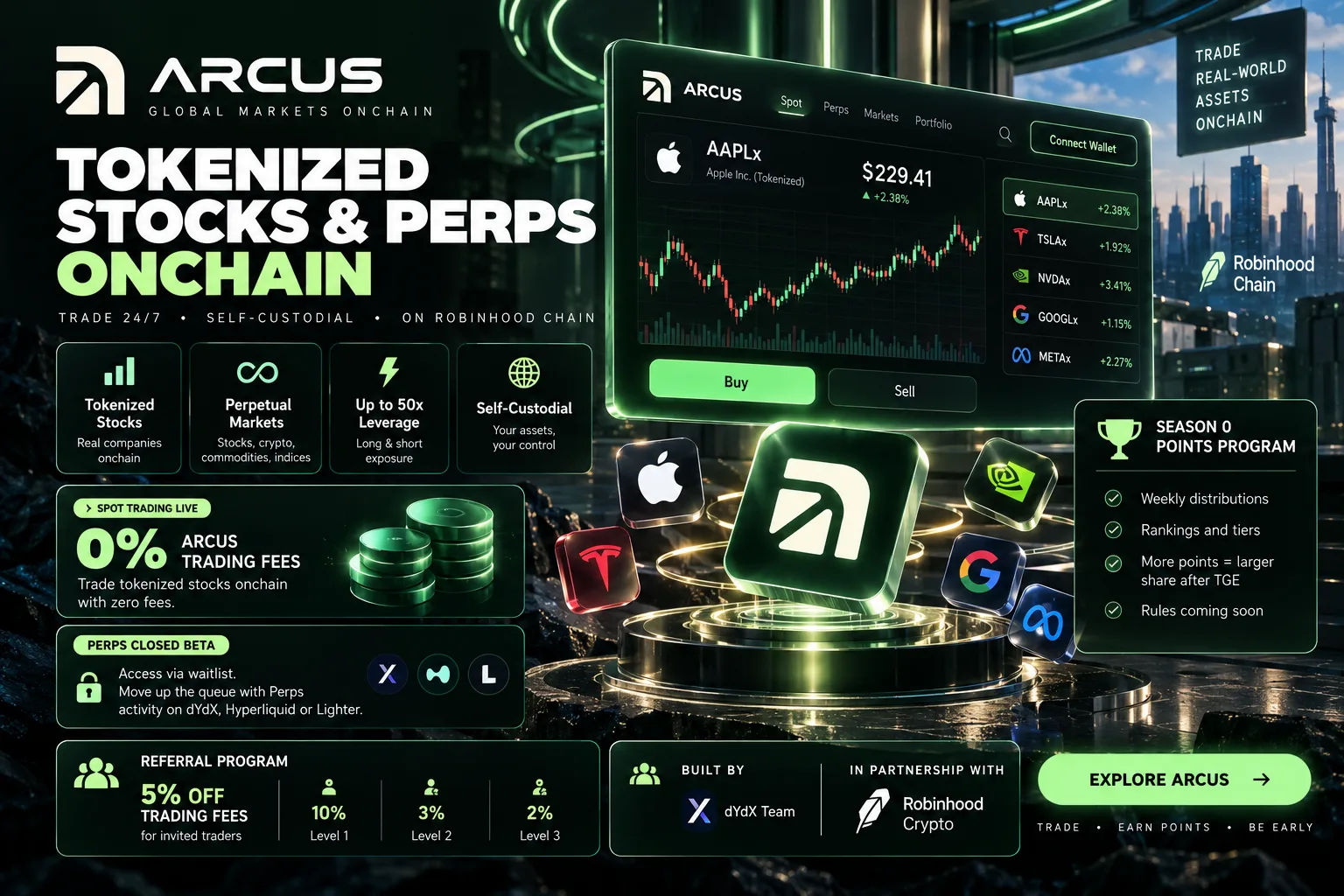
 Arcus Exchange
 JoinCare
 Breath of Estova
Impact on Airdrop Eligibility and Strategies
One of the most common questions following the bridge incident is whether withdrawing funds from an L2 bridge will affect airdrop eligibility. While each project has its own criteria, here are some general observations:
- Snapshot Timing: Many airdrops use on-chain snapshots to determine eligibility. If you withdraw before the snapshot, you may not qualify.
- Activity-Based Rewards: Some projects reward users based on transaction volume or frequency. Withdrawing funds may reduce your activity score.
- Safety First: Projects have stated that user safety is paramount, and some may adjust eligibility rules to account for the bridge failure.
For the latest updates on airdrop opportunities and eligibility, visit our regularly updated page on latest crypto airdrops.
What Crypto Users Should Do Next
If you currently have assets on an Ethereum L2 bridge, consider the following steps to protect your funds and stay informed:
- Check Official Updates: Visit the official website or social channels of the L2 project for real-time security updates and withdrawal instructions.
- Review Bridge Status: Use blockchain explorers or project dashboards to verify the operational status of the bridge and any pending withdrawals.
- Withdraw If Necessary: If advised by the project or if you are uncomfortable with the risk, initiate a withdrawal to Ethereum mainnet or a more secure L2.
- Document Transactions: Keep records of your transactions and withdrawal attempts in case you need to provide evidence for airdrop eligibility or support requests.
- Stay Cautious: Beware of phishing attempts and only use official links provided by the project.
For comprehensive safety tips, see our crypto safety guide.
Comparing Security Features: Top Ethereum L2 Bridges in 2026
| Bridge | Audit Status | Emergency Exit | Recent Incidents | Official Updates |
|---|---|---|---|---|
| Optimism Bridge | Audited (2026) | Yes | None | Active |
| Arbitrum Bridge | Audited (2026) | Yes (recently upgraded) | Minor delays (2026) | Active |
| zkSync Era Bridge | Audited (2025) | Planned | None | Active |
| Polygon zkEVM Bridge | Audited (2026) | Yes | None | Active |
This table summarizes the current security posture of leading Ethereum L2 bridges. Always verify the latest status before transferring significant funds.
Frequently Asked Questions (FAQ)
- What should I do if my funds are stuck on an Ethereum L2 bridge?
Contact the official support channels of the L2 project and monitor their updates. Do not interact with unofficial recovery services. - Are all Ethereum Layer 2 bridges equally risky?
No. Security varies by project, codebase, and operational practices. Review audits and community feedback before using any bridge. - How can I check if a bridge is safe before using it?
Look for recent audit reports, active developer communication, and emergency exit features. For more tips, see our crypto safety guide. - Will withdrawing from a bridge affect my airdrop eligibility?
It depends on the project’s snapshot timing and eligibility rules. Check official announcements and our latest crypto airdrops page for updates. - What are the warning signs of a potential bridge exploit?
Unusual withdrawal delays, unresponsive official channels, and sudden changes in smart contract code are red flags. Stay alert and verify information from multiple sources.
Key Takeaways
- The 2026 Ethereum L2 bridge failure has highlighted the importance of understanding rollup exit risk and bridge security.
- Users should prioritize fund safety, follow official project updates, and be aware of how withdrawals may impact airdrop eligibility.
- Comparing security features and audit status across bridges can help users make informed decisions.
- Stay vigilant for phishing attempts and always use official communication channels for support and updates.
For more in-depth guides and market analysis, visit our crypto guides and market analysis section.





 Gaming Platforms
 Crypto Casinos
 Blockchain Bridges
 Staking & Restaking
 DEX Token Swapping
 Crypto Wallets