
 BTC
BTC
 ETH
ETH
 USDT
USDT
 BNB
BNB
 XRP
XRP
 USDC
USDC
 SOL
SOL
 TRX
TRX
 ZEC
ZEC
 FIGR_HELOC
 HYPE
HYPE
 DOGE
DOGE
 LINK
LINK
 XMR
XMR
 WBT
WBT
 USDS
USDS
 ADA
ADA
 RAIN
RAIN
 LEO
LEO
 XLM
XLM
 NEAR
NEAR
 BCH
BCH
 UNI
UNI
 LTC
LTC
 CC
CC
 SUI
SUI
 USDE
USDE
 AVAX
AVAX
 DAI
DAI
 GRAM
GRAM
 USD1
USD1
 HBAR
HBAR
 QNT
QNT
 TAO
TAO
 SHIB
SHIB
 BTW
BTW
 CRO
CRO
 USDG
USDG
 PYUSD
PYUSD
 ENA
ENA
 ONDO
ONDO
 M
M
 XAUT
XAUT
 OKB
OKB
 RLUSD
RLUSD
 USYC
USYC
 AAVE
AAVE
 PUMP
PUMP
 BUIDL
BUIDL
 USDY
USDY
 MNT
MNT
 DOT
DOT
 WLD
WLD
 ASTER
ASTER
 SKY
SKY
 MORPHO
 PAXG
PAXG
 WLFI
WLFI
 PEPE
PEPE
 ICP
ICP
 USDD
USDD
 HTX
HTX
 ARB
ARB
 ETC
ETC
 EURSAFO
 U
U
 BGB
BGB
 USDGO
USDGO
 VVV
VVV
 USDF
USDF
 BFUSD
BFUSD
 KAS
KAS
 POL
POL
 JUP
JUP
 GT
GT
 LIT
LIT
 ALGO
ALGO
 CAKE
CAKE
 RENDER
 JST
JST
 PI
PI
 KCS
KCS
 ATOM
ATOM
 BCAP
BCAP
 FIL
FIL
 DASH
DASH
 NEXO
NEXO
 AERO
AERO
 VET
VET
 INJ
INJ
 USTB
USTB
 EUTBL
EUTBL
 APT
APT
 STABLE
 AKE
AKE
 GHO
GHO
 ETHFI
ETHFI
 XDC
XDC
 PYTH
PYTH
 PENGU
PENGU


White-hat operators have consolidated 52.37 BTC linked to July's Coldcard exploit into a recovery-trust address, according to Galaxy Digital research head Alex Thorn. Confirmed in Bitcoin block 967,948, the funds equal 2.8% of tracked exploit coins, while roughly 40% of the attack's second wave is now attributed to white-hat activity. That is the breakthrough. The unresolved problem is harder: how can victims prove rescued bitcoin belongs to them when control of affected private keys is no longer exclusive?
For practical risk controls, review AirdropHotList's crypto safety guide.
The same flaw enabled both the theft and the rescue
The Coldcard incident was not a conventional remote compromise. Attackers did not need to seize a device, intercept a transaction or trick owners into revealing their recovery phrases. A firmware defect weakened the randomness used to create certain wallet seeds, making the corresponding private keys reproducible through offline computation.
Coinkite's official security advisory says affected Mk2 and Mk3 seeds had roughly 40 bits of effective entropy instead of the intended 128 bits. Seeds generated on affected Mk4, Mk5 and Q firmware had about 72 bits. The company says the devices themselves were not remotely taken over; attackers regenerated vulnerable keys and used them to spend funds.
That mechanism created a grim symmetry. The same weakness that let criminals identify and sweep exposed wallets also allowed defensive researchers to find funded addresses and move the bitcoin first. In this case, the white hats effectively used an attacker's capability for evacuation rather than theft.
Before connecting a wallet or approving any transaction, slow down and verify the source. Our crypto safety guide explains how to avoid fake claim pages, phishing links, risky approvals, and common wallet mistakes.
A 52-BTC victory remains small against the loss ledger
Thorn said the latest consolidation combined bitcoin associated with Wave 2 and three additional clusters labeled AA, AU and AX. The transaction included an OP_RETURN message pointing affected owners toward the Crypto Recovery Trust. A further 3.0134 BTC without a previous tracking history reached the trust address, although Thorn described its Coldcard connection as probable rather than confirmed.
The recovery is meaningful, but it should not be confused with a broad reversal of the hack. Galaxy Research reported on August 14 that it had confirmed 1,778.84 BTC stolen from more than 8,600 addresses after speaking directly with 190 victims. At that point, 1,531 BTC remained unmoved in attacker-controlled addresses.
Movement has since increased. By September 7, Galaxy estimated that approximately 18% of bitcoin attributed to the Coldcard attacks had moved, including funds routed through THORChain and CoinJoin transactions. That creates a widening gap between recoverable coins and assets entering obfuscation channels: every additional laundering step can make intervention by exchanges, investigators or law enforcement less likely.
If this opportunity involves trading, deposits, or exchange activity, review our crypto trading guide for beginners to understand fees, risk control, and safer decision-making.
The recovery trust solves custody, not identity
Removing vulnerable bitcoin from an exposed address answers only the first question: who can stop the next attacker? It does not establish who should receive the assets or whether a person submitting a claim was the lawful owner before the rescue.
Digital Asset Recovery Technologies, or DART, said in August that it and independent researchers had already secured more than 50 BTC during the incident. Rather than leave the coins in a researcher's wallet, the group placed them in the Crypto Recovery Trust, a Wyoming statutory trust established to segregate recovered assets and create a documented restitution process.
DART says the process includes chain-of-custody checks, blockchain analysis, ownership diligence, exchange-record reviews, sanctions screening and notice efforts. Verified owners can pursue a return, while disputed, restricted or unresolved assets must follow the relevant legal channel.
That procedure matters because possession of an affected private key may be weaker evidence than it would be in an ordinary Bitcoin ownership dispute. The defining feature of this exploit is that unauthorized parties could reconstruct the same keys. A valid signature might prove present control, but not necessarily exclusive control before the hack. The trust's emphasis on transaction history, exchange records and supporting documentation appears designed to close that evidentiary gap.
If you prefer curated opportunities instead of browsing everything manually, check our featured airdrops and compare higher-signal campaigns first.
Bitcoin's self-custody paradox is now impossible to ignore
The Coldcard failure exposes a sharper risk model than the familiar exchange-versus-wallet debate. Users removed exchange counterparty risk by holding their own keys, only to encounter implementation risk at the moment those keys were generated. The emergency recovery then reintroduced a legal and fiduciary intermediary to determine how the rescued property should be returned.
That does not invalidate self-custody. It shows that self-custody is a system, not a device. Seed entropy, firmware provenance, backups, signing policy and wallet architecture all sit inside the security boundary. Galaxy's analysis found no theft transaction that drained a multisignature wallet during the incident, suggesting that distributing control across independent keys avoided the single point of failure that exposed single-signature users.
Multisig brings its own operational and recovery complexity, so the lesson is not that one configuration is universally safe. The decision point is whether a meaningful Bitcoin balance depends on one seed, one device implementation and one vendor's code path-or whether those risks are deliberately separated.
 Kryvora Network
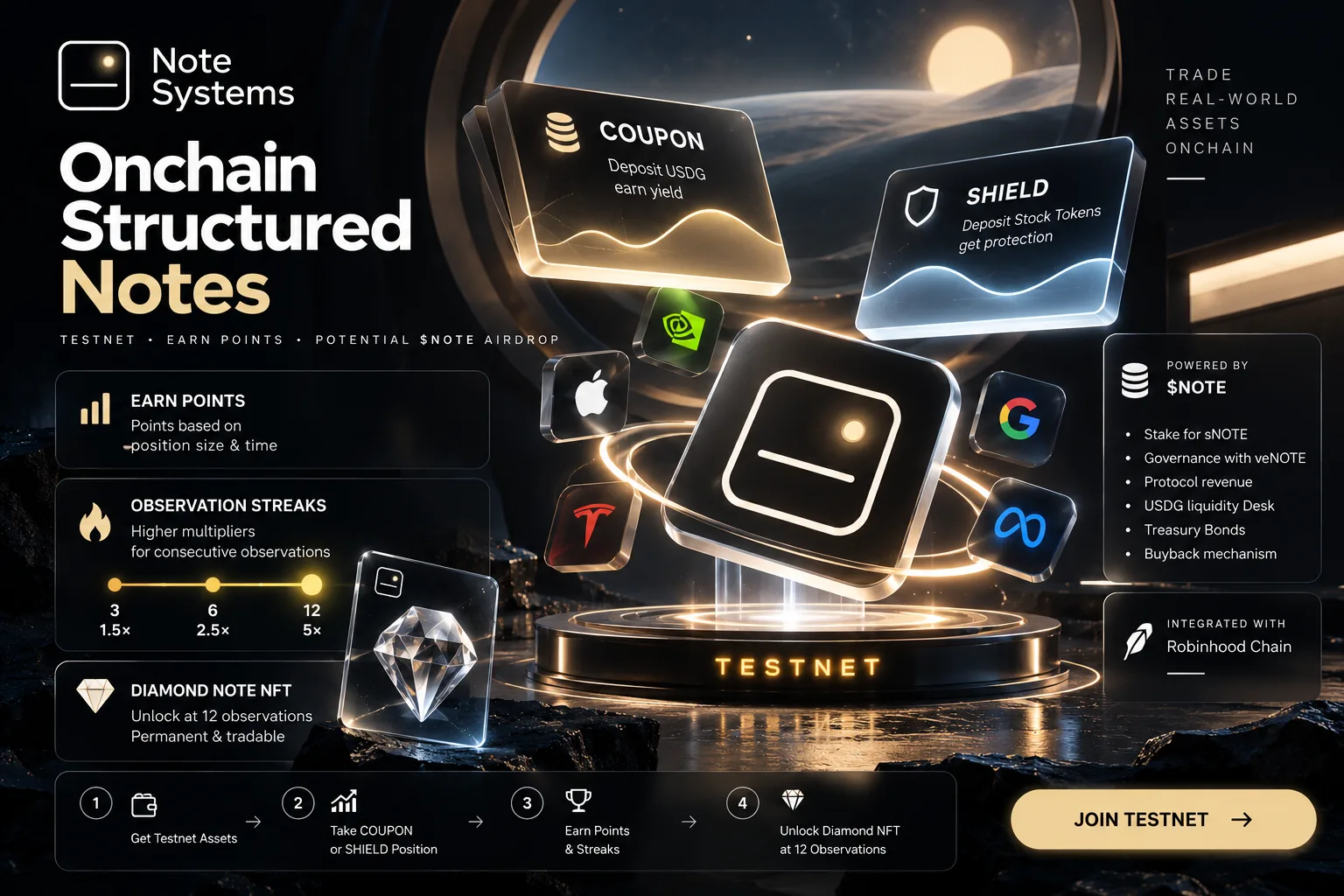
 Note Systems
 Nado
Nado
A firmware update cannot repair an exposed seed
Coinkite has released fixed firmware across the affected product lines and currently recommends standard firmware 5.6.2 for Mk4 and Mk5 devices and 1.5.2Q for the Coldcard Q. However, both its advisory and living security status page stress that updating a device does not make an existing vulnerable seed safe.
An affected owner must generate an entirely new seed using fixed firmware, verify the backup and receive address, complete a small test transfer and then migrate the remaining balance. Treating a firmware upgrade as sufficient leaves the old private keys reproducible-and the underlying funds exposed-even if the physical device now runs corrected software.
Conclusion: Four signals will show whether the rescue can scale
The 52.37-BTC transfer proves that defenders won at least part of the race. It does not yet prove that crypto can consistently convert emergency white-hat sweeps into timely restitution. Success now depends less on key reconstruction and more on evidence, custody discipline and transparent claims handling.
- Verified distributions: Confirmation that the trust has returned bitcoin to owners, not merely received and segregated it.
- Claim standards: Clear disclosure of the evidence required when a compromised key cannot establish exclusive historical ownership.
- Attacker movement: Whether the large balances still sitting in identified wallets remain dormant or move into mixers, bridges or exchanges.
- Additional rescues: New white-hat transfers would confirm the 52-BTC evacuation is a repeatable recovery model rather than a one-off win.





 Gaming Platforms
 Crypto Casinos
 Blockchain Bridges
 Staking & Restaking
 DEX Token Swapping
 Crypto Wallets