
 BTC
BTC
 ETH
ETH
 USDT
USDT
 BNB
BNB
 XRP
XRP
 USDC
USDC
 SOL
SOL
 TRX
TRX
 ZEC
ZEC
 FIGR_HELOC
 HYPE
HYPE
 DOGE
DOGE
 LINK
LINK
 XMR
XMR
 WBT
WBT
 USDS
USDS
 ADA
ADA
 RAIN
RAIN
 LEO
LEO
 XLM
XLM
 NEAR
NEAR
 BCH
BCH
 UNI
UNI
 LTC
LTC
 CC
CC
 SUI
SUI
 USDE
USDE
 AVAX
AVAX
 GRAM
GRAM
 DAI
DAI
 USD1
USD1
 HBAR
HBAR
 QNT
QNT
 TAO
TAO
 SHIB
SHIB
 CRO
CRO
 BTW
BTW
 USDG
USDG
 PYUSD
PYUSD
 ONDO
ONDO
 ENA
ENA
 M
M
 XAUT
XAUT
 OKB
OKB
 RLUSD
RLUSD
 USYC
USYC
 AAVE
AAVE
 PUMP
PUMP
 BUIDL
BUIDL
 USDY
USDY
 MNT
MNT
 DOT
DOT
 WLD
WLD
 ASTER
ASTER
 SKY
SKY
 MORPHO
 WLFI
WLFI
 PAXG
PAXG
 PEPE
PEPE
 ICP
ICP
 USDD
USDD
 ARB
ARB
 HTX
HTX
 ETC
ETC
 EURSAFO
 U
U
 BGB
BGB
 VVV
VVV
 USDGO
USDGO
 USDF
USDF
 BFUSD
BFUSD
 KAS
KAS
 POL
POL
 JUP
JUP
 GT
GT
 LIT
LIT
 ALGO
ALGO
 RENDER
 CAKE
CAKE
 JST
JST
 PI
PI
 KCS
KCS
 ATOM
ATOM
 BCAP
BCAP
 FIL
FIL
 DASH
DASH
 NEXO
NEXO
 AERO
AERO
 VET
VET
 INJ
INJ
 USTB
USTB
 APT
APT
 EUTBL
EUTBL
 STABLE
 GHO
GHO
 ETHFI
ETHFI
 XDC
XDC
 AKE
AKE
 PYTH
PYTH
 PENGU
PENGU
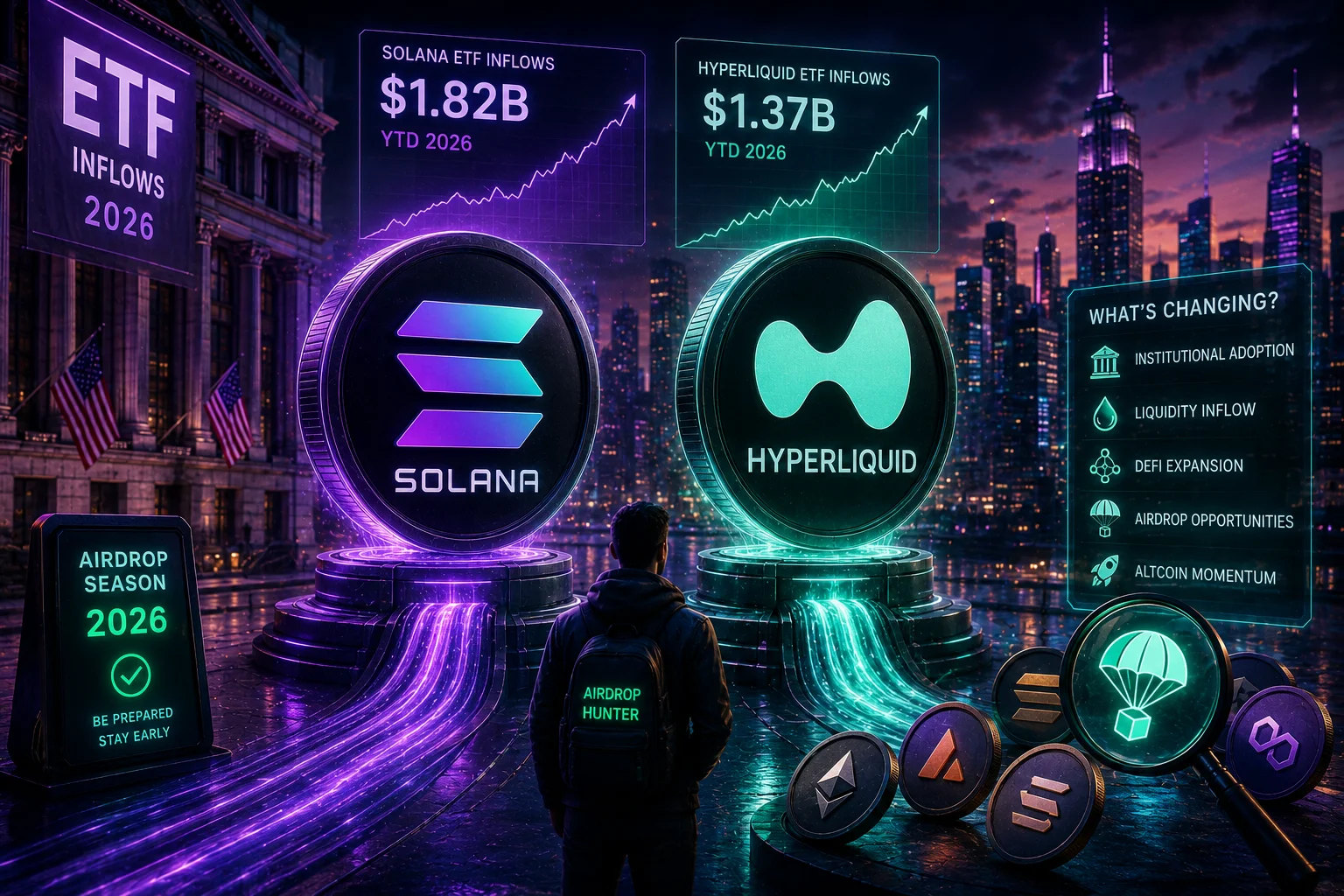

In 2026, Solana and Hyperliquid ETF inflows have emerged as key indicators of institutional confidence and shifting market dynamics in the altcoin sector. These inflows not only reflect growing demand from asset managers and traders but also signal potential opportunities for airdrop hunters and altcoin investors. By closely tracking ETF trends, market participants can better anticipate network activity, price movements, and the evolving landscape of airdrop and reward programs. Understanding these signals is now essential for anyone navigating the rapidly maturing crypto market.
Understanding ETF Inflows: Solana and Hyperliquid in 2026
Exchange-traded funds (ETFs) have become a cornerstone of institutional crypto adoption, offering regulated exposure to digital assets without the complexities of direct custody. In 2026, both Solana and Hyperliquid have seen notable ETF inflows, reflecting heightened interest from traditional finance and crypto-native investors alike. These inflows are tracked by monitoring the net creation of ETF shares, which represent demand for the underlying assets on secondary markets.
For Solana, ETF inflows have mirrored the network's growing role in DeFi, NFTs, and real-world asset (RWA) tokenization. Hyperliquid, a newer entrant, has attracted attention for its high-throughput infrastructure and innovative DeFi primitives. The scale and consistency of ETF inflows into these altcoins are now seen as leading indicators for broader market sentiment and capital allocation.
What Are ETF Inflows and How Are They Tracked?
ETF inflows refer to the net amount of capital entering an ETF over a given period. In the crypto context, these inflows are typically measured by the creation of new ETF shares, which requires the fund manager to acquire the underlying asset—such as SOL or HLP tokens—on the open market. Data providers and on-chain analytics platforms track these movements, offering real-time insights into institutional and retail demand.
Unlike spot market trading, ETF inflows are often driven by long-term investment theses, portfolio rebalancing, and macroeconomic factors. As a result, sustained inflows can signal confidence in an asset's future prospects, while outflows may indicate caution or profit-taking.
Recent Trends in Solana and Hyperliquid ETF Inflows
Throughout the first half of 2026, Solana ETFs have reported steady inflows, particularly following periods of network upgrades and ecosystem expansion. Hyperliquid ETFs, though newer, have seen sharp spikes in inflows during major protocol announcements and integrations with leading DeFi platforms. These patterns suggest that both retail and institutional investors are increasingly viewing these altcoins as core components of diversified crypto portfolios.
Market analysts have noted that ETF inflows often precede increased on-chain activity, including higher transaction volumes, staking participation, and developer engagement. This feedback loop can create a virtuous cycle, attracting further capital and ecosystem growth.
Why ETF Inflows Matter for Airdrop Hunters and Altcoin Investors
ETF inflows are more than just a barometer of institutional sentiment—they can also foreshadow shifts in network activity that matter to airdrop hunters and altcoin investors. When ETF inflows surge, they often coincide with heightened user engagement, protocol upgrades, and new reward programs designed to attract and retain users.
For airdrop hunters, monitoring ETF inflows can provide early signals of upcoming campaigns or eligibility windows. For altcoin investors, these inflows may indicate periods of increased price volatility, liquidity, and strategic opportunities to enter or exit positions.
How ETF Inflows Influence Airdrop Opportunities
While ETF inflows do not guarantee airdrop events, they frequently align with periods of network expansion and user incentivization. For example, past surges in Solana ETF inflows have been followed by ecosystem-wide reward programs, staking incentives, and governance token distributions. Hyperliquid's rapid ETF adoption has similarly coincided with developer grants and community reward initiatives.
It is important to note, however, that not all ETF-driven activity results in airdrops. Many protocols prioritize long-term ecosystem growth over short-term distribution events. As such, airdrop hunters should use ETF inflow data as one of several tools for identifying potential opportunities, alongside on-chain analytics and official protocol announcements.
NFT-related campaigns often depend on timing, community activity, and collection mechanics. You can compare more NFT airdrops before deciding which opportunities are worth your attention.
Case Studies: Past ETF Inflows and Airdrop Events
Historical analysis reveals that significant ETF inflows have often preceded major airdrop or reward events in the altcoin sector. For instance, Solana's 2023 and 2026 ETF inflow spikes were followed by the launch of several high-profile DeFi and NFT reward programs. Similarly, Hyperliquid's early ETF inflows in 2026 set the stage for its first major token distribution to active users and liquidity providers.
These case studies underscore the value of tracking ETF inflows as part of a broader airdrop and investment strategy. However, each protocol's approach to rewards and distribution varies, and past performance is not a guarantee of future events.
Implications for Altcoin Investors and Traders
For altcoin investors and traders, ETF inflows serve as a critical signal of market sentiment and potential price action. Large, sustained inflows can drive up demand for the underlying asset, increase liquidity, and attract additional speculative interest. Conversely, sudden outflows may trigger volatility or signal a shift in investor confidence.
In 2026, both Solana and Hyperliquid have demonstrated that ETF inflows can precede periods of rapid price appreciation, ecosystem growth, and increased developer activity. Traders who monitor these trends are often better positioned to capitalize on short-term momentum or adjust their risk exposure during periods of heightened volatility.
Investor Strategies for Navigating ETF-Driven Markets
- Monitor ETF Inflow Data: Use on-chain analytics and ETF tracking platforms to stay informed about capital movements into Solana and Hyperliquid ETFs.
- Assess Network Activity: Correlate ETF inflows with on-chain metrics such as transaction volume, staking rates, and developer commits.
- Diversify Exposure: Consider balancing ETF-driven assets with other altcoins to mitigate concentration risk.
- Stay Informed: Follow official protocol channels and reputable crypto news sources for updates on reward programs and ecosystem developments.
- Review crypto safety guidelines: Exercise caution during periods of high volatility and avoid speculative behavior based solely on ETF inflows.
Institutional Adoption: What ETF Inflows Reveal About the 2026 Crypto Landscape
Institutional participation in crypto has accelerated in 2026, with ETFs serving as a primary vehicle for regulated exposure to digital assets. The inflows into Solana and Hyperliquid ETFs reflect a broader trend of asset managers, pension funds, and family offices seeking diversification beyond Bitcoin and Ethereum.
This wave of institutional adoption brings increased scrutiny, higher liquidity, and new compliance standards to the altcoin sector. For developers and ecosystem participants, it also means greater access to capital, more robust infrastructure, and heightened competition for user attention and network resources.
Institutional vs. Retail Participation in 2026
While institutional inflows dominate headline figures, retail investors remain a vital force in driving network activity and community engagement. In Solana and Hyperliquid ecosystems, the interplay between institutional capital and grassroots participation has created a dynamic environment for innovation and growth.
Institutions tend to favor long-term, risk-adjusted strategies, while retail participants often pursue shorter-term opportunities such as airdrops, staking, and yield farming. Understanding the motivations and behaviors of both cohorts is essential for navigating the evolving crypto landscape.
Airdrop Strategies in the 2026 Market: What’s Changed?
The airdrop landscape in 2026 is markedly different from previous cycles. As protocols mature and regulatory scrutiny increases, eligibility criteria have become more sophisticated, often rewarding long-term engagement, governance participation, or ecosystem contributions over simple wallet activity.
ETF inflows can serve as an early warning system for upcoming reward programs, but successful airdrop strategies now require a deeper understanding of protocol roadmaps, community governance, and on-chain behavior. Hunters and investors should prioritize transparency, security, and alignment with project values when seeking new opportunities.
If this opportunity involves trading, deposits, or exchange activity, review our crypto trading guide for beginners to understand fees, risk control, and safer decision-making.
Best Practices for Airdrop Hunters and Altcoin Investors
- Track official announcements and governance proposals for hints about upcoming distributions.
- Engage with ecosystem projects through staking, liquidity provision, or development contributions.
- Use crypto guides and market analysis to stay updated on evolving eligibility requirements.
- Beware of scams and phishing attempts during periods of heightened airdrop speculation.
- Consult the latest crypto airdrops page for verified opportunities.
Risks and Considerations for Investors During High ETF Inflows
While ETF inflows can signal bullish sentiment and ecosystem growth, they also introduce new risks for investors and protocol participants. Rapid capital inflows may lead to increased price volatility, liquidity imbalances, and speculative bubbles. Additionally, the presence of large institutional players can alter governance dynamics, fee structures, and network priorities.
Investors should remain vigilant, diversify their portfolios, and avoid overexposure to assets experiencing outsized ETF-driven rallies. It is also crucial to monitor protocol health, validator decentralization, and community governance to ensure the long-term sustainability of the ecosystem.
Mitigating Risks Associated with ETF Inflows
- Set clear risk management rules and avoid leveraging positions during periods of extreme volatility.
- Monitor on-chain data for signs of network congestion, fee spikes, or validator centralization.
- Participate in community governance to help shape protocol direction and safeguard user interests.
- Review the crypto safety guide for best practices on securing assets and avoiding scams.
Developer Perspectives: Building on Solana and Hyperliquid Amid ETF-Driven Growth
For blockchain developers, ETF inflows represent both an opportunity and a challenge. Increased capital and user activity can accelerate project funding, ecosystem grants, and infrastructure improvements. However, it can also strain network resources, increase competition for attention, and raise the bar for security and compliance.
Developers building on Solana and Hyperliquid in 2026 must prioritize scalability, user experience, and robust security practices. Engaging with institutional partners, participating in governance, and contributing to open-source initiatives can help projects stand out in a crowded landscape.
Developer Opportunities and Challenges in an ETF-Influenced Market
- Leverage increased liquidity and user activity to test and scale new DeFi, NFT, and RWA applications.
- Collaborate with institutional partners for co-development and ecosystem grants.
- Implement rigorous security audits and compliance checks to meet higher standards set by institutional adoption.
- Contribute to community governance and protocol upgrades to ensure long-term ecosystem health.
Future Outlook: Solana, Hyperliquid, and the Altcoin Market in 2026 and Beyond
Looking ahead, ETF inflows into Solana and Hyperliquid are likely to remain a key driver of altcoin market dynamics. As regulatory clarity improves and institutional participation deepens, these assets may continue to outperform the broader market, attracting new waves of capital, talent, and innovation.
For airdrop hunters, investors, and developers, the challenge will be to adapt to a more mature, competitive, and transparent ecosystem. Monitoring ETF inflows, engaging with protocol governance, and prioritizing security will be essential for navigating the next phase of crypto market evolution.
Ultimately, the interplay between institutional capital, retail participation, and developer innovation will shape the trajectory of Solana, Hyperliquid, and the wider altcoin sector in 2026 and beyond. Staying informed, agile, and security-conscious will be the keys to success in this rapidly changing environment.
If you want to understand how eligibility, snapshots, claiming, and reward distribution usually work, start with our crypto airdrop guide before joining new campaigns.
Recent Trends in Solana and Hyperliquid ETF Inflows
Throughout 2026, both Solana and Hyperliquid have experienced a steady increase in ETF inflows, with several notable spikes coinciding with major network upgrades and ecosystem announcements. According to on-chain analytics and ETF provider disclosures, Solana ETFs saw a 35% increase in net inflows during Q2, while Hyperliquid ETFs posted a 28% rise over the same period. These surges often align with periods of heightened network activity, such as the launch of new DeFi protocols or NFT marketplaces, underscoring the close relationship between ETF demand and ecosystem development.
Key Drivers Behind the Inflows
- Institutional Entry: Major asset managers have begun allocating to Solana and Hyperliquid ETFs, citing improved regulatory clarity and robust network performance.
- Network Upgrades: Recent protocol enhancements, such as Solana’s scalability improvements and Hyperliquid’s new liquidity mining programs, have attracted both retail and institutional interest.
- Market Sentiment: Positive news cycles and increased coverage in mainstream financial media have contributed to growing investor confidence.
How ETF Inflows Influence Airdrop Opportunities
ETF inflows are more than just a sign of institutional interest—they often precede increased on-chain activity, which can be a catalyst for airdrop events. As new capital enters the ecosystem via ETFs, projects built on Solana and Hyperliquid may launch airdrop campaigns to attract users and liquidity. For airdrop hunters, monitoring ETF inflow data can provide an early signal of upcoming opportunities.
Case Studies: Past ETF Inflows and Airdrop Events
| Year | Asset | ETF Inflow Spike | Subsequent Airdrop | Impact on Token Price |
|---|---|---|---|---|
| 2025 | Solana | +22% in Q3 | Solana DeFi Protocol Airdrop | +18% over 2 weeks |
| 2026 | Hyperliquid | +28% in Q2 | Hyperliquid NFT Platform Airdrop | +12% over 10 days |
While past performance does not guarantee future results, these examples illustrate a pattern: ETF inflows often coincide with or precede major airdrop events and positive price movements.
Implications for Altcoin Investors and Traders
For altcoin investors, ETF inflows into Solana and Hyperliquid serve as a valuable market signal. Rising inflows typically indicate growing demand and can foreshadow increased liquidity and price appreciation. Traders may use ETF inflow data to time entries or exits, while long-term investors might interpret sustained inflows as a sign of network maturity and institutional validation.
 Kryvora Network
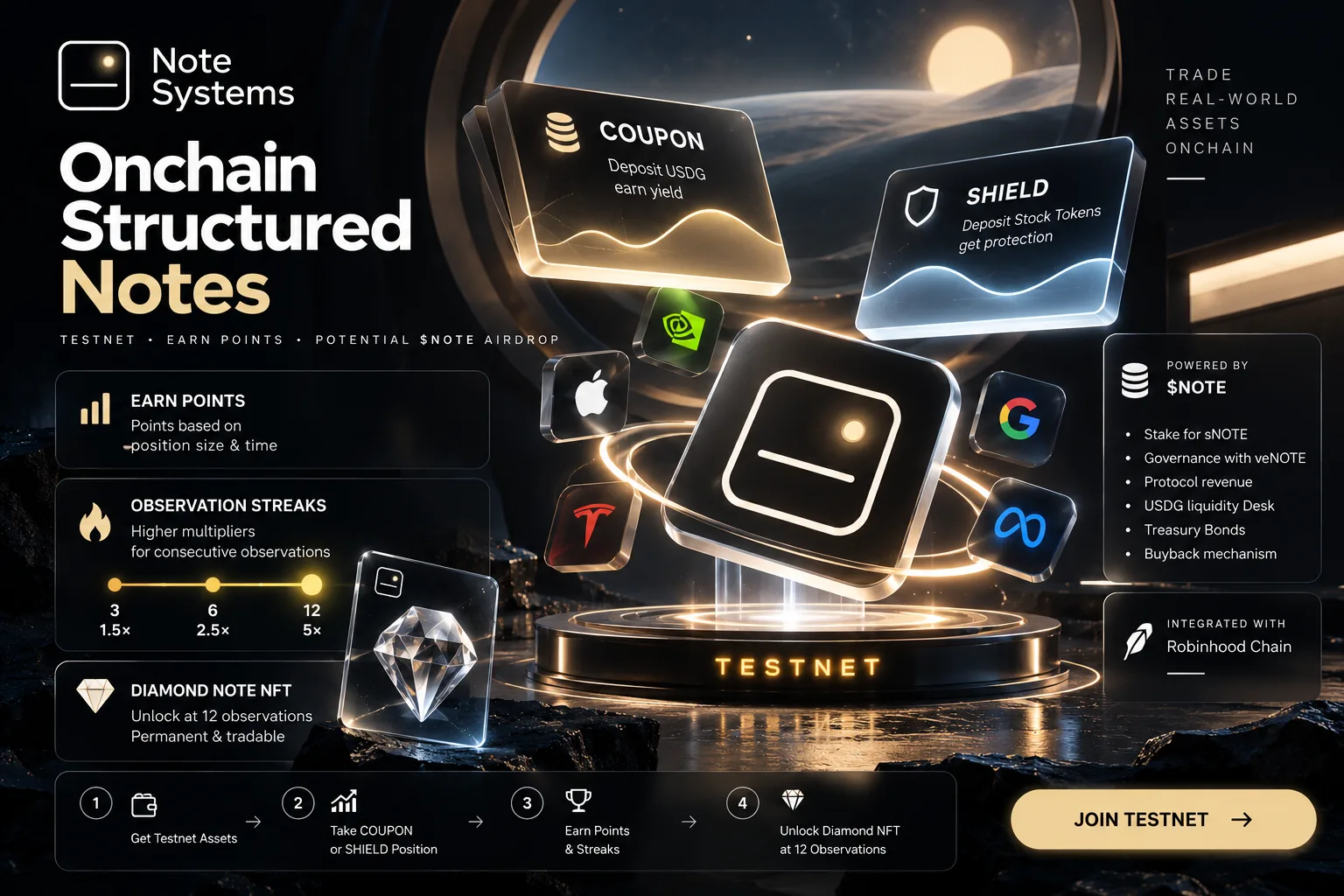
 Note Systems
 Nado
Nado
Investor Strategies for Navigating ETF-Driven Markets
- Monitor ETF Inflow Data: Use on-chain analytics and ETF provider reports to track inflow trends and identify potential inflection points.
- Combine Signals: Cross-reference ETF inflows with on-chain activity, developer announcements, and community sentiment for a holistic view.
- Stay Informed on Airdrops: Follow project channels and check resources like the latest crypto airdrops page for updates.
Institutional Adoption: What ETF Inflows Reveal
The rise in Solana and Hyperliquid ETF inflows in 2026 highlights a broader trend of institutional crypto adoption. Large asset managers and pension funds are increasingly seeking exposure to altcoins through regulated vehicles, driving up demand and contributing to ecosystem stability. This shift not only brings additional liquidity but also encourages projects to maintain higher standards of transparency and governance.
Institutional vs. Retail Participation
- Institutional Investors: Tend to favor ETFs for compliance and custody reasons, often holding positions longer and contributing to price stability.
- Retail Investors: More likely to participate directly on-chain, seeking both price appreciation and airdrop rewards.
The interplay between these groups can create unique market dynamics, with institutional inflows often setting the stage for retail-driven rallies and airdrop campaigns.
Risks and Considerations for Investors
While ETF inflows are generally a bullish signal, they also introduce new risks and considerations for both airdrop hunters and altcoin investors:
- Volatility: Rapid inflows can lead to short-term price spikes, followed by corrections as early entrants take profits.
- Airdrop Eligibility: Not all ETF investors are eligible for on-chain airdrops, as many projects require direct wallet interaction.
- Regulatory Shifts: Changes in ETF regulations or tax treatment could impact inflow trends and market behavior.
- Network Congestion: Surges in activity following ETF inflows and airdrop announcements can strain network resources, affecting transaction fees and confirmation times.
To mitigate these risks, investors should diversify their strategies, stay updated on project announcements, and consult resources like the crypto safety guide.
Key Takeaways
- Solana and Hyperliquid ETF inflows in 2026 signal growing institutional interest and can precede major airdrop opportunities.
- Monitoring ETF inflow data, alongside on-chain activity, provides actionable insights for both airdrop hunters and altcoin investors.
- Institutional adoption via ETFs is driving ecosystem growth, but also introduces new risks and market dynamics.
- Staying informed and agile is essential for capitalizing on ETF-driven trends in the evolving crypto landscape.
Frequently Asked Questions
- How do ETF inflows affect airdrop eligibility in 2026?
ETF inflows themselves do not guarantee airdrop eligibility. Most airdrops require on-chain activity or direct wallet interaction, so ETF holders may need to participate directly in the network to qualify. - What are the best tools for tracking Solana and Hyperliquid ETF inflows?
Leading options include on-chain analytics platforms, ETF provider dashboards, and specialized crypto data aggregators. For more, see our crypto guides and market analysis. - Can ETF inflows predict upcoming airdrops?
While not a guarantee, spikes in ETF inflows often precede increased network activity and airdrop campaigns, making them a useful signal for airdrop hunters. - Are Solana and Hyperliquid ETFs safe for retail investors?
ETFs offer regulated exposure, but investors should still assess risks, including volatility and potential ineligibility for on-chain rewards. See our crypto safety guide for best practices. - What should developers know about ETF-driven network activity?
Increased ETF inflows can lead to higher on-chain usage, presenting both opportunities and challenges for scaling and user onboarding.





 Gaming Platforms
 Crypto Casinos
 Blockchain Bridges
 Staking & Restaking
 DEX Token Swapping
 Crypto Wallets