
 BTC
BTC
 ETH
ETH
 USDT
USDT
 BNB
BNB
 XRP
XRP
 USDC
USDC
 SOL
SOL
 TRX
TRX
 FIGR_HELOC
 ZEC
ZEC
 HYPE
HYPE
 DOGE
DOGE
 XMR
XMR
 USDS
USDS
 WBT
WBT
 LINK
LINK
 LEO
LEO
 ADA
ADA
 NEAR
NEAR
 XLM
XLM
 RAIN
RAIN
 BCH
BCH
 USDE
USDE
 DAI
DAI
 UNI
UNI
 LTC
LTC
 CC
CC
 AVAX
AVAX
 USD1
USD1
 SUI
SUI
 GRAM
GRAM
 HBAR
HBAR
 XAUT
XAUT
 USDG
USDG
 QNT
QNT
 PYUSD
PYUSD
 SHIB
SHIB
 TAO
TAO
 ENA
ENA
 CRO
CRO
 RLUSD
RLUSD
 USYC
USYC
 USDY
USDY
 OKB
OKB
 M
M
 BUIDL
BUIDL
 AAVE
AAVE
 ONDO
ONDO
 PUMP
PUMP
 USDF
USDF
 PEPE
PEPE
 BTW
BTW
 EURSAFO
 PAXG
PAXG
 ASTER
ASTER
 USDD
USDD
 DOT
DOT
 WLFI
WLFI
 MNT
MNT
 WLD
WLD
 U
U
 SKY
SKY
 ICP
ICP
 MORPHO
 HTX
HTX
 BFUSD
BFUSD
 BGB
BGB
 USDGO
USDGO
 VVV
VVV
 ETC
ETC
 ARB
ARB
 JST
JST
 KCS
KCS
 GT
GT
 KAS
KAS
 POL
POL
 ALGO
ALGO
 JUP
JUP
 RENDER
 ATOM
ATOM
 PI
PI
 OUSD
OUSD
 NEXO
NEXO
 INJ
INJ
 LIT
LIT
 FIL
FIL
 USTB
USTB
 AKE
AKE
 GHO
GHO
 ZRO
ZRO
 CAKE
CAKE
 DASH
DASH
 NIGHT
NIGHT
 XDC
XDC
 PEARL
PEARL
 ETHFI
ETHFI
 APT
APT
 PYTH
PYTH
 BDX
BDX
 STX
STX
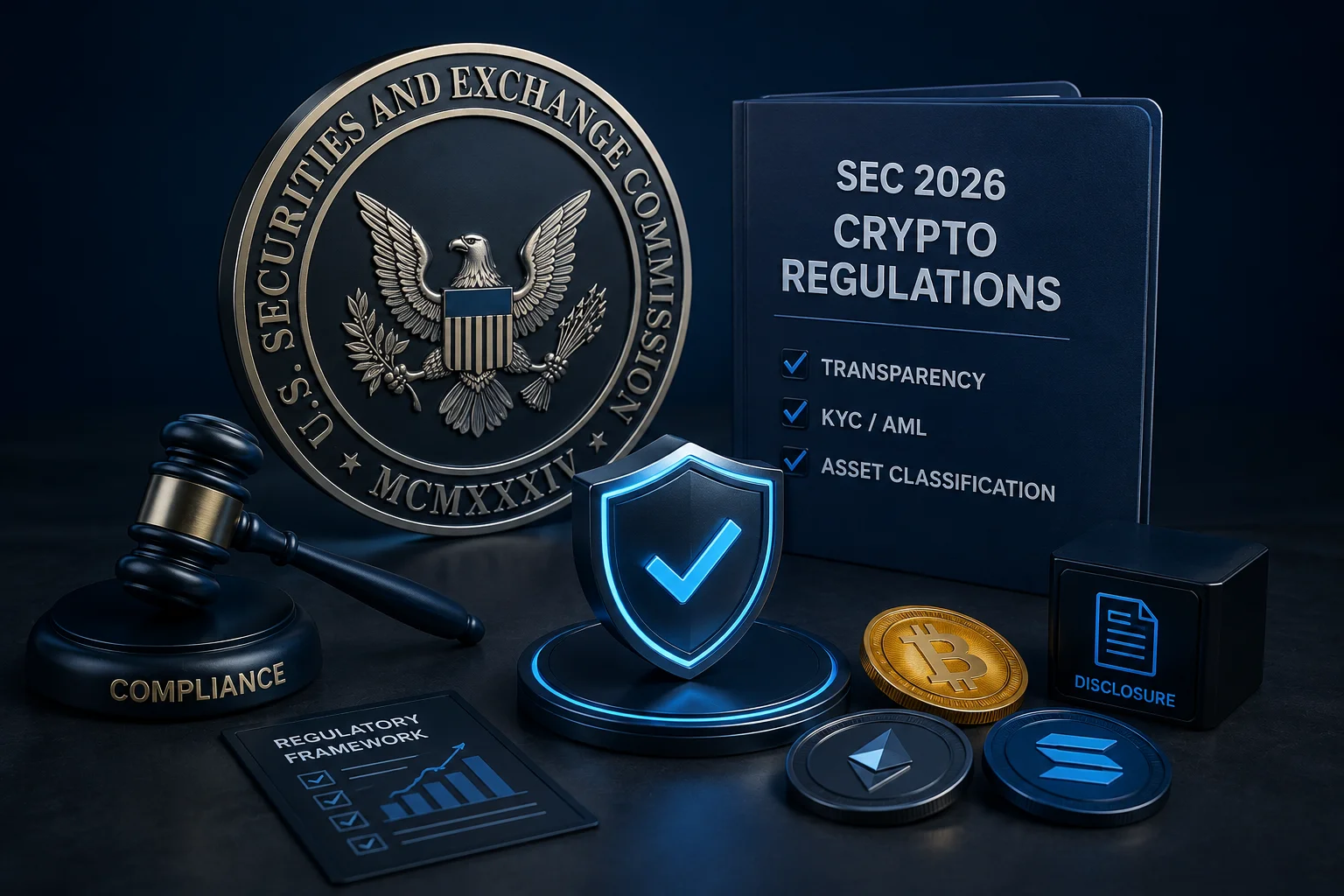

The SEC’s 2026 crypto regulations mark a watershed moment for digital assets in the United States, introducing sweeping changes for DeFi platforms, investors, and institutions. The new rules demand enhanced transparency, stricter KYC/AML controls, and clear asset classifications. DeFi projects must overhaul compliance frameworks, while investors face new disclosure and reporting obligations. Airdrops now require detailed documentation. Staying informed and proactive is critical for anyone navigating the evolving crypto landscape in 2026.
Overview of the SEC’s 2026 Crypto Regulations
The U.S. Securities and Exchange Commission (SEC) has finalized its 2026 crypto regulations, setting a new standard for digital asset oversight. These rules, years in the making, aim to address the rapid evolution of decentralized finance (DeFi), the proliferation of new tokens, and the growing participation of both retail and institutional investors. The 2026 framework builds on earlier guidance but introduces significant new requirements for compliance, reporting, and investor protection.
Key highlights include:
- Expanded definitions of digital assets and securities
- Mandatory Know Your Customer (KYC) and Anti-Money Laundering (AML) protocols for DeFi platforms
- Clearer reporting and disclosure rules for token distributions, including airdrops
- Enhanced investor protection standards
- New obligations for institutional market participants
For the broader crypto market, these changes signal the SEC’s intent to bring digital assets closer to the regulatory rigor of traditional finance, while still allowing for innovation and growth.
Historical Context: How SEC Crypto Rules Have Evolved
To understand the significance of the 2026 regulations, it’s important to trace the SEC’s evolving approach to crypto. In the late 2010s and early 2020s, the SEC focused on enforcement actions against unregistered securities offerings and fraudulent ICOs. By 2023, the agency began issuing more formal guidance, but the regulatory landscape remained fragmented and uncertain.
Throughout 2026 and 2026, growing institutional interest and high-profile DeFi exploits prompted calls for clearer rules. The SEC responded with a series of proposed frameworks, culminating in the comprehensive 2026 regulations. These rules reflect lessons learned from past enforcement, industry feedback, and international regulatory trends.
Key Changes Affecting DeFi Platforms
DeFi platforms are at the heart of the SEC’s 2026 crypto regulations. The new rules require any protocol facilitating the trading, lending, or issuance of digital assets to implement robust compliance measures. This includes:
- Mandatory KYC/AML: All users must undergo identity verification, with protocols responsible for ongoing monitoring and suspicious activity reporting.
- Smart Contract Auditing: Regular third-party audits are now required, with results disclosed to users and regulators.
- Governance Transparency: DAOs and decentralized governance structures must register with the SEC and provide clear documentation of decision-making processes.
- Asset Classification: Protocols must classify tokens according to SEC definitions and register securities where applicable.
For DeFi teams, these requirements mean significant operational changes, new legal obligations, and increased costs. However, compliance may also open doors to institutional partnerships and mainstream adoption.
Major Compliance Requirements for DeFi in 2026
The SEC’s 2026 framework introduces a detailed compliance checklist for DeFi projects. Key steps include:
- Implementing automated KYC onboarding and ongoing AML monitoring
- Maintaining a transparent audit trail of all protocol upgrades and governance votes
- Registering with the SEC if facilitating the trading of assets deemed securities
- Disclosing risks, fees, and smart contract vulnerabilities to users
- Establishing a compliance officer or team responsible for regulatory liaison
Failure to comply can result in enforcement actions, fines, or delisting from major aggregators and interfaces.
What Crypto Investors Need to Know in 2026
For investors and traders, the 2026 SEC crypto regulations introduce new layers of due diligence and reporting. All participants—whether retail or institutional—must ensure that their activities align with the updated legal landscape.
- Portfolio Review: Investors should assess whether their holdings include assets now classified as securities, which may require additional disclosures or tax reporting.
- Platform Compliance: Using non-compliant DeFi platforms could expose users to legal risks or loss of access.
- Enhanced Disclosure: Investors must report certain transactions, including participation in airdrops and liquidity mining, under new IRS and SEC guidelines.
Staying informed and working with compliant platforms is now essential for risk management and regulatory safety.
Before connecting a wallet or approving any transaction, slow down and verify the source. Our crypto safety guide explains how to avoid fake claim pages, phishing links, risky approvals, and common wallet mistakes.
Investor Protection Measures Introduced by the SEC
The SEC’s 2026 rules include several investor protection provisions:
- Mandatory risk disclosures for all token offerings
- Clearer information on platform fees, slippage, and smart contract risks
- Dispute resolution mechanisms for users of registered DeFi platforms
- Heightened standards for advertising and influencer promotions
These measures are designed to reduce fraud, improve transparency, and foster greater trust in the digital asset market.
SEC 2026 Rules and Crypto Airdrops
Airdrops—free token distributions to users—are a major focus of the 2026 SEC crypto regulations. The new rules clarify the legal status of airdrops and impose strict reporting and disclosure obligations.
- Disclosure Requirements: Projects must provide detailed documentation of airdrop eligibility, tokenomics, and potential risks.
- Tax Reporting: Recipients are required to report the fair market value of airdropped tokens as income, with platforms responsible for issuing tax forms where possible.
- Security Classification: Some airdropped tokens may be deemed securities, triggering additional compliance steps for both issuers and recipients.
For more on airdrop compliance, see our latest crypto airdrops and crypto guides and market analysis.
Airdrop Reporting and Disclosure Obligations
Under the SEC’s 2026 rules, airdrop issuers must:
- File advance notice of any planned airdrop with the SEC
- Disclose the criteria for eligibility and the total supply distributed
- Provide recipients with documentation for tax and regulatory reporting
Recipients should maintain records of all airdrop transactions and consult tax professionals to ensure compliance.
Implications for Institutional Investors
Institutional adoption of crypto has accelerated, but the 2026 SEC regulations introduce new challenges and opportunities for funds, asset managers, and trading firms.
- Custody Standards: Institutions must use qualified custodians and adhere to strict segregation of client assets.
- Reporting and Audit: Enhanced reporting requirements apply to all digital asset holdings, including periodic audits and risk assessments.
- Due Diligence: Institutions are expected to vet DeFi protocols for regulatory compliance and security before allocating capital.
While compliance costs may rise, the new rules could pave the way for broader institutional participation and product innovation.
Institutional Adoption: Opportunities and Challenges
Institutions may benefit from greater regulatory clarity, but face hurdles such as:
- Onboarding processes for KYC/AML-compliant DeFi protocols
- Managing exposure to tokens with uncertain regulatory status
- Integrating new compliance workflows into legacy systems
Collaborating with legal and compliance experts is now a must for institutional market participants.
Not every reward campaign deserves your time. Before you commit, compare this opportunity with our active airdrops list and focus on campaigns with clearer upside, better trust signals, and realistic participation steps.
Compliance Strategies for Developers and Projects
For developers and project teams, the SEC’s 2026 crypto regulations demand a proactive approach to compliance. Key strategies include:
- Engaging legal counsel early in the project lifecycle
- Building KYC/AML modules into protocol architecture
- Documenting all governance and smart contract changes
- Establishing clear user communication channels for disclosures and updates
Developers should also monitor international regulatory trends, as global harmonization efforts may impact cross-border DeFi activity.
Developer Checklist for SEC Compliance
- Review token classifications and register securities as required
- Implement automated compliance monitoring tools
- Maintain up-to-date documentation for all protocol operations
- Participate in industry working groups to stay ahead of regulatory changes
For more detailed compliance resources, visit our crypto guides and market analysis.
Broader Impact on the Crypto Market in 2026
The SEC’s 2026 crypto regulations are already reshaping the digital asset landscape. Key market impacts include:
- Consolidation: Smaller or non-compliant projects may exit the U.S. market, while larger players invest in compliance infrastructure.
- Innovation Shift: Some developers may focus on non-U.S. markets or privacy-preserving technologies to navigate regulatory hurdles.
- Increased Trust: Clearer rules could attract new retail and institutional investors seeking regulatory certainty.
- Cross-Border Tensions: Differences between U.S. and international regulations may complicate global DeFi operations.
Market participants should expect continued evolution as regulators, industry groups, and users adapt to the new environment.
Market Predictions: Crypto Trends Post-2026 Regulations
Analysts expect the following trends in response to the SEC’s 2026 rules:
- Growth in compliant DeFi protocols and regulated token offerings
- Emergence of new compliance-as-a-service providers
- Greater focus on user education and risk disclosure
- Potential migration of some projects to more favorable jurisdictions
While uncertainty remains, the overall trajectory points toward a more mature and regulated crypto ecosystem.
Actionable Steps for Navigating the New Regulatory Landscape
With the SEC’s 2026 crypto regulations now in effect, all market participants should take immediate steps to ensure compliance and minimize risk:
- Stay Informed: Regularly review official SEC updates and industry analysis.
- Conduct Compliance Audits: Assess your portfolio, platform, or project for regulatory gaps.
- Engage Experts: Consult legal, tax, and compliance professionals for tailored guidance.
- Document Everything: Maintain thorough records of all transactions, governance actions, and disclosures.
- Educate Your Team: Ensure all stakeholders understand the new rules and their responsibilities.
For additional safety tips, see our crypto safety guide.
Resources for Staying Updated on SEC Crypto Policies
- SEC official website and regulatory bulletins
- Industry working groups and compliance forums
- Trusted crypto news outlets and market analysis platforms
- Professional legal and tax advisors specializing in digital assets
Continuous education and vigilance are essential as the regulatory environment continues to evolve.
Still unsure about wallets, eligibility, or reward rules? Visit our FAQ page for quick answers before joining any new crypto campaign.
Key Takeaways: What DeFi, Investors, and Institutions Must Watch Now
The SEC’s 2026 crypto regulations represent a pivotal shift for digital assets in the U.S. DeFi platforms must implement robust compliance measures, investors need to review portfolios and reporting obligations, and institutions face new operational standards. Airdrops are now subject to detailed disclosure and tax rules. While the path forward may be complex, those who adapt early will be best positioned to thrive in the new era of regulated crypto markets.
For ongoing updates and in-depth analysis, explore our crypto guides and market analysis.
Key Changes Affecting DeFi Platforms in 2026
The SEC’s 2026 crypto regulations have introduced a new era of compliance for DeFi protocols. Unlike previous years, DeFi platforms are now explicitly required to implement robust Know Your Customer (KYC) and Anti-Money Laundering (AML) procedures. This shift means that even decentralized protocols must verify user identities and monitor transactions for suspicious activity, aligning them more closely with traditional financial institutions.
- Mandatory KYC/AML: All DeFi platforms serving U.S. users must integrate KYC checks at onboarding and periodically review user activity.
- Automated Compliance Reporting: Smart contracts must include modules for real-time compliance reporting, ensuring transparency and auditability for regulators.
- Asset Classification: Projects must clearly define whether their tokens are securities, commodities, or utility tokens, with supporting documentation for each classification.
Failure to comply can result in severe penalties, including delisting from major aggregators and potential enforcement actions. For a detailed compliance checklist, see our crypto guides and market analysis.
SEC 2026 Rules and Crypto Airdrops: What’s Changed?
Crypto airdrops have come under particular scrutiny in the 2026 SEC guidelines. The new rules clarify that most airdrops are considered securities offerings if they meet certain criteria, such as being distributed with the expectation of profit or as part of a broader investment scheme. This has major implications for both project teams and recipients.
- Disclosure Requirements: Projects must file detailed reports on airdrop mechanics, eligibility, and tokenomics before distribution.
- Recipient Obligations: Recipients may be required to report airdrop receipts as taxable events and verify their eligibility under U.S. securities laws.
- Cross-Border Considerations: Airdrops to non-U.S. users must include geo-fencing and compliance with local regulations.
For more on how to participate safely, visit our latest crypto airdrops resource.
Implications for Institutional Investors
Institutional adoption of crypto assets has accelerated, but the SEC’s 2026 framework introduces new hurdles and opportunities for funds, banks, and asset managers:
- Custody Standards: Institutions must use SEC-approved custodians with enhanced security and reporting features.
- Portfolio Disclosure: Regular, detailed reporting of digital asset holdings is now mandatory, including valuation methodologies and risk assessments.
- Due Diligence: Institutions are required to perform rigorous due diligence on DeFi protocols and token issuers before investing.
While these rules raise compliance costs, they also provide greater legal clarity and investor protection, potentially paving the way for broader institutional participation in the crypto market.
Compliance Strategies for Developers and Projects
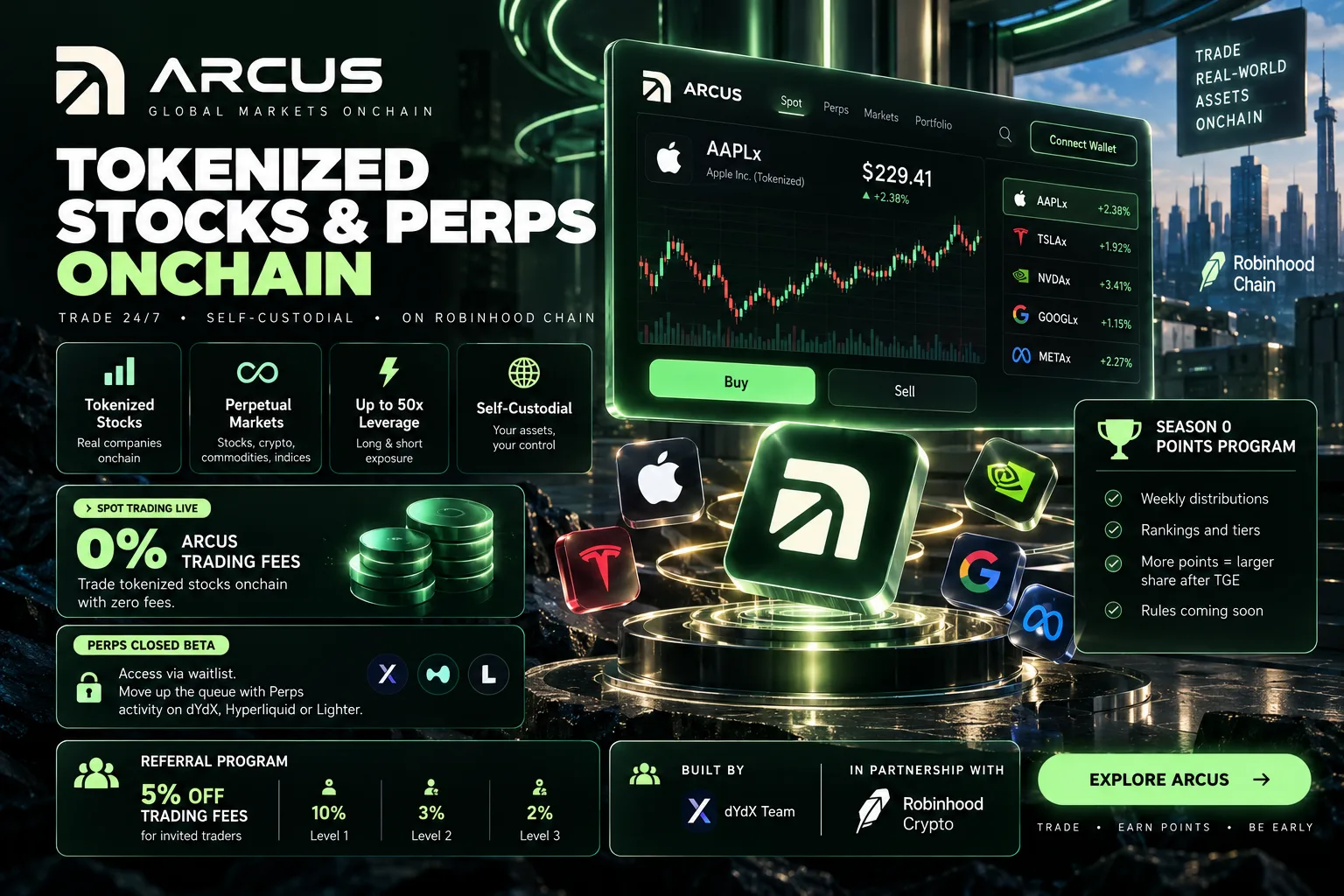
 Arcus Exchange
 JoinCare
 Breath of Estova
Step-by-Step Developer Checklist
- Integrate KYC/AML modules into onboarding flows and transaction monitoring.
- Document token classifications and provide legal opinions where necessary.
- Implement automated compliance reporting via smart contracts or off-chain solutions.
- Establish a process for regular audits and code reviews focused on regulatory compliance.
- Prepare and submit required disclosures for token launches and airdrops.
- Monitor regulatory updates and adjust compliance frameworks accordingly.
For more practical guidance, see our crypto guides and market analysis.
User Impact: What Crypto Investors Should Do Next
The 2026 SEC crypto rules place new responsibilities on individual investors and traders. Here’s how users can adapt:
- Verify Platform Compliance: Before using a DeFi protocol, check for published compliance statements and SEC registration where applicable.
- Maintain Accurate Records: Keep detailed logs of all crypto transactions, including airdrops, trades, and staking rewards, for tax and reporting purposes.
- Understand Tax Implications: Many crypto events, including airdrops and swaps, are now taxable. Consult the latest IRS guidance or a tax professional.
- Stay Informed: Regulatory changes are ongoing. Subscribe to reputable news sources and review updates from the SEC.
For tips on protecting your assets and avoiding scams, refer to our crypto safety guide.
Risk Analysis: Penalties and Enforcement in 2026
The SEC has signaled a tough stance on non-compliance. Key risks include:
- Fines and Sanctions: Projects and users found in violation of SEC rules may face significant monetary penalties.
- Platform Delisting: Non-compliant tokens and protocols risk being removed from major exchanges and aggregators.
- Legal Action: Severe or repeated violations can result in lawsuits or criminal charges for project teams and, in rare cases, users.
To minimize risk, both projects and users should prioritize transparency, accurate reporting, and ongoing compliance reviews.
Key Takeaways
- The SEC’s 2026 crypto regulations set new standards for DeFi, airdrops, and institutional participation.
- Compliance is now a shared responsibility among developers, investors, and institutions.
- Staying proactive and informed is essential to navigating the evolving regulatory landscape.
- Resources like our crypto guides and market analysis and crypto safety guide can help you stay compliant and secure.
Frequently Asked Questions (FAQ)
| Question | Answer |
|---|---|
| How do the SEC’s 2026 crypto rules differ from previous years? | The 2026 rules introduce explicit KYC/AML requirements for DeFi, clearer asset classifications, and stricter reporting for airdrops and institutional investors. |
| What steps should DeFi projects take to comply with SEC regulations in 2026? | Projects should integrate KYC/AML, automate compliance reporting, document token classifications, and submit required disclosures for token launches and airdrops. |
| Are there exemptions for certain crypto assets under the 2026 SEC rules? | Some utility tokens and decentralized assets may qualify for exemptions, but projects must provide legal documentation and undergo SEC review. |
| How can investors verify if a DeFi platform is SEC compliant in 2026? | Look for published compliance statements, SEC registration, and third-party audit reports on the platform’s website or documentation. |
| What are the reporting requirements for crypto airdrops in 2026? | Projects must file detailed disclosures before distribution, and recipients must report airdrop receipts as taxable events where applicable. |
| How will the 2026 SEC rules affect crypto market growth? | While compliance costs may rise, the new rules are expected to foster greater institutional adoption and long-term market stability by enhancing investor protection and transparency. |





 Gaming Platforms
 Crypto Casinos
 Blockchain Bridges
 Staking & Restaking
 DEX Token Swapping
 Crypto Wallets