
 BTC
BTC
 ETH
ETH
 USDT
USDT
 BNB
BNB
 XRP
XRP
 USDC
USDC
 SOL
SOL
 TRX
TRX
 FIGR_HELOC
 ZEC
ZEC
 HYPE
HYPE
 DOGE
DOGE
 XMR
XMR
 USDS
USDS
 WBT
WBT
 LINK
LINK
 LEO
LEO
 ADA
ADA
 NEAR
NEAR
 XLM
XLM
 RAIN
RAIN
 BCH
BCH
 USDE
USDE
 DAI
DAI
 LTC
LTC
 UNI
UNI
 CC
CC
 AVAX
AVAX
 USD1
USD1
 SUI
SUI
 GRAM
GRAM
 HBAR
HBAR
 XAUT
XAUT
 USDG
USDG
 QNT
QNT
 PYUSD
PYUSD
 SHIB
SHIB
 TAO
TAO
 ENA
ENA
 CRO
CRO
 RLUSD
RLUSD
 USYC
USYC
 USDY
USDY
 OKB
OKB
 M
M
 BUIDL
BUIDL
 AAVE
AAVE
 BTW
BTW
 ONDO
ONDO
 PUMP
PUMP
 USDF
USDF
 PEPE
PEPE
 EURSAFO
 PAXG
PAXG
 ASTER
ASTER
 USDD
USDD
 DOT
DOT
 MNT
MNT
 WLFI
WLFI
 WLD
WLD
 U
U
 SKY
SKY
 ICP
ICP
 HTX
HTX
 MORPHO
 BFUSD
BFUSD
 BGB
BGB
 USDGO
USDGO
 VVV
VVV
 ETC
ETC
 ARB
ARB
 JST
JST
 KCS
KCS
 GT
GT
 KAS
KAS
 POL
POL
 ALGO
ALGO
 JUP
JUP
 RENDER
 ATOM
ATOM
 PI
PI
 OUSD
OUSD
 NEXO
NEXO
 INJ
INJ
 LIT
LIT
 FIL
FIL
 USTB
USTB
 AKE
AKE
 GHO
GHO
 ZRO
ZRO
 DASH
DASH
 CAKE
CAKE
 XDC
XDC
 PEARL
PEARL
 NIGHT
NIGHT
 ETHFI
ETHFI
 APT
APT
 PYTH
PYTH
 BDX
BDX
 JAAA
JAAA


The European Central Bank's July policy decision is the dominant scheduled catalyst for European markets this week. The Governing Council meets on July 22 and announces its decision on Thursday, July 23, 2026, six weeks after raising its deposit rate by 25 basis points to 2.25%. Cooling euro-area inflation argues for a pause, but renewed oil-market disruption means the ECB cannot declare the inflation threat over.
For investors, the decision is less about whether the ECB holds rates-currently the overwhelming consensus-and more about how President Christine Lagarde characterizes energy inflation, weak growth and the possibility of another increase in September. EUR/USD and the CAC 40 provide the clearest direct read on the decision, while gold and WTI crude reveal whether global markets are trading monetary policy or geopolitical supply risk.
Cooling inflation gives the ECB room to pause
The ECB raised all three key rates by 25 basis points on June 11, taking the deposit facility rate to 2.25%, the main refinancing rate to 2.40% and the marginal lending rate to 2.65%, effective June 17. Its official June decision described an uncertain outlook in which an energy shock threatened inflation while simultaneously weakening real incomes, confidence and growth.
Since then, inflation has moderated. Eurostat's final June report showed annual euro-area inflation falling to 2.8% from 3.2% in May. Inflation excluding energy, food, alcohol and tobacco eased to 2.4%, although services inflation remained elevated at 3.2%. Energy still added 0.77 percentage points to the annual headline rate, illustrating why oil remains central to the ECB debate.
A Reuters poll conducted from July 13 to July 16 found that all 74 economists surveyed expected the ECB to keep the deposit rate at 2.25% on July 23. However, the same poll found a growing majority expecting another increase in September because of renewed energy-price pressure. That combination-a near-consensus hold but uncertainty over subsequent meetings-raises the risk of a sharp response to the press conference rather than the rate announcement itself. The Reuters poll details provide the clearest available benchmark for expectations.
If you prefer curated opportunities instead of browsing everything manually, check our featured airdrops and compare higher-signal campaigns first.
Four markets facing the clearest transmission channels
EUR/USD: Guidance may matter more than the unchanged rate
EUR/USD finished July 17 near $1.1437 as softer U.S. inflation reduced expectations of a Federal Reserve increase, according to a Reuters global market report. The pair is now caught between two policy narratives: the ECB has already tightened once in 2026, while the Fed held its target range at 3.50%-3.75% in June and is not scheduled to decide again until July 28-29.
A neutral ECB hold accompanied by language preserving the option of a September increase could support the euro because it would maintain the prospect of a narrower U.S.-eurozone rate differential. A clearer signal that June was a one-off insurance move would weaken that argument. Investors should therefore watch references to second-round effects, wage growth, services inflation and whether the ECB says policy is merely "well positioned" or still needs adjustment.
Still unsure about wallets, eligibility, or reward rules? Visit our FAQ page for quick answers before joining any new crypto campaign.
CAC 40: A pause helps, but energy and global technology risk complicate the trade
The CAC 40 is directly exposed to the balance between monetary restraint and economic weakness. A pause can ease immediate pressure on rate-sensitive companies and domestic demand, but a hawkish press conference could lift bond yields and weigh on equity valuations. Banks may benefit from higher rates at the margin, while leveraged companies, property-linked shares and long-duration growth stocks face the opposite transmission.
The index also cannot be treated as a pure ECB trade. The pan-European STOXX 600 declined 0.34% on July 17 as a global semiconductor selloff and renewed Middle East escalation damaged risk appetite, according to the same Reuters market report. A benign ECB outcome may therefore be insufficient to produce a durable equity rebound if oil keeps climbing or the global technology correction deepens.
Gold: The conflict between lower inflation and higher oil
Spot gold rose 0.99% to $4,009.19 an ounce on July 17, while U.S. gold futures gained 0.79% to $4,017.20, according to Reuters. Despite the daily gain, gold's broader signal is complicated: geopolitical tension supports defensive demand, but an oil-driven inflation shock can raise real-yield and central-bank tightening expectations, which may work against the metal.
For the ECB decision, gold investors should look beyond the euro-denominated policy rate. A hawkish message that lifts European and U.S. yields could pressure bullion even if geopolitical risk remains high. A dovish surprise combined with a softer dollar would be more constructive. Investors using volatile crypto or commodity platforms should also review basic custody and impersonation risks through AirdropHotList's stay-safe resources.
If you want reward-focused opportunities that involve tasks or activity, compare more earn crypto airdrops before choosing where to spend your time.
WTI crude: The variable that can overturn the central-bank narrative
WTI settled at $82.49 a barrel on July 17, rising $3.54, or 4.48%, as renewed U.S.-Iran escalation threatened energy infrastructure and shipping through the Strait of Hormuz, according to the Reuters closing report. This makes crude the most important external variable for the ECB: a sustained oil rise would weaken household purchasing power while raising headline inflation and inflation expectations.
Supply policy adds another layer. Seven OPEC+ countries agreed on July 5 to return 188,000 barrels per day from voluntary adjustments in August, while retaining the ability to pause or reverse the process depending on market conditions, according to the group's official announcement. That increase is modest compared with the potential consequences of prolonged shipping disruption, meaning geopolitical flows may dominate scheduled supply additions in the short term.
ECB decision scenarios for July 23
- Base case-hold with optionality: The deposit rate remains at 2.25%, and the ECB avoids committing to September. EUR/USD could remain supported if the door to another increase stays open, while the CAC 40 may receive limited relief. Gold and WTI would continue trading global yields and geopolitical headlines.
- Hawkish case-strong September signal or surprise increase: The euro could strengthen initially, while the CAC 40 and gold face pressure from higher expected yields. WTI may receive a demand-related headwind, although an active supply disruption would remain the stronger force.
- Dovish case-June presented as sufficient: EUR/USD would risk falling as expectations for further tightening unwind. The CAC 40 could benefit from lower-rate expectations, and gold may gain if global yields and the dollar soften. Oil could weaken if the message emphasizes deteriorating growth rather than inflation.
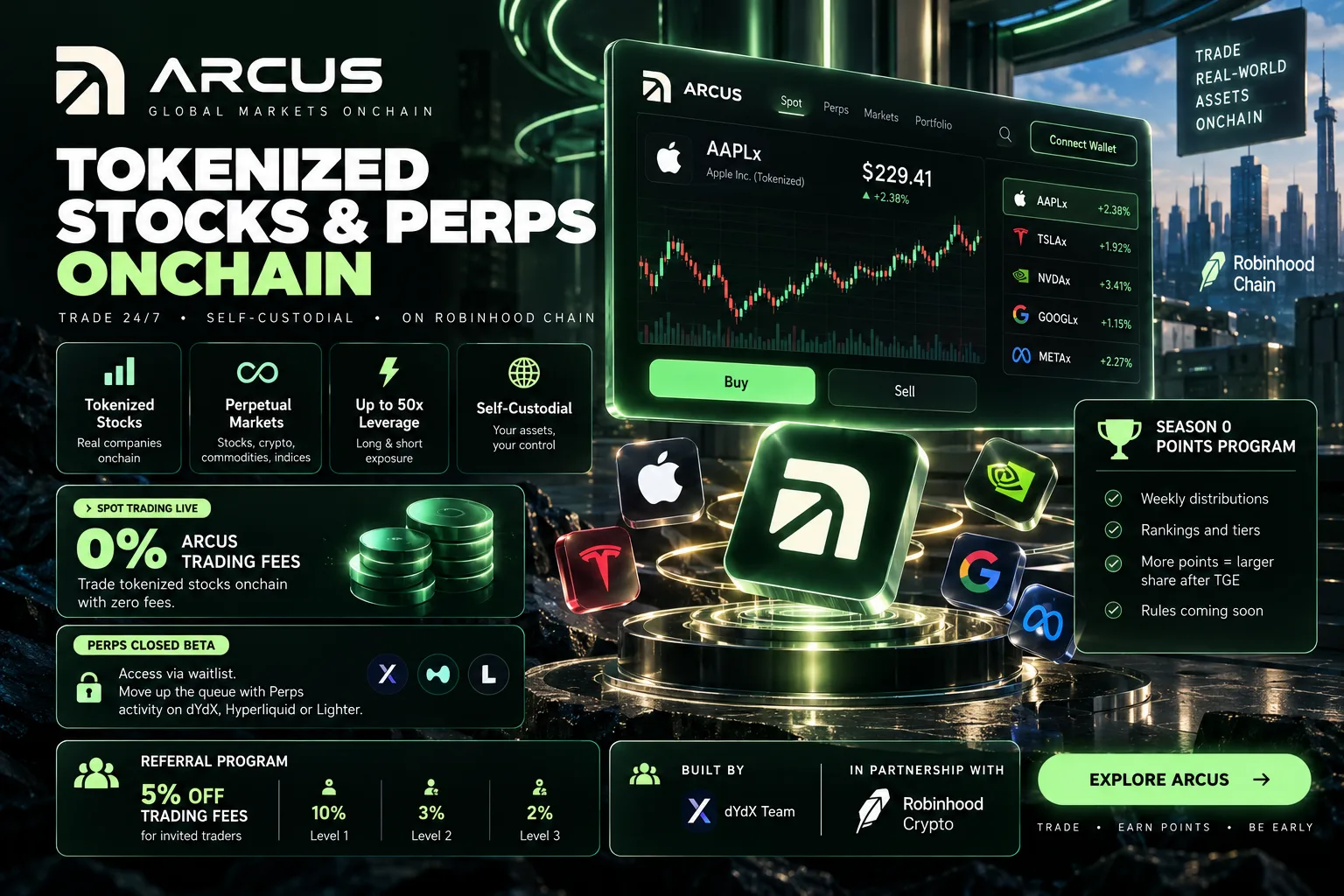
 Arcus Exchange
 JoinCare
 Breath of Estova
Investor watchlist before and after the announcement
The first test is whether the ECB describes June's inflation decline as durable or primarily energy-driven. The second is whether officials emphasize services inflation and wage persistence. The third is the market's September rate pricing after Lagarde's press conference. Finally, investors should compare the euro's response with European bond yields: a stronger euro without rising yields would suggest the move is driven more by dollar weakness than a genuinely hawkish ECB repricing.
Oil remains the principal counter-signal. If WTI extends its rise while European yields climb, markets are likely pricing stagflation risk rather than stronger growth. If crude retreats and equities rally after an ECB hold, the market will be signaling confidence that the June hike contained inflation expectations without starting a prolonged tightening cycle. Readers tracking macro catalysts alongside digital assets can find additional market explainers in the AirdropHotList guides section.
Conclusion
The most defensible expectation for July 23 is an ECB hold at a 2.25% deposit rate, but the decision is not a low-risk event. Inflation has cooled, yet it remains above target and energy continues to make a substantial contribution. EUR/USD will test the credibility of future tightening expectations, the CAC 40 will measure the growth cost, gold will reflect the contest between yields and defensive demand, and WTI will determine whether the ECB's inflation problem is fading or rebuilding.





 Gaming Platforms
 Crypto Casinos
 Blockchain Bridges
 Staking & Restaking
 DEX Token Swapping
 Crypto Wallets