
 BTC
BTC
 ETH
ETH
 USDT
USDT
 BNB
BNB
 XRP
XRP
 USDC
USDC
 SOL
SOL
 TRX
TRX
 FIGR_HELOC
 ZEC
ZEC
 HYPE
HYPE
 DOGE
DOGE
 XMR
XMR
 USDS
USDS
 WBT
WBT
 LINK
LINK
 LEO
LEO
 ADA
ADA
 NEAR
NEAR
 XLM
XLM
 RAIN
RAIN
 BCH
BCH
 USDE
USDE
 DAI
DAI
 LTC
LTC
 UNI
UNI
 CC
CC
 AVAX
AVAX
 USD1
USD1
 SUI
SUI
 GRAM
GRAM
 HBAR
HBAR
 XAUT
XAUT
 USDG
USDG
 QNT
QNT
 PYUSD
PYUSD
 SHIB
SHIB
 TAO
TAO
 ENA
ENA
 CRO
CRO
 RLUSD
RLUSD
 USYC
USYC
 USDY
USDY
 OKB
OKB
 M
M
 BUIDL
BUIDL
 AAVE
AAVE
 BTW
BTW
 ONDO
ONDO
 PUMP
PUMP
 USDF
USDF
 PEPE
PEPE
 EURSAFO
 PAXG
PAXG
 ASTER
ASTER
 USDD
USDD
 DOT
DOT
 MNT
MNT
 WLFI
WLFI
 WLD
WLD
 U
U
 SKY
SKY
 ICP
ICP
 HTX
HTX
 MORPHO
 BFUSD
BFUSD
 BGB
BGB
 USDGO
USDGO
 VVV
VVV
 ETC
ETC
 ARB
ARB
 JST
JST
 KCS
KCS
 GT
GT
 KAS
KAS
 POL
POL
 ALGO
ALGO
 JUP
JUP
 RENDER
 ATOM
ATOM
 PI
PI
 OUSD
OUSD
 NEXO
NEXO
 INJ
INJ
 LIT
LIT
 FIL
FIL
 USTB
USTB
 AKE
AKE
 GHO
GHO
 ZRO
ZRO
 DASH
DASH
 CAKE
CAKE
 XDC
XDC
 PEARL
PEARL
 NIGHT
NIGHT
 ETHFI
ETHFI
 APT
APT
 PYTH
PYTH
 BDX
BDX
 JAAA
JAAA
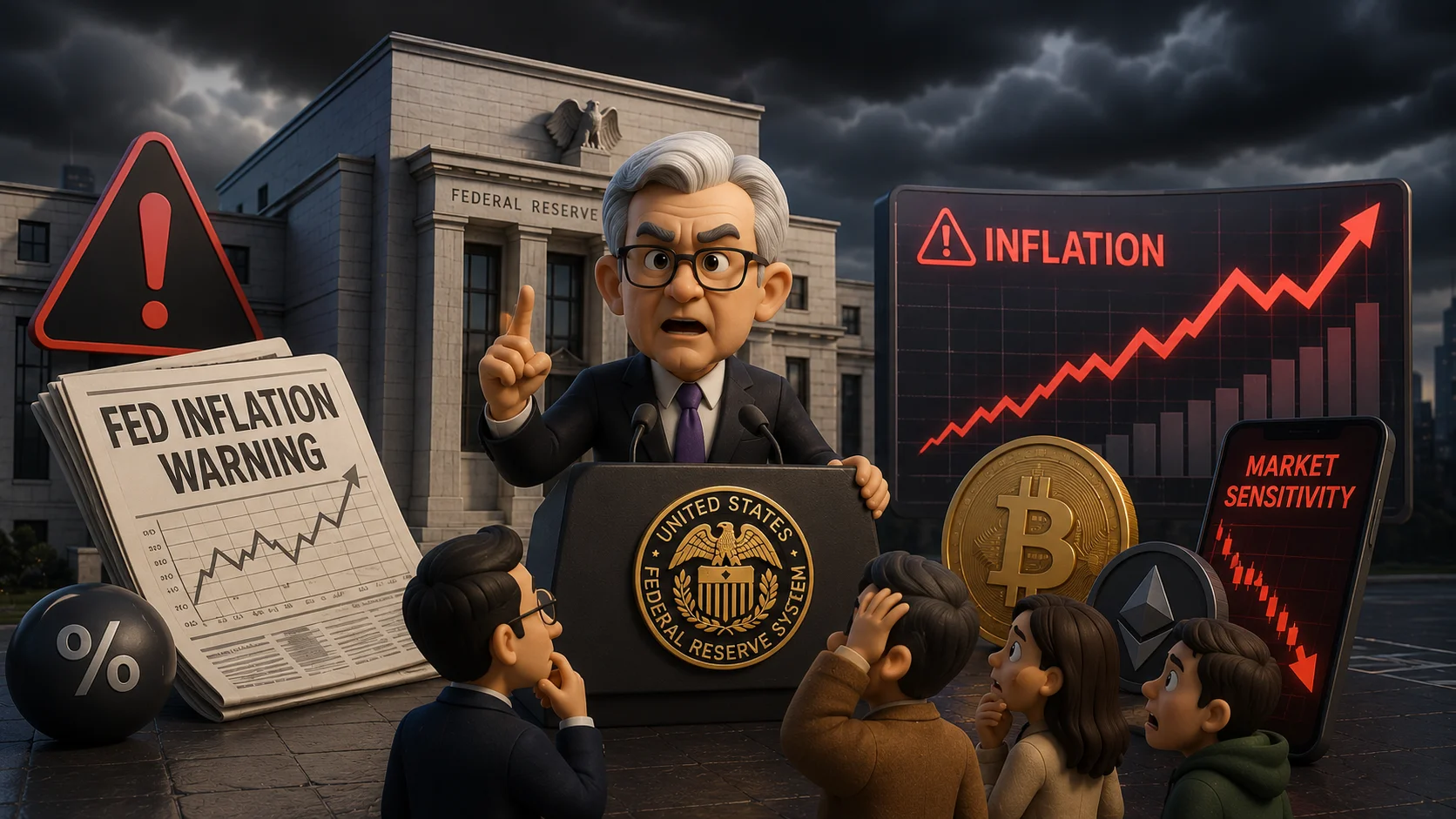

Introduction to Fed Inflation Warnings and Market Sensitivity
Inflation warnings from the Federal Reserve often mark critical junctures for financial markets, including the cryptocurrency sector. These signals reflect the Fed's assessment of rising price pressures and the potential need for monetary policy adjustments such as interest rate hikes or liquidity tightening. For crypto markets, which are highly sensitive to macroeconomic developments and investor sentiment, such warnings can signal turning points by influencing risk appetite and capital flows. Understanding these dynamics is essential for investors navigating the complex interplay between inflation, central bank policy, and digital assets.
Confirmed Facts: Inflation’s Influence on Financial Markets
The Federal Reserve issues inflation warnings based on comprehensive economic data and outlooks. These warnings shape expectations around future monetary policy, particularly regarding interest rate adjustments aimed at controlling inflation. Inflation expectations affect a broad range of markets:
- Cryptocurrency and Digital Assets: Crypto markets respond to inflation signals as investors reassess digital assets’ roles as inflation hedges or speculative instruments.
- Commodities (Gold, Silver, Oil): Precious metals traditionally serve as inflation hedges, while oil and other commodities’ prices fluctuate with inflation trends and Fed policies.
- Forex: Currency valuations react to inflation data and Fed communications, impacting cross-border transactions and investment flows.
- Bonds: Inflation expectations typically push bond yields higher, affecting fixed income valuations.
- Stocks and ETFs: Inflation signals drive sector rotation and valuation adjustments across equity markets.
- Banking and Fintech: Interest rates and consumer behavior influenced by inflation affect these sectors’ performance and innovation trajectories.
Transmission Channels Linking Fed Signals to Crypto and Traditional Assets
Several transmission channels explain how Fed inflation warnings impact crypto and other markets:
- Monetary Policy Adjustments: Fed actions to combat inflation, such as raising interest rates, reduce liquidity and increase borrowing costs, influencing asset valuations.
- Investor Sentiment Shifts: Inflation outlooks alter risk appetite, often prompting a move away from riskier assets like cryptocurrencies toward safer havens.
- Capital Flows Between Asset Classes: Inflation hedging demand can drive capital from traditional assets into digital assets or vice versa, depending on perceived inflation resilience.
- Currency Valuation Changes: Inflation-driven forex fluctuations affect the cost and attractiveness of crypto investments across borders.
- Regulatory Announcements: Inflation-induced market volatility may trigger regulatory responses impacting crypto and traditional markets.
- Commodity Price Fluctuations: Changes in commodity prices influence broader economic indicators and investor strategies, indirectly affecting crypto markets.
If you prefer curated opportunities instead of browsing everything manually, check our featured airdrops and compare higher-signal campaigns first.
Interpreting Inflation Warnings: Market Reactions and Investor Behavior
When the Fed signals rising inflation risks, markets often react swiftly. Crypto investors may reassess the risk-reward profile of digital assets, weighing their potential as inflation hedges against heightened volatility and regulatory uncertainty. Historically, inflation warnings have coincided with increased crypto market volatility, although the precise timing and magnitude of reactions remain uncertain. Investor sentiment tends to shift toward caution, with some reallocating capital to commodities like gold and silver, which have long served as inflation hedges.
Federal Reserve’s Approach to Inflation Monitoring
The Fed continuously monitors inflation through various indicators, including the Consumer Price Index (CPI) and Personal Consumption Expenditures (PCE). Inflation warnings emerge when these metrics indicate sustained upward pressure on prices, prompting the Fed to signal potential policy tightening. Such communications are closely watched by market participants for clues about future interest rate paths and liquidity conditions.
Historical Examples of Inflation Impact on Crypto and Commodities
Past episodes of inflation warnings have shown that commodities like gold and silver often rally as investors seek protection against eroding purchasing power. Crypto markets have exhibited mixed responses, sometimes benefiting from increased interest as alternative stores of value, while at other times suffering from risk-off sentiment. These historical precedents highlight the complex and evolving relationship between inflation signals and digital assets.
If this opportunity involves trading, deposits, or exchange activity, review our crypto trading guide for beginners to understand fees, risk control, and safer decision-making.
Potential Scenarios for Crypto Markets Amid Inflation Concerns
Looking ahead, several scenarios could unfold in response to Fed inflation warnings:
- Scenario 1: Crypto as an Inflation Hedge Gains Traction – If inflation persists and traditional hedges underperform, digital assets may attract increased inflows as alternative stores of value.
- Scenario 2: Heightened Volatility and Regulatory Scrutiny – Inflation-driven market stress could amplify crypto volatility and prompt regulatory interventions aimed at stabilizing markets.
- Scenario 3: Capital Flight to Traditional Assets – Rising interest rates and risk aversion might lead investors to favor bonds, commodities, and cash, reducing crypto market liquidity.
Each scenario depends on the trajectory of inflation, Fed policy responses, and broader macroeconomic and geopolitical developments.
Role of Commodities, Forex, Bonds, and Stocks in Inflationary Environments
Commodities like gold and silver remain key inflation hedges, often rallying when inflation expectations rise. Oil prices also respond to inflation trends and can influence economic growth prospects. Forex markets adjust currency valuations based on inflation differentials and central bank policies, affecting international investment flows including in crypto. Bond yields typically rise with inflation expectations, pressuring fixed income valuations. Stocks and ETFs experience sector rotation, with cyclical sectors benefiting from inflation while growth sectors may face headwinds.
Regulatory and Geopolitical Factors Affecting Inflation and Market Dynamics
Regulatory frameworks may evolve in response to inflation-driven market volatility, particularly in the crypto sector where rapid price swings and liquidity shifts can raise systemic concerns. Geopolitical events can amplify inflation effects by disrupting supply chains or energy markets, further complicating the Fed’s policy calculus and market responses. These factors introduce uncertainties that investors must consider when assessing inflation warnings and their implications.
Regulatory Responses to Inflation-Driven Market Changes
Inflation-induced volatility may prompt regulators to enhance oversight of crypto exchanges, stablecoins, and fintech platforms to mitigate systemic risks. Such measures could influence market liquidity and investor confidence.
If you want to understand how eligibility, snapshots, claiming, and reward distribution usually work, start with our crypto airdrop guide before joining new campaigns.
Geopolitical Risks Amplifying Inflation Effects
Geopolitical tensions affecting commodity supplies or trade can exacerbate inflationary pressures, complicating the Fed’s ability to manage inflation without triggering economic slowdowns. Crypto markets, sensitive to global risk sentiment, may react accordingly.
Conclusion: Navigating Crypto Markets at the Intersection of Inflation and Fed Policy
Inflation warnings from the Federal Reserve represent pivotal signals that can reshape investor behavior and market dynamics across cryptocurrencies and traditional assets. While the precise impact on crypto markets remains uncertain, these warnings often mark turning points by influencing monetary policy expectations, liquidity conditions, and risk appetite. Investors should monitor Fed communications closely alongside inflation data, commodity price trends, regulatory developments, and geopolitical risks to navigate the evolving landscape. Understanding these interconnected factors is crucial for positioning within crypto markets amid ongoing macroeconomic challenges.
For further insights on related topics, readers may explore our financial markets and crypto analysis and stay informed about the latest crypto airdrops. To protect assets in volatile environments, consult our crypto safety guide.
Comparative Analysis: Cryptocurrencies Versus Traditional Inflation Hedges
While gold and silver have long been regarded as reliable inflation hedges, the evolving macroeconomic landscape has prompted investors to reconsider the role of digital assets in inflationary environments. Cryptocurrencies, particularly Bitcoin, are increasingly viewed as alternative stores of value due to their limited supply and decentralized nature. However, their relatively short history and higher volatility compared to precious metals introduce complexities in assessing their effectiveness as inflation hedges.
Empirical observations during periods of rising inflation indicate that gold and silver often experience price appreciation driven by safe-haven demand and real asset characteristics. In contrast, cryptocurrencies have exhibited mixed responses, sometimes correlating with risk-on market sentiment rather than inflation per se. This divergence underscores the nuanced relationship between inflation signals from the Fed and crypto market dynamics, where investor behavior is influenced not only by inflation expectations but also by broader risk appetite and liquidity conditions.
Moreover, the interplay between Fed monetary policy adjustments and crypto valuations suggests that interest rate hikes aimed at curbing inflation can dampen speculative demand for digital assets. Conversely, prolonged inflationary pressures without aggressive tightening may enhance the appeal of cryptocurrencies as non-sovereign assets. This comparative framework highlights the importance of monitoring Fed communications alongside traditional inflation indicators to gauge potential shifts in capital allocation between digital and traditional inflation hedges.
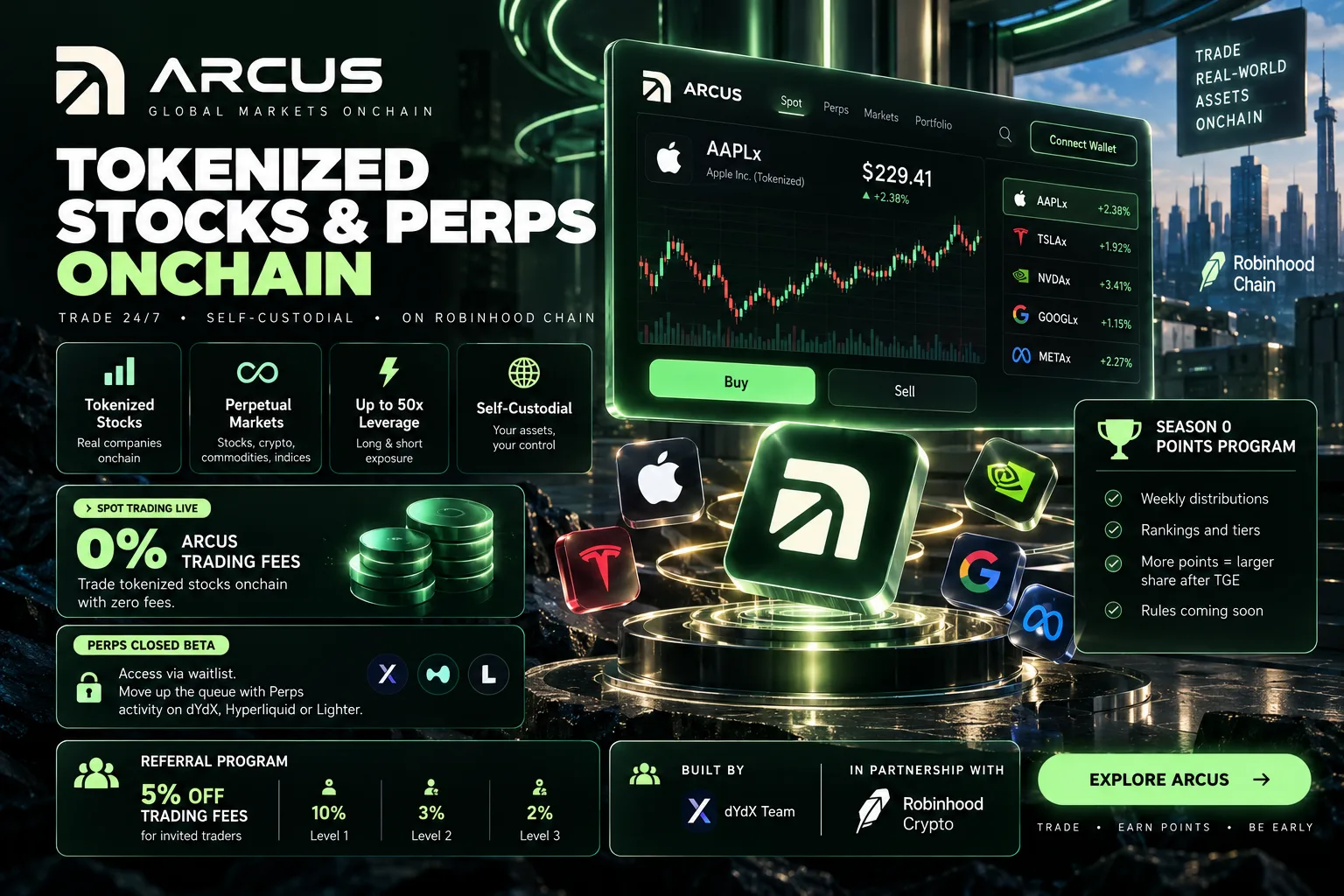
 Arcus Exchange
 JoinCare
 Breath of Estova
Fintech and Payment Sector Adaptations Amid Inflation and Fed Policy Changes
The fintech and payment industries are uniquely positioned at the intersection of inflation dynamics and monetary policy shifts. Inflation warnings from the Fed often lead to adjustments in interest rates, which directly impact lending costs, consumer spending, and transaction volumes within these sectors. Fintech companies that offer innovative payment solutions and credit products must navigate changing consumer behavior driven by inflationary pressures, such as increased demand for cost-effective and flexible financial services.
Additionally, inflation-induced volatility in currency valuations and interest rates can influence cross-border payment flows and remittance services, areas where fintech firms play a critical role. The ability to adapt pricing models, manage operational costs, and leverage technology to enhance efficiency becomes paramount in maintaining competitiveness during inflationary cycles. Furthermore, regulatory scrutiny may intensify as inflation-related market volatility raises concerns about consumer protection and systemic risks within fintech ecosystems.
Overall, the fintech and payment sectors' responsiveness to Fed inflation warnings reflects broader macroeconomic interdependencies, where monetary policy not only shapes market sentiment but also operational realities for financial technology providers.
Case Studies: Forex and Bond Market Reactions to Fed Inflation Communications
Historical instances of Fed inflation warnings provide valuable insights into the reactions of forex and bond markets, which in turn influence crypto market conditions. For example, announcements signaling potential interest rate hikes often trigger immediate appreciation of the U.S. dollar against other currencies, as higher yields attract capital inflows. This currency strength can affect the valuation of cryptocurrencies traded against fiat currencies, impacting investor decisions and liquidity.
In bond markets, inflation warnings typically lead to rising yields as investors demand higher compensation for inflation risk. This dynamic can reduce the attractiveness of fixed income instruments relative to riskier assets, including cryptocurrencies, depending on prevailing market sentiment. However, sharp increases in yields may also tighten financial conditions, constraining liquidity and dampening speculative investment in digital assets.
These case studies emphasize the interconnectedness of Fed communications, traditional financial markets, and crypto valuations, underscoring the need for investors to consider multi-asset perspectives when interpreting inflation signals.
Assessment of Geopolitical Events Interacting with Inflation Trends
Geopolitical developments often compound the effects of inflation and Fed policy on financial markets, including cryptocurrencies. Events such as trade tensions, conflicts, or sanctions can exacerbate inflationary pressures by disrupting supply chains and commodity markets, thereby influencing central bank responses. The resulting uncertainty tends to heighten market volatility and alter risk perceptions across asset classes.
For crypto markets, geopolitical risks may simultaneously drive demand for decentralized assets as alternatives to traditional financial systems while also triggering regulatory scrutiny and capital flight. The interplay between geopolitical factors and inflation trends creates complex scenarios where Fed inflation warnings serve as one of multiple catalysts shaping market trajectories.
Understanding these multifaceted interactions is crucial for stakeholders aiming to anticipate turning points in crypto and broader financial markets amid evolving global conditions.





 Gaming Platforms
 Crypto Casinos
 Blockchain Bridges
 Staking & Restaking
 DEX Token Swapping
 Crypto Wallets