
 BTC
BTC
 ETH
ETH
 USDT
USDT
 BNB
BNB
 XRP
XRP
 USDC
USDC
 SOL
SOL
 TRX
TRX
 FIGR_HELOC
 ZEC
ZEC
 HYPE
HYPE
 DOGE
DOGE
 XMR
XMR
 USDS
USDS
 WBT
WBT
 LINK
LINK
 LEO
LEO
 ADA
ADA
 NEAR
NEAR
 XLM
XLM
 RAIN
RAIN
 BCH
BCH
 USDE
USDE
 DAI
DAI
 UNI
UNI
 LTC
LTC
 CC
CC
 AVAX
AVAX
 USD1
USD1
 SUI
SUI
 GRAM
GRAM
 HBAR
HBAR
 XAUT
XAUT
 USDG
USDG
 QNT
QNT
 PYUSD
PYUSD
 SHIB
SHIB
 TAO
TAO
 ENA
ENA
 CRO
CRO
 RLUSD
RLUSD
 USYC
USYC
 USDY
USDY
 OKB
OKB
 M
M
 BUIDL
BUIDL
 AAVE
AAVE
 ONDO
ONDO
 PUMP
PUMP
 USDF
USDF
 PEPE
PEPE
 EURSAFO
 PAXG
PAXG
 ASTER
ASTER
 BTW
BTW
 USDD
USDD
 DOT
DOT
 WLFI
WLFI
 MNT
MNT
 WLD
WLD
 U
U
 SKY
SKY
 ICP
ICP
 MORPHO
 HTX
HTX
 BFUSD
BFUSD
 BGB
BGB
 USDGO
USDGO
 VVV
VVV
 ETC
ETC
 ARB
ARB
 JST
JST
 KCS
KCS
 GT
GT
 KAS
KAS
 POL
POL
 ALGO
ALGO
 JUP
JUP
 RENDER
 ATOM
ATOM
 PI
PI
 OUSD
OUSD
 NEXO
NEXO
 INJ
INJ
 LIT
LIT
 FIL
FIL
 USTB
USTB
 AKE
AKE
 GHO
GHO
 ZRO
ZRO
 CAKE
CAKE
 DASH
DASH
 NIGHT
NIGHT
 XDC
XDC
 PEARL
PEARL
 ETHFI
ETHFI
 APT
APT
 PYTH
PYTH
 BDX
BDX
 STX
STX


In 2026, Britain’s new DeFi tax rules require crypto investors to report all decentralized finance (DeFi) earnings—including staking, lending, yield farming, and airdrops—as taxable events. HMRC now mandates meticulous record-keeping and timely reporting for both individuals and institutions. Non-compliance can result in substantial penalties, making it essential for anyone involved in DeFi to understand and adhere to the latest regulations. This guide breaks down the new rules, compliance steps, and what every UK crypto participant needs to know.
Overview of Britain’s 2026 DeFi Tax Rules
The UK’s approach to crypto taxation has evolved rapidly, and 2026 marks a pivotal year for decentralized finance (DeFi) participants. The HM Revenue & Customs (HMRC) has issued comprehensive guidance that specifically targets DeFi activities, reflecting the sector’s growing impact on the British financial landscape. The new rules clarify how DeFi earnings are classified, taxed, and reported, closing previous grey areas and introducing stricter compliance requirements for individuals, traders, institutions, and developers.
For the first time, HMRC’s 2026 framework explicitly addresses the nuances of DeFi protocols, including lending, borrowing, staking, yield farming, and airdrops. The aim is to ensure that all forms of value transfer and income generation within DeFi are captured within the UK tax net. This shift is significant for the broader crypto market, as it brings much-needed clarity but also new obligations for market participants.
Key Changes in UK Crypto Taxation for 2026
Several major changes define the 2026 DeFi tax landscape in Britain:
- Expanded Taxable Events: All DeFi-related earnings—whether from staking, lending, yield farming, or airdrops—are now considered taxable. This includes both realized gains and certain unrealized income, depending on the protocol structure.
- Mandatory Reporting: Investors must report all DeFi transactions, including the movement of assets between wallets and protocols, on their annual tax returns.
- Detailed Record-Keeping: HMRC requires comprehensive records of every DeFi transaction, including transaction hashes, wallet addresses, protocol details, and timestamps.
- Institutional and Developer Compliance: Not only individuals, but also institutional investors and protocol developers face explicit tax obligations under the new rules.
- Penalties for Non-Compliance: Failure to accurately report DeFi income can result in significant fines, interest charges, and potential legal action.
These changes bring the UK in line with other major jurisdictions that have moved to regulate DeFi activity more closely, but the British approach is notable for its specificity and breadth.
How DeFi Activities Are Taxed in the UK
The 2026 HMRC guidance breaks down DeFi taxation into several key categories, each with its own implications for investors and traders. Understanding how each activity is taxed is crucial for compliance and risk management.
HMRC’s Definition of DeFi Transactions
HMRC defines DeFi transactions as any interaction with decentralized protocols that results in the transfer, earning, or disposal of cryptoassets. This includes:
- Staking: Locking tokens in a protocol to earn rewards or yield.
- Lending and Borrowing: Providing or receiving crypto loans via smart contracts.
- Yield Farming: Moving assets between protocols to maximize returns.
- Airdrops: Receiving tokens as part of protocol launches or reward programs.
Each of these activities can trigger a taxable event, depending on the structure and intent.
Calculating Gains and Losses from DeFi Protocols
For each DeFi transaction, investors must calculate the gain or loss based on the fair market value of the cryptoasset at the time of the event. This includes:
- Income Tax: Applied to rewards, interest, or airdrops received as income.
- Capital Gains Tax (CGT): Applied when disposing of cryptoassets, such as selling, swapping, or using them in DeFi protocols.
For example, staking rewards are typically taxed as income at the time they are received, while any subsequent disposal of those tokens may trigger CGT based on the change in value.
Reporting DeFi Income: What Investors Need to Do
HMRC’s 2026 rules place the onus on investors to ensure accurate and timely reporting of all DeFi-related income. This process involves several key steps:
- Track Every Transaction: Use portfolio trackers or manual logs to record every DeFi interaction, including token movements, protocol details, and timestamps.
- Calculate Taxable Amounts: Determine whether each event is subject to income tax or CGT, and calculate the corresponding values in GBP at the time of the transaction.
- Submit Annual Tax Returns: Report all DeFi income and gains on your Self Assessment tax return, using the appropriate HMRC forms and supplementary pages.
- Retain Supporting Documentation: Keep detailed records for at least six years, as HMRC may request evidence during audits or reviews.
For those managing large or complex portfolios, professional tax advice or specialized crypto tax software can help ensure compliance and minimize errors. For more on reporting tools, see our crypto guides and market analysis.
If you want to understand how eligibility, snapshots, claiming, and reward distribution usually work, start with our crypto airdrop guide before joining new campaigns.
Tax Implications for DeFi Traders, Investors, and Institutions
The impact of the 2026 DeFi tax rules extends beyond individual investors. Traders, institutions, and even protocol developers face new obligations and risks.
DeFi Taxation for Beginners vs. Experienced Investors
Beginners may find the new rules daunting, especially when managing multiple wallets or protocols. Experienced investors, meanwhile, must adapt their strategies to account for the increased reporting burden and potential tax liabilities. Both groups should prioritize education and proactive record-keeping to avoid costly mistakes.
Institutional and Developer Obligations
Institutions—such as funds, trading firms, and DAOs—are required to implement robust compliance frameworks for DeFi activity. This includes internal controls, regular audits, and dedicated tax reporting processes. Protocol developers may also face tax obligations if they receive tokens, fees, or other forms of compensation from protocol operations or governance activities.
Failure to comply can expose organizations to regulatory scrutiny and reputational risk, making tax compliance a board-level concern in 2026.
DeFi Airdrops and Staking: Tax Treatment in 2026
Airdrops and staking remain two of the most popular DeFi activities, but they also present unique tax challenges under the new HMRC rules.
- Airdrops: Most airdrops are now taxed as income at the time the tokens are received, based on their fair market value. If the tokens are later sold or swapped, any additional gain is subject to CGT. See our crypto guides and market analysis for more on latest crypto airdrops and UK airdrop tax rules.
- Staking: Rewards from staking are treated as income, while the disposal of staked tokens (including swapping or selling) triggers CGT. The complexity increases when rewards are automatically restaked or compounded.
Investors should be aware that even if airdropped or staked tokens are not immediately sold, the initial receipt can create a tax liability.
Impact of Airdrops and Forks on Tax Liability
Forks and protocol upgrades that result in the distribution of new tokens are generally treated similarly to airdrops. The key is to determine the fair market value at the time of receipt and report it as income. If the tokens have no established market value, HMRC expects investors to use a reasonable estimate based on comparable assets or trading pairs.
Compliance Tips for UK Crypto Investors
With the complexity of DeFi taxation in 2026, proactive compliance is essential. Here are practical strategies for staying on the right side of HMRC:
- Automate Record-Keeping: Use reputable crypto portfolio trackers and tax software to log every transaction in real time.
- Set Calendar Reminders: Mark key tax deadlines and allow time for data reconciliation before submitting your return.
- Consult Professionals: For complex portfolios or institutional activity, seek advice from tax professionals with crypto expertise.
- Stay Informed: HMRC regularly updates its guidance. Monitor official channels and trusted crypto publications for changes.
- Review Protocol Terms: Understand how each DeFi protocol structures rewards, fees, and token distributions, as these can affect your tax treatment.
For a comprehensive overview of crypto safety and compliance, visit our crypto safety guide.
Record-Keeping Best Practices for 2026
HMRC expects detailed records for every DeFi transaction. Best practices include:
- Exporting transaction histories from wallets and exchanges regularly.
- Recording protocol names, wallet addresses, and transaction hashes.
- Tracking GBP values at the time of each event.
- Maintaining backup copies in secure, encrypted storage.
These records are your first line of defense in the event of an audit or inquiry.
Common Mistakes and How to Avoid DeFi Tax Penalties
Even experienced crypto users can fall into common DeFi tax traps. The most frequent errors include:
- Underreporting Income: Failing to declare staking rewards, airdrops, or yield farming gains.
- Poor Record-Keeping: Incomplete or missing transaction logs, making it difficult to calculate gains or losses.
- Misclassifying Transactions: Confusing income tax and CGT events, leading to incorrect filings.
- Ignoring Protocol Fees: Overlooking gas fees or protocol charges that may affect net gains.
Penalties for non-compliance can include fines, interest on unpaid tax, and in severe cases, criminal prosecution. HMRC has increased its focus on crypto enforcement, using data analytics and blockchain forensics to identify underreported DeFi activity.
To avoid penalties, review your tax position regularly, seek professional advice for complex scenarios, and ensure all filings are accurate and complete.
If you want reward-focused opportunities that involve tasks or activity, compare more earn crypto airdrops before choosing where to spend your time.
Future Trends: What’s Next for DeFi Taxation in Britain
The 2026 DeFi tax rules represent a significant step forward for regulatory clarity in the UK, but the landscape is likely to continue evolving. Key trends to watch include:
- International Coordination: The UK is working with other major jurisdictions to harmonize DeFi tax treatment, reducing the risk of double taxation or regulatory arbitrage.
- Automated Tax Reporting: Emerging tools and integrations between DeFi protocols and tax software may streamline compliance for both individuals and institutions.
- Increased Enforcement: HMRC is expected to ramp up audits and enforcement actions, particularly targeting high-value DeFi users and institutional participants.
- Ongoing Guidance Updates: As DeFi protocols innovate, HMRC will likely issue further clarifications and updates to its tax guidance.
For the latest developments and in-depth analysis, follow our crypto guides and market analysis.
Tools and Resources for DeFi Tax Compliance
Several software solutions now offer automated DeFi tax reporting, integrating with popular wallets and protocols to simplify record-keeping and calculations. While these tools can reduce manual effort, users should verify that all data is accurate and up to date before filing. For a curated list of resources, see our crypto guides and market analysis.
Case Studies: Real-World DeFi Tax Scenarios
Consider the following examples to illustrate the practical impact of Britain’s 2026 DeFi tax rules:
- Individual Investor: Alice stakes ETH in a DeFi protocol and receives rewards throughout the year. She must report the value of each reward as income and calculate CGT if she later sells the tokens.
- Institutional Fund: A UK-based crypto fund participates in multiple yield farming strategies. The fund’s compliance team uses automated tools to track transactions and ensure all income and disposals are reported to HMRC.
- Protocol Developer: Bob receives governance tokens as compensation for his work on a DeFi protocol. He must declare the value of these tokens as income and report any gains if he later disposes of them.
These scenarios underscore the importance of understanding the tax implications of every DeFi interaction in the UK’s new regulatory environment.
Comparing UK DeFi Tax Rules with Other Major Jurisdictions
Britain’s 2026 DeFi tax rules are broadly aligned with those of the US, Australia, and the EU, but with some notable differences:
- Specificity: The UK provides more detailed guidance on DeFi activities than many other countries, reducing ambiguity for investors.
- Record-Keeping Requirements: HMRC’s expectations for documentation are among the strictest globally.
- Institutional Focus: The UK places particular emphasis on institutional and developer compliance, reflecting the maturity of its crypto sector.
International investors and protocols operating in multiple jurisdictions should consult local tax advisors to ensure full compliance.
Key Takeaways for Crypto Investors Navigating Britain’s 2026 DeFi Tax Rules
The UK’s 2026 DeFi tax rules mark a new era for crypto regulation, with far-reaching implications for investors, traders, institutions, and developers. The key to successful compliance is education, proactive record-keeping, and a willingness to adapt as the regulatory landscape evolves. By understanding the rules, leveraging the right tools, and seeking professional advice when needed, UK crypto participants can minimize risk and stay ahead in the fast-moving world of DeFi.
For further reading, explore our crypto guides and market analysis or review our crypto safety guide for best practices in digital asset management and compliance.
Helpful Crypto Resources
For deeper context, explore our crypto guides and market analysis. These resources can help you compare opportunities, understand market risks, and follow crypto trends more safely.
How DeFi Activities Are Taxed in the UK (2026)
The 2026 HMRC guidelines provide a granular breakdown of how various DeFi activities are taxed. Understanding the treatment of each activity is crucial for accurate reporting and compliance. Here’s how the main DeFi actions are classified for tax purposes:
- Staking: Rewards from staking are treated as income at the time they are received. The value is assessed in GBP at the date of receipt and must be reported as miscellaneous income. Subsequent disposal of staked tokens may trigger capital gains tax (CGT).
- Lending and Borrowing: Interest or yield earned from lending crypto assets via DeFi protocols is considered income. Conversely, borrowing itself is not taxable, but liquidation events or collateral sales may create taxable events.
- Yield Farming: Rewards and tokens earned through yield farming are taxed as income upon receipt. If you later sell or swap these tokens, CGT may apply based on the gain or loss since acquisition.
- Airdrops: Most airdrops are now classified as taxable income at the time of receipt, unless received as part of a hard fork or with no prior action required. For more details, see our UK crypto airdrop tax rules.
If you prefer curated opportunities instead of browsing everything manually, check our featured airdrops and compare higher-signal campaigns first.
HMRC’s Definition of DeFi Transactions
HMRC defines DeFi transactions broadly, encompassing any activity where crypto assets are lent, staked, or otherwise deployed to earn a return. This includes interactions with liquidity pools, automated market makers, and decentralized lending platforms. Each transaction must be evaluated for its tax implications, and the onus is on the investor to maintain detailed records.
Reporting DeFi Income: What Investors Need to Do
With the 2026 rules in force, accurate and timely reporting of DeFi income is mandatory. Here’s a step-by-step guide for UK crypto investors:
- Track Every Transaction: Use crypto portfolio trackers or dedicated crypto tax reporting tools to log all DeFi activities, including staking, lending, yield farming, and airdrops.
- Calculate Income and Gains: For each taxable event, record the GBP value at the date of receipt. For disposals, calculate capital gains or losses based on acquisition and disposal values.
- File with HMRC: Report DeFi income and capital gains on your annual Self Assessment tax return. Use the supplementary pages for foreign income if relevant.
- Maintain Records: HMRC requires that records be kept for at least five years. This includes transaction hashes, wallet addresses, dates, and GBP values.
Record-Keeping Best Practices for 2026
Given the complexity of DeFi transactions, robust record-keeping is essential. Best practices include:
- Exporting transaction histories from wallets and DeFi platforms regularly
- Recording the purpose of each transaction (e.g., staking, yield farming, airdrop receipt)
- Storing backup copies of records in secure, encrypted locations
- Using automated tools to reconcile on-chain activity with reported figures
Tax Implications for DeFi Traders, Investors, and Institutions
The 2026 DeFi tax rules affect a wide range of participants:
- Individual Investors: Must report all DeFi income and capital gains, regardless of transaction size. Even small airdrops or staking rewards are taxable.
- Professional Traders: Those trading at scale may be classified as trading businesses, with income subject to different tax treatments. Consult HMRC guidance if you operate at high frequency or volume.
- Institutions and Developers: Entities developing or operating DeFi protocols have additional obligations, including corporate tax on protocol revenues and potential VAT liabilities. Developer rewards and token allocations are also taxable.
Institutional and Developer Obligations
Institutions and protocol developers face heightened scrutiny under the new rules. HMRC expects:
- Transparent reporting of all protocol revenues and distributions
- Compliance with anti-money laundering (AML) and know-your-customer (KYC) requirements where applicable
- Accurate valuation of tokens and rewards for tax purposes
Compliance Tips and Common Mistakes to Avoid
To stay compliant and avoid penalties, UK DeFi participants should:
- Review HMRC’s latest DeFi guidance annually
- Use reputable crypto tax reporting tools to automate calculations
- Double-check all reported figures for accuracy
- Seek professional advice for complex or high-value transactions
Common mistakes include underreporting airdrops, failing to record staking rewards, and misclassifying DeFi income as capital gains. These errors can trigger audits and penalties.
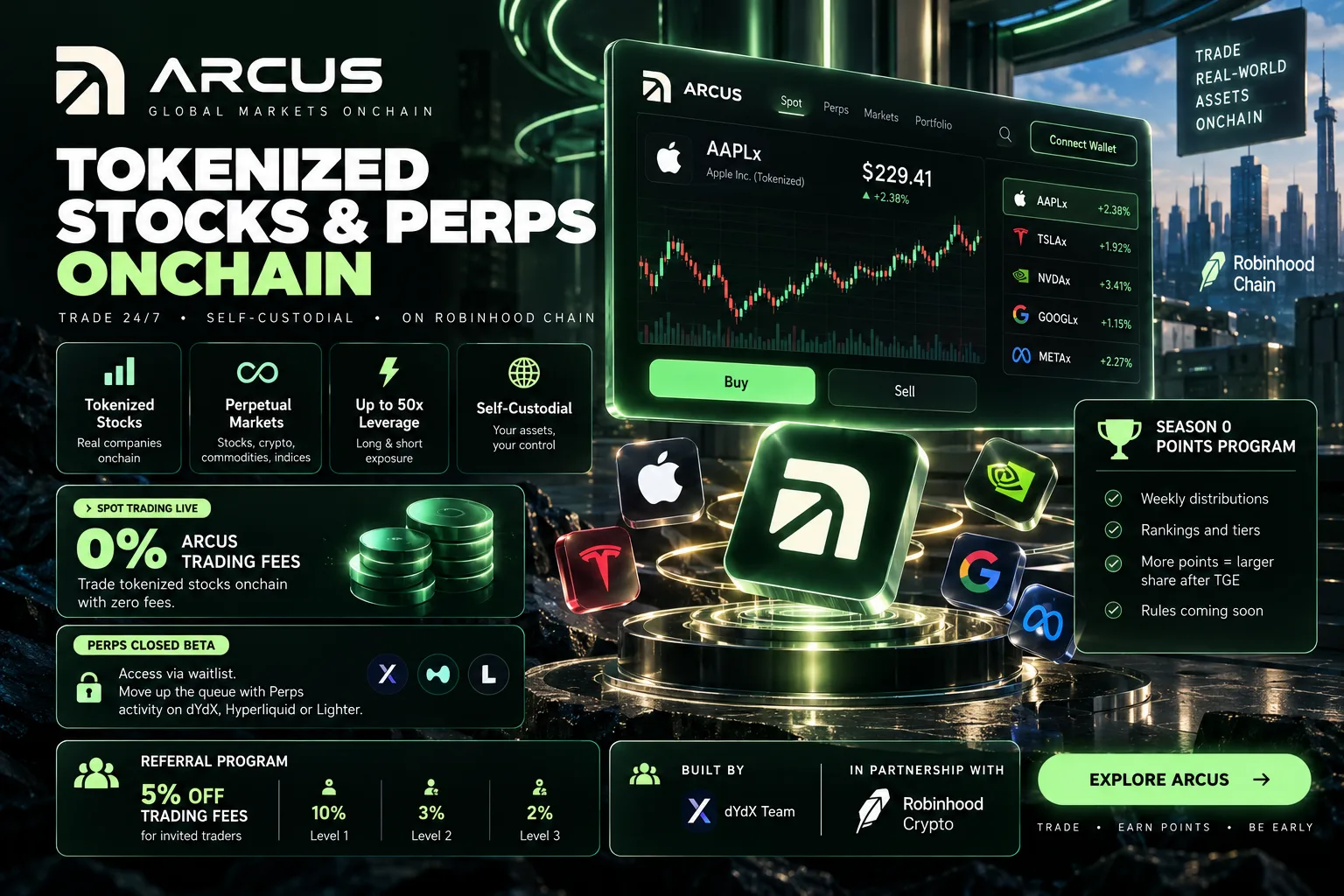
 Arcus Exchange
 JoinCare
 Breath of Estova
Penalties and Enforcement Trends in 2026
HMRC has ramped up enforcement of DeFi tax compliance in 2026. Penalties for non-compliance can include:
- Late Filing Penalties: Fines for missing tax deadlines
- Underreporting: Additional tax assessments and interest
- Deliberate Evasion: Severe penalties, including prosecution in extreme cases
HMRC increasingly uses blockchain analytics to identify undeclared DeFi income. Proactive compliance is the best defense against enforcement actions.
Comparison: UK DeFi Tax Rules vs. Other Major Jurisdictions
| Jurisdiction | DeFi Income Taxed? | Capital Gains Tax? | Reporting Requirements |
|---|---|---|---|
| UK (2026) | Yes (income on receipt) | Yes (on disposal) | Detailed, with strict record-keeping |
| USA | Yes | Yes | Strict, with Form 8949 and 1099 reporting |
| Germany | Yes (if held <1 year) | Yes | Annual tax return, some exemptions |
| Singapore | No (for individuals) | No (for individuals) | Minimal for personal investments |
The UK’s approach is among the most comprehensive and strict, especially regarding record-keeping and reporting.
Key Takeaways for UK DeFi Participants
- All DeFi earnings—including staking, lending, yield farming, and airdrops—are taxable events in 2026.
- Meticulous record-keeping and timely reporting to HMRC are mandatory.
- Penalties for non-compliance are significant, and enforcement is increasing.
- Use automated tools and stay updated with HMRC guidance to minimize risk.
Frequently Asked Questions (FAQ)
- What DeFi activities are taxable in the UK in 2026?
All earnings from staking, lending, yield farming, and airdrops are taxable. Even small or infrequent transactions must be reported. - How do I report DeFi earnings to HMRC?
Include DeFi income and capital gains on your Self Assessment tax return, using supplementary pages if needed. Maintain supporting records for each transaction. - Are DeFi airdrops considered income or capital gains?
Most airdrops are treated as income at the time of receipt. If you later sell the airdropped tokens, capital gains tax may apply. - What records should I keep for DeFi tax reporting?
Keep transaction hashes, wallet addresses, dates, GBP values, and the purpose of each transaction for at least five years. - Do DeFi developers face different tax rules in Britain?
Yes, developers and institutions may face corporate tax and additional reporting requirements for protocol revenues and token allocations. - What happens if I don’t report my DeFi income?
Non-compliance can result in fines, interest, and potential prosecution. HMRC uses blockchain analytics to detect undeclared income.
Helpful Crypto Resources
For deeper context, explore our latest crypto airdrops, crypto safety guide, crypto guides and market analysis. These resources can help you compare opportunities, understand market risks, and follow crypto trends more safely.
Helpful Crypto Resources
For deeper context, explore our crypto guides and market analysis. These resources can help you compare opportunities, understand market risks, and follow crypto trends more safely.
Helpful Crypto Resources
For deeper context, explore our crypto guides and market analysis. These resources can help you compare opportunities, understand market risks, and follow crypto trends more safely.





 Gaming Platforms
 Crypto Casinos
 Blockchain Bridges
 Staking & Restaking
 DEX Token Swapping
 Crypto Wallets