
 BTC
BTC
 ETH
ETH
 USDT
USDT
 BNB
BNB
 XRP
XRP
 USDC
USDC
 SOL
SOL
 TRX
TRX
 FIGR_HELOC
 ZEC
ZEC
 HYPE
HYPE
 DOGE
DOGE
 XMR
XMR
 USDS
USDS
 WBT
WBT
 LINK
LINK
 LEO
LEO
 ADA
ADA
 NEAR
NEAR
 XLM
XLM
 RAIN
RAIN
 BCH
BCH
 USDE
USDE
 DAI
DAI
 UNI
UNI
 LTC
LTC
 CC
CC
 AVAX
AVAX
 USD1
USD1
 SUI
SUI
 GRAM
GRAM
 HBAR
HBAR
 XAUT
XAUT
 USDG
USDG
 QNT
QNT
 PYUSD
PYUSD
 SHIB
SHIB
 TAO
TAO
 ENA
ENA
 CRO
CRO
 RLUSD
RLUSD
 USYC
USYC
 USDY
USDY
 OKB
OKB
 M
M
 BUIDL
BUIDL
 AAVE
AAVE
 ONDO
ONDO
 PUMP
PUMP
 USDF
USDF
 PEPE
PEPE
 EURSAFO
 PAXG
PAXG
 ASTER
ASTER
 BTW
BTW
 USDD
USDD
 DOT
DOT
 WLFI
WLFI
 MNT
MNT
 WLD
WLD
 U
U
 SKY
SKY
 ICP
ICP
 MORPHO
 HTX
HTX
 BFUSD
BFUSD
 BGB
BGB
 USDGO
USDGO
 VVV
VVV
 ETC
ETC
 ARB
ARB
 JST
JST
 KCS
KCS
 GT
GT
 KAS
KAS
 POL
POL
 ALGO
ALGO
 JUP
JUP
 RENDER
 ATOM
ATOM
 PI
PI
 OUSD
OUSD
 NEXO
NEXO
 INJ
INJ
 LIT
LIT
 FIL
FIL
 USTB
USTB
 AKE
AKE
 GHO
GHO
 ZRO
ZRO
 CAKE
CAKE
 DASH
DASH
 NIGHT
NIGHT
 XDC
XDC
 PEARL
PEARL
 ETHFI
ETHFI
 APT
APT
 PYTH
PYTH
 BDX
BDX
 STX
STX
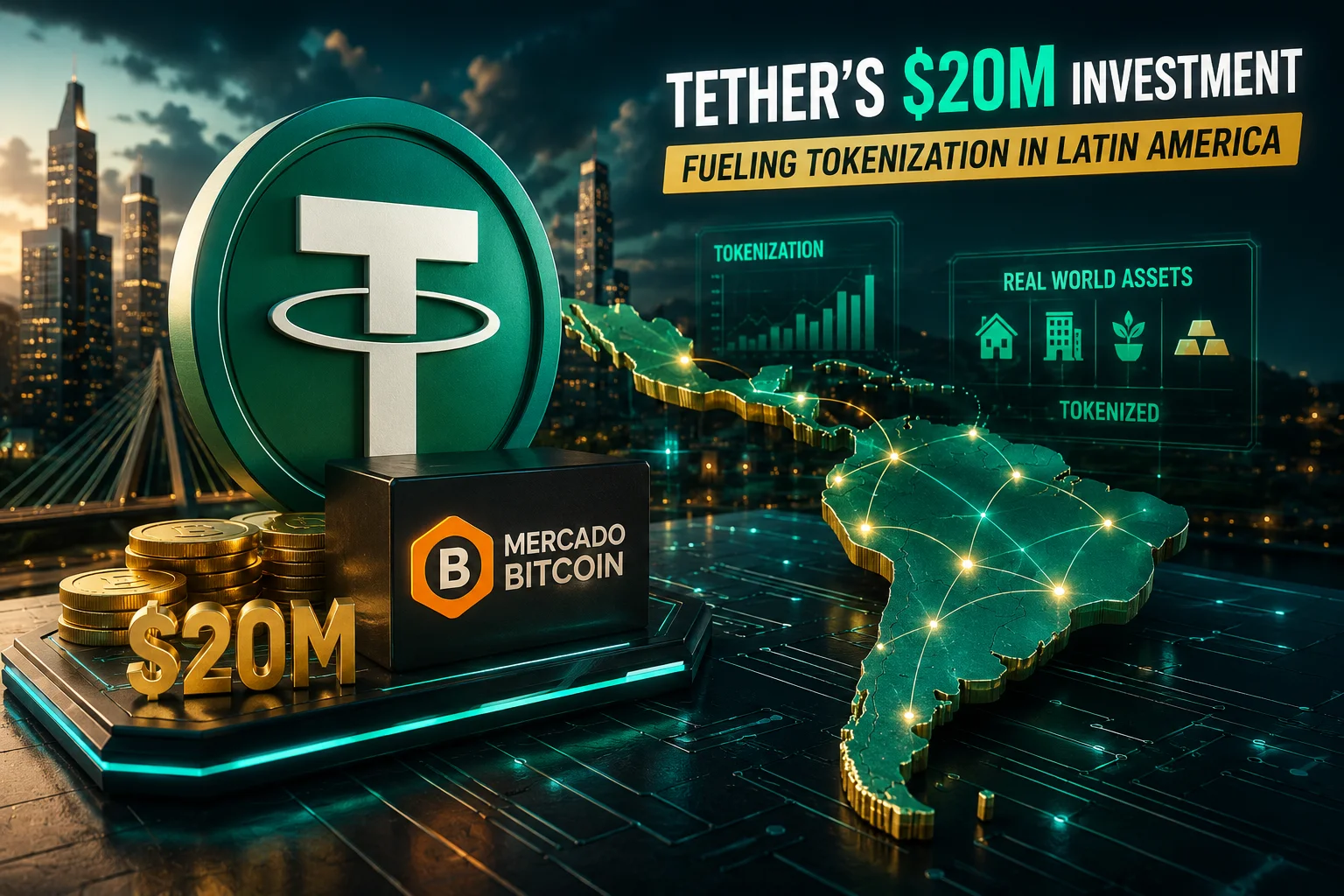

In 2026, Tether’s $20 million investment in Mercado Bitcoin is widely viewed as a pivotal move to accelerate the adoption of tokenization across Latin America. Tokenization—the process of converting real-world assets into digital tokens on a blockchain—is gaining momentum in the region, fueled by institutional interest, regulatory progress, and demand for accessible financial products. As one of Latin America’s largest crypto exchanges, Mercado Bitcoin is poised to leverage Tether’s backing to expand its tokenization platform, potentially igniting a new wave of innovation and investment in the Latin American crypto ecosystem.
Understanding Tokenization: The 2026 Landscape in Latin America
Tokenization is the process of representing ownership of real-world assets—such as real estate, commodities, equities, or even fine art—as digital tokens on a blockchain. These tokens can be traded, transferred, or used as collateral, offering new liquidity and accessibility to traditionally illiquid markets. In 2026, tokenization is no longer a theoretical concept in Latin America; it is a rapidly growing sector, with exchanges, fintechs, and even traditional banks exploring blockchain-based asset issuance.
Latin America’s appetite for tokenization is driven by several factors:
- Financial inclusion: Millions remain unbanked or underbanked, and tokenized assets offer new ways to access investment products.
- Inflation hedging: In countries with volatile currencies, tokenized dollar-denominated assets provide stability.
- Regulatory progress: Governments in Brazil, Colombia, and Mexico have introduced clearer frameworks for digital assets, making tokenization projects more viable.
For a deeper dive into the fundamentals, see tokenization explained.
Tether’s $20 Million Investment: Strategic Motives and Market Impact
Tether, the issuer of the world’s largest stablecoin USDT, announced a $20 million investment in Mercado Bitcoin in late 2026. The move was not just a capital injection, but a strategic partnership aimed at accelerating the development of Mercado Bitcoin’s tokenization infrastructure. Tether’s involvement signals growing institutional confidence in Latin America’s digital asset markets and reflects a broader trend of stablecoin issuers seeking to expand their influence beyond payments into asset tokenization and DeFi.
Historical Context: Tether’s Investments in Crypto Infrastructure
Tether’s previous investments have often focused on ecosystem growth—supporting exchanges, custody solutions, and blockchain infrastructure. The Mercado Bitcoin deal is notable for its focus on tokenization, positioning Tether as a key player in Latin America’s evolving digital asset landscape. While Tether’s stablecoin remains a dominant on-ramp for LATAM users, this investment marks a shift toward enabling new asset classes and use cases on regional platforms.
Mercado Bitcoin’s Role in LATAM’s Tokenization Ecosystem
Mercado Bitcoin, founded in Brazil, is one of the largest and most established crypto exchanges in Latin America. Its user base spans millions, and its platform already supports a range of digital assets, including local currency stablecoins and tokenized government bonds. With Tether’s $20 million backing, Mercado Bitcoin aims to:
- Expand its tokenization platform to include new asset classes, such as real estate, commodities, and private equity.
- Develop robust compliance and custody solutions tailored to institutional clients.
- Enhance cross-border settlement capabilities using stablecoins and tokenized assets.
- Foster partnerships with banks, fintechs, and asset managers across the region.
For a comprehensive review of the platform, see Mercado Bitcoin review.
If this opportunity involves trading, deposits, or exchange activity, review our crypto trading guide for beginners to understand fees, risk control, and safer decision-making.
Key Drivers of Tokenization Growth in Latin America (2026)
Several macro and micro trends are converging to make 2026 a breakout year for tokenization in Latin America:
- Regulatory clarity: Brazil’s digital asset laws now explicitly recognize tokenized securities and commodities, while Mexico and Colombia have introduced sandboxes for tokenization pilots.
- Institutional adoption: Pension funds, asset managers, and private banks are exploring tokenized products for diversification and efficiency.
- Cross-border demand: Latin America’s large diaspora and remittance flows make tokenized dollar assets and stablecoins particularly attractive.
- Retail participation: Tokenization lowers minimum investment thresholds, opening up asset classes to a broader population.
Case Studies: Successful Tokenization Projects in LATAM
Recent examples include tokenized Brazilian government bonds, real estate-backed tokens in Colombia, and agricultural commodity tokens in Argentina. These projects have demonstrated both investor demand and the technical feasibility of large-scale tokenization in the region.
Opportunities and Challenges for Investors, Traders, and Institutions
For crypto investors and institutions, the rise of tokenization in Latin America presents both new opportunities and unique risks. On the opportunity side:
- Access to new markets: Tokenization enables exposure to local assets that were previously inaccessible to global investors.
- Liquidity and fractionalization: Investors can buy fractions of high-value assets, increasing portfolio flexibility.
- Enhanced transparency: Blockchain-based records improve auditability and reduce settlement times.
However, there are also challenges:
- Regulatory uncertainty: While progress has been made, rules can vary significantly by country and asset type.
- Custody and security: Safeguarding tokenized assets requires robust custody solutions and user education.
- Market liquidity: Secondary markets for tokenized assets are still developing, which can impact exit strategies.
For investors new to the space, it’s crucial to understand both the technical and legal frameworks before participating. See our crypto safety guide for best practices.
Developer Perspectives: Building Tokenization Solutions in LATAM
For blockchain developers, the tokenization boom is opening up new avenues for innovation. Mercado Bitcoin’s expanded platform is expected to offer APIs and SDKs for asset issuers, making it easier to launch compliant tokenized products. Key areas of focus include:
- Smart contract templates for asset issuance and compliance.
- Integration with local payment rails and stablecoins.
- On-chain identity and KYC solutions tailored to LATAM regulations.
If you prefer curated opportunities instead of browsing everything manually, check our featured airdrops and compare higher-signal campaigns first.
Developer Tools and Resources for Tokenization
Developers can leverage open-source frameworks and participate in hackathons sponsored by exchanges and fintechs. Collaboration with legal and compliance experts is increasingly important to ensure that tokenized products meet local regulatory requirements.
Regulatory Environment for Tokenization in Latin America (2026)
The regulatory landscape for tokenization in Latin America is evolving rapidly. Brazil remains the regional leader, with the Comissão de Valores Mobiliários (CVM) providing guidance on tokenized securities and sandbox programs for fintech innovation. Mexico’s Fintech Law has been updated to include provisions for digital assets, while Colombia and Chile are piloting tokenization projects under regulatory oversight.
- Brazil: Clear rules for tokenized securities, active regulatory sandboxes.
- Mexico: Updated Fintech Law, focus on consumer protection and innovation.
- Colombia: Government-backed pilots for tokenized bonds and commodities.
- Argentina: Regulatory discussions ongoing, with a focus on agricultural tokens.
Despite progress, cross-border harmonization remains a challenge, and participants should monitor local developments closely. For more, see crypto regulations in Latin America.
Future Outlook: Will Tether and Mercado Bitcoin Ignite a Tokenization Boom?
As 2026 unfolds, Tether’s $20 million investment in Mercado Bitcoin is already catalyzing new projects and partnerships across the region. Analysts expect:
- Continued growth in tokenized government and corporate bonds.
- Expansion into real estate, commodities, and alternative assets.
- Greater institutional participation as regulatory clarity improves.
- Emergence of secondary markets and DeFi integrations for tokenized assets.
However, the pace of adoption will depend on ongoing regulatory progress, user education, and the ability of platforms like Mercado Bitcoin to deliver secure, user-friendly tokenization solutions. The risk of scams and technical failures remains, underscoring the need for careful due diligence and adherence to best practices.
For those looking to participate, start by researching platforms, understanding local regulations, and considering the liquidity and custody options available. Developers and institutions should engage with regulatory sandboxes and industry groups to stay ahead of compliance requirements.
As Latin America’s tokenization market matures, the region could emerge as a global leader in blockchain-based asset innovation—if the right infrastructure, regulation, and user protections are in place. Tether’s bet on Mercado Bitcoin is a strong signal that the race is on.
For more on tokenization, market analysis, and crypto safety, visit our crypto guides and market analysis and crypto safety guide.
Helpful Crypto Resources From Airdrop Hot List
To continue your research safely, explore our latest crypto airdrops. These resources can help you compare opportunities, learn market basics, and avoid common crypto risks.
DeFi campaigns can involve protocol usage, liquidity, staking, or wallet activity. Before spending gas or locking funds, compare more DeFi airdrops and review the effort-to-reward balance.
Tether’s $20 Million Investment: Strategic Motives and Official Response
Tether’s $20 million investment in Mercado Bitcoin marks a significant milestone in the evolution of Latin America’s digital asset landscape. According to official statements from both companies, the partnership aims to accelerate the adoption of blockchain-based tokenization platforms, with a focus on real-world assets (RWAs) such as government bonds, commodities, and local currencies. Tether’s CTO, Paolo Ardoino, emphasized that the investment is not just financial but also strategic, providing technical expertise and network access to Mercado Bitcoin. Meanwhile, Mercado Bitcoin’s CEO, Reinaldo Rabelo, highlighted the opportunity to scale their tokenization infrastructure and attract institutional partners across the region.
How Mercado Bitcoin Plans to Use Tether’s $20M: Platform Expansion and Ecosystem Growth
Mercado Bitcoin has outlined a multi-pronged strategy for deploying Tether’s investment:
- Scaling Tokenization Infrastructure: Upgrading their proprietary tokenization platform to support a broader range of assets, including tokenized government debt, real estate, and carbon credits.
- Regulatory Compliance: Investing in compliance tools to navigate evolving crypto regulations in Latin America, ensuring that new tokenized products meet local and international standards.
- Institutional Onboarding: Launching educational initiatives and pilot programs to onboard banks, asset managers, and fintechs interested in blockchain-based asset issuance.
- User Experience: Enhancing the user interface and onboarding process to make tokenized assets accessible to retail investors, including the underbanked population.
This approach positions Mercado Bitcoin as a regional leader in tokenization, aiming to bridge traditional finance and the crypto economy in Latin America by 2026.
Case Studies: Tokenization Projects Gaining Traction in Latin America
Several tokenization initiatives have already demonstrated the transformative potential of blockchain in the region:
- Brazilian Government Bonds: Mercado Bitcoin’s pilot project with tokenized Brazilian government bonds allowed retail investors to access fixed-income products previously reserved for institutions.
- Real Estate Tokenization: Startups in Mexico and Colombia have launched platforms enabling fractional ownership of commercial and residential properties, lowering entry barriers for local investors.
- Carbon Credit Markets: Chilean and Brazilian companies are experimenting with tokenized carbon credits, providing transparent and tradable environmental assets for both local and international buyers.
These projects illustrate the diversity of tokenization use cases and the region’s appetite for innovative financial products.
Risks and Challenges: What Users and Institutions Should Watch For
Despite the promise of tokenization, several risks and challenges remain for both individual and institutional participants:
- Regulatory Uncertainty: While some countries have made progress, the regulatory environment across Latin America remains fragmented. Users should monitor local developments and ensure compliance before participating in tokenized offerings.
- Counterparty and Platform Risk: As with any digital asset platform, there are risks related to platform solvency, smart contract vulnerabilities, and custodial security. It is crucial to conduct due diligence and use secure wallets. For more tips, see our crypto safety guide.
- Liquidity Constraints: Some tokenized assets may have limited secondary market liquidity, making it harder to exit positions quickly.
- Volatility and Market Risk: Tokenized assets, especially those tied to local currencies or volatile markets, can experience significant price swings.
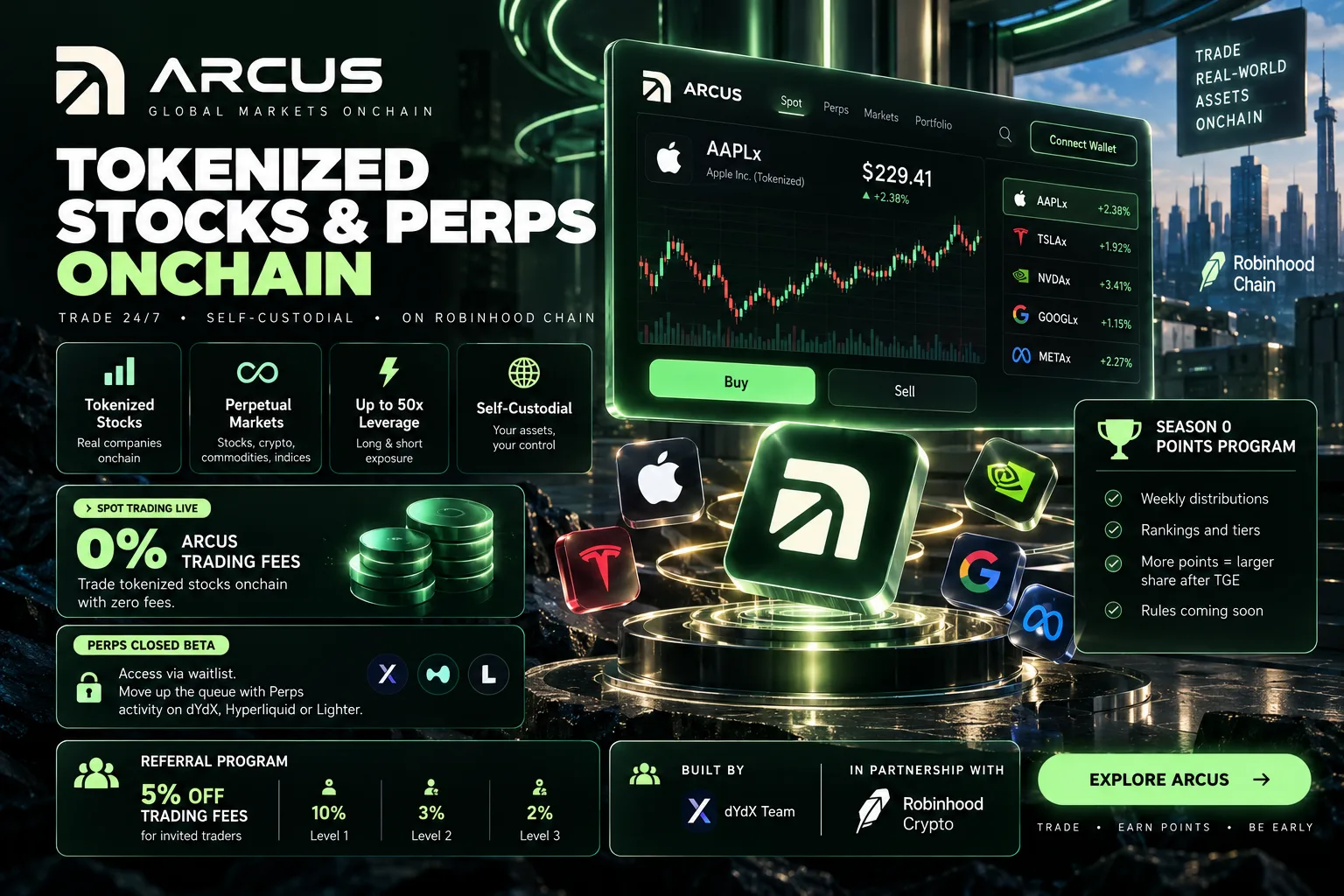
 Arcus Exchange
 JoinCare
 Breath of Estova
User Impact: How Tokenization is Changing Access to Finance in LATAM
For everyday users, tokenization is opening new doors to investment and financial inclusion. With Mercado Bitcoin’s expanded platform, individuals in Brazil, Argentina, Colombia, and beyond can now:
- Invest in fractional shares of real estate, government bonds, and commodities with minimal capital.
- Access global markets and diversify portfolios beyond local banking products.
- Participate in latest crypto airdrops and earn rewards for early adoption of tokenized products.
- Benefit from transparent, blockchain-based records of ownership and transaction history.
Institutions, meanwhile, are exploring tokenization as a way to streamline asset issuance, reduce settlement times, and tap into new pools of capital.
What Users Should Do Next: Getting Involved in LATAM Tokenization
If you’re interested in participating in Latin America’s tokenization boom, consider the following steps:
- Research Platforms: Start with reputable exchanges like Mercado Bitcoin. Read our Mercado Bitcoin review for an in-depth look at features and security.
- Understand Tokenization: Learn the basics with our guide on tokenization explained.
- Monitor Regulatory Changes: Stay updated on evolving rules in your country. Our guide to crypto regulations in Latin America is a good starting point.
- Start Small: Begin with small investments in tokenized assets and gradually increase exposure as you gain confidence.
- Stay Informed: Follow crypto guides and market analysis for the latest trends, project launches, and airdrop opportunities.
Key Takeaways: Tether, Mercado Bitcoin, and the Future of Tokenization in LATAM
- Tether’s $20 million investment is a strategic bet on the growth of tokenization in Latin America, with Mercado Bitcoin as a central player.
- Tokenization is democratizing access to assets, driving financial inclusion, and attracting both retail and institutional investors.
- Regulatory clarity, platform security, and liquidity remain key challenges for the sector’s sustainable growth.
- Users and institutions should stay informed, conduct due diligence, and leverage educational resources to participate safely in the evolving tokenization ecosystem.
Frequently Asked Questions (FAQ)
| Question | Answer |
|---|---|
| What is tokenization and how does it work in crypto? | Tokenization is the process of converting ownership of real-world assets into digital tokens on a blockchain, enabling easier trading, transfer, and access to traditionally illiquid markets. |
| Why is Latin America a hotspot for tokenization in 2026? | Latin America’s large unbanked population, inflation challenges, and growing tech adoption make it fertile ground for blockchain-based financial innovation like tokenization. |
| How does Tether’s investment benefit Mercado Bitcoin? | The $20 million investment provides Mercado Bitcoin with capital, technical expertise, and strategic support to expand its tokenization platform and reach new users. |
| What are the risks of investing in tokenization projects? | Risks include regulatory uncertainty, platform security, liquidity constraints, and market volatility. Always conduct due diligence and start with small investments. |
| How can I participate in tokenization projects as a beginner? | Start by researching reputable platforms, learning the basics of tokenization, and making small, informed investments. See our tokenization explained guide for more details. |
| Are there any upcoming airdrops related to tokenization in LATAM? | Yes, several projects are planning airdrops to incentivize early users. Check our page for the latest crypto airdrops in the region. |
| What should institutions consider before entering the Latin American tokenization market? | Institutions should evaluate regulatory compliance, platform reliability, and market demand before launching or investing in tokenized products in Latin America. |

 Gaming Platforms
 Crypto Casinos
 Blockchain Bridges
 Staking & Restaking
 DEX Token Swapping
 Crypto Wallets