
 BTC
BTC
 ETH
ETH
 USDT
USDT
 BNB
BNB
 XRP
XRP
 USDC
USDC
 SOL
SOL
 TRX
TRX
 FIGR_HELOC
 ZEC
ZEC
 HYPE
HYPE
 DOGE
DOGE
 XMR
XMR
 USDS
USDS
 WBT
WBT
 LINK
LINK
 LEO
LEO
 ADA
ADA
 NEAR
NEAR
 XLM
XLM
 RAIN
RAIN
 BCH
BCH
 USDE
USDE
 DAI
DAI
 LTC
LTC
 UNI
UNI
 CC
CC
 AVAX
AVAX
 USD1
USD1
 SUI
SUI
 GRAM
GRAM
 HBAR
HBAR
 XAUT
XAUT
 USDG
USDG
 QNT
QNT
 PYUSD
PYUSD
 SHIB
SHIB
 TAO
TAO
 ENA
ENA
 CRO
CRO
 RLUSD
RLUSD
 USYC
USYC
 USDY
USDY
 OKB
OKB
 M
M
 BUIDL
BUIDL
 AAVE
AAVE
 BTW
BTW
 ONDO
ONDO
 PUMP
PUMP
 USDF
USDF
 PEPE
PEPE
 EURSAFO
 PAXG
PAXG
 ASTER
ASTER
 USDD
USDD
 DOT
DOT
 MNT
MNT
 WLFI
WLFI
 WLD
WLD
 U
U
 SKY
SKY
 ICP
ICP
 HTX
HTX
 MORPHO
 BFUSD
BFUSD
 BGB
BGB
 USDGO
USDGO
 VVV
VVV
 ETC
ETC
 ARB
ARB
 JST
JST
 KCS
KCS
 GT
GT
 KAS
KAS
 POL
POL
 ALGO
ALGO
 JUP
JUP
 RENDER
 ATOM
ATOM
 PI
PI
 OUSD
OUSD
 NEXO
NEXO
 INJ
INJ
 LIT
LIT
 FIL
FIL
 USTB
USTB
 AKE
AKE
 GHO
GHO
 ZRO
ZRO
 DASH
DASH
 CAKE
CAKE
 XDC
XDC
 PEARL
PEARL
 NIGHT
NIGHT
 ETHFI
ETHFI
 APT
APT
 PYTH
PYTH
 BDX
BDX
 JAAA
JAAA


U.S. Treasury yields fell on August 7 after the July employment report showed an unexpected contraction in payrolls and substantial downward revisions to earlier data. The release weakened the case for an imminent Federal Reserve rate increase, helping stocks advance. Yet the relief was incomplete: Brent crude remained above $80 as negotiations over the Strait of Hormuz continued without a final agreement. Investors should now watch whether the August 12 inflation report confirms a softer policy path or allows the energy shock to keep the Fed on guard.
For additional cross-asset context, see AirdropHotList's market analysis guides.
July payroll contraction changes the Fed debate
Total nonfarm payroll employment declined by 23,000 in July, while the unemployment rate edged down to 4.1%, according to the Bureau of Labor Statistics employment report. May and June payroll growth was revised down by a combined 103,000 jobs. The lower unemployment rate was not an unambiguously positive signal because the labor force also contracted, while the payroll revisions suggested that hiring had been weaker than previously reported.
The composition matters. Local government education employment fell by 50,000, retail trade lost 19,000 positions and financial activities declined by 14,000. Health care added 22,000 jobs, but that was below its average monthly increase over the prior year, according to an Axios breakdown of the BLS data. Seasonal volatility in education means investors should avoid treating one headline as proof of recession, but the revisions make the broader loss of momentum harder to dismiss.
The report landed nine days after the Federal Open Market Committee maintained the federal funds target range at 3.5% to 3.75%. In its July 29 policy statement, the Fed said inflation remained elevated and noted that energy-related supply shocks were contributing to price pressures. Three policymakers dissented in favor of a quarter-point increase. That unusually hawkish split shows why weak employment data can delay another increase without automatically putting rate cuts on the table.
Not every reward campaign deserves your time. Before you commit, compare this opportunity with our active airdrops list and focus on campaigns with clearer upside, better trust signals, and realistic participation steps.
US Treasuries gain as near-term tightening risk fades
The clearest response came in fixed income. The two-year Treasury yield, which is especially sensitive to the expected path of the policy rate, fell to 4.20% from 4.22% immediately before the report and traded as low as 4.15%. The benchmark 10-year yield declined to 4.64% from 4.67% before the data, according to the Associated Press market report.
The modest size of the closing move is informative. Payroll weakness reduced the probability of near-term tightening, but longer-dated yields still had to absorb elevated inflation uncertainty, oil risk and the possibility that the employment decline was distorted by seasonal government hiring. A sustained bond rally will therefore require confirmation from prices and wages, not merely another weak payroll headline.
For Treasury investors, the front end should remain more responsive to labor data and Fed communication. The long end faces a less favorable mix: slower real growth is bond-positive, but persistent energy inflation and uncertainty over the inflation risk premium can keep 10- and 30-year yields elevated even if policymakers postpone a rate increase.
If this opportunity involves trading, deposits, or exchange activity, review our crypto trading guide for beginners to understand fees, risk control, and safer decision-making.
US equities celebrate the pause, not the economic message
Stocks treated the report primarily as a reduction in discount-rate risk. The S&P 500 rose 0.6% on August 7, the Dow Jones Industrial Average gained 0.3% and the Nasdaq Composite advanced 1.3%, according to the Associated Press closing summary. The stronger Nasdaq performance was consistent with the immediate benefit that lower expected rates provide to longer-duration growth shares.
That reaction should not be confused with evidence that weaker employment is fundamentally bullish. Lower yields can support equity valuations, but declining payrolls eventually threaten household income, consumption and corporate revenue. The initial "bad news is good news" response can persist while investors believe the economy is cooling gently. It becomes unstable if subsequent releases show broad layoffs, weaker earnings guidance or a sustained deterioration in private-sector hiring.
The most constructive equity outcome would combine softer inflation with stabilization in payroll growth. Conversely, an inflation surprise caused by energy costs would leave the market with the less attractive combination of weaker growth and a Fed unable to ease policy. In that environment, highly valued rate-sensitive shares would be vulnerable even if nominal Treasury yields initially fell on recession concerns.
Brent crude prevents a clean dovish pivot
Oil remains the obstacle to a straightforward interpretation of the jobs report. Brent crude rose 1.3% to $83.55 a barrel on August 7, according to the same Associated Press market coverage. Prices had received relief earlier in the week from reports of diplomatic progress, but negotiations involving the United States, Iran and Oman had not produced a final, operational agreement reopening the Strait of Hormuz.
Officials had reported progress toward an arrangement under which ships could use Iranian- and Omani-administered routes, but the terms remained under negotiation and the United States opposed any settlement that formalized Iranian control or transit charges, according to the Associated Press account of the talks. Investors should therefore distinguish hope for an agreement from confirmed normalization of maritime traffic.
The macroeconomic stakes are unusually large. Oil flows through Hormuz averaged 20.9 million barrels per day in the first half of 2025, equivalent to about 20% of global petroleum-liquids consumption and one-quarter of maritime oil trade, according to the U.S. Energy Information Administration. A credible reopening would reduce the geopolitical premium in crude, improve the inflation outlook and reinforce the payroll-driven decline in yields. Renewed disruption would reverse that mechanism by lifting fuel, freight and production costs.
If you want to understand how eligibility, snapshots, claiming, and reward distribution usually work, start with our crypto airdrop guide before joining new campaigns.
Three scenarios before the September Fed meeting
- Dovish scenario: Hormuz shipping normalizes, oil retreats and July inflation is softer than feared. Treasury yields extend their decline, the dollar loses rate support and equities benefit from a lower expected policy path.
- Base scenario: Negotiations continue without a durable settlement, oil remains volatile and inflation shows only gradual improvement. The Fed holds rates at its September 15-16 meeting while emphasizing that both employment and energy prices remain uncertain.
- Hawkish scenario: Talks break down, oil rises sharply and inflation expectations firm despite weaker hiring. The front-end Treasury rally reverses as markets restore the possibility of another rate increase, while equities confront both slower growth and tighter financial conditions.
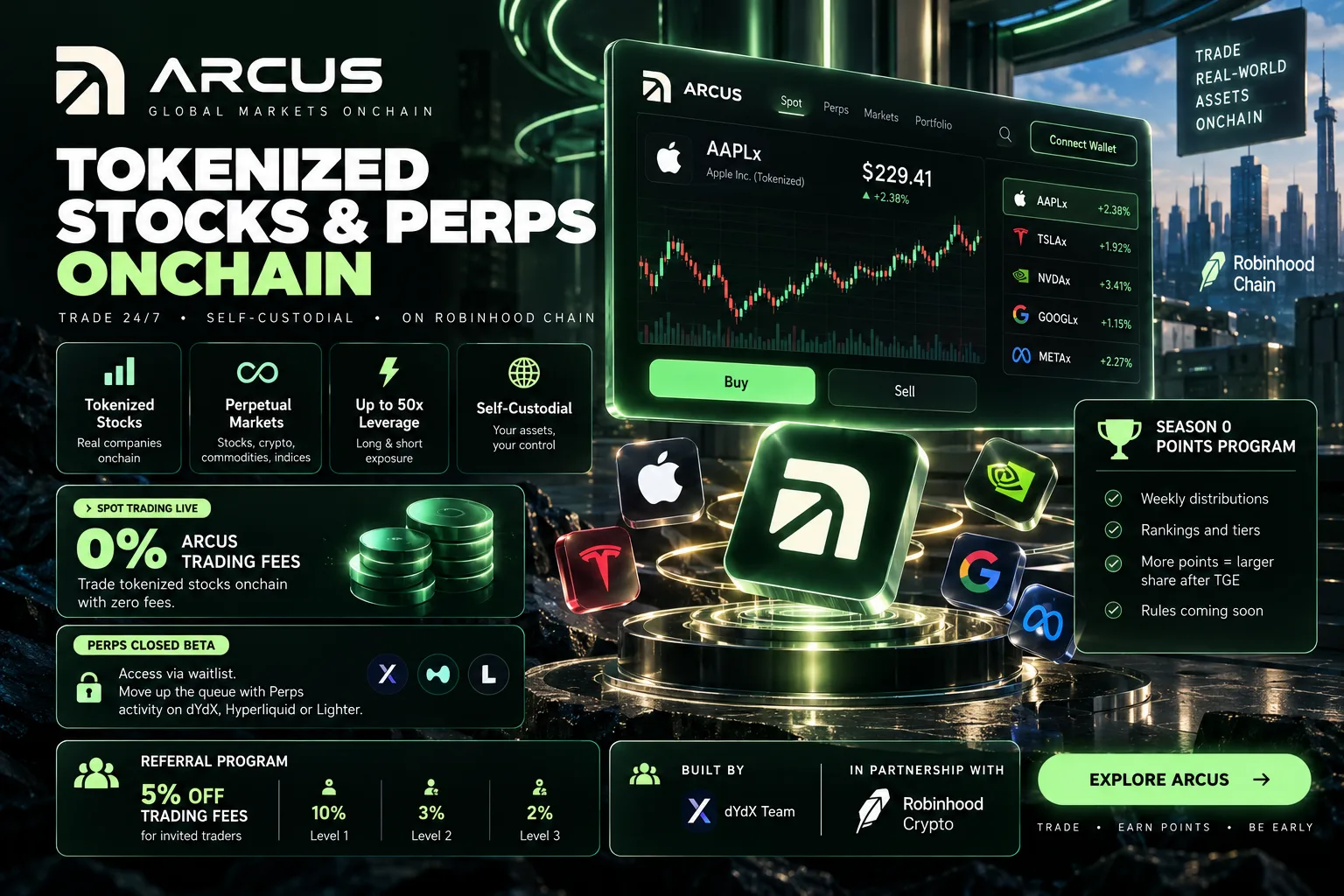
 Arcus Exchange
 JoinCare
 Breath of Estova
Investor watchlist shifts from payrolls to inflation and shipping
The next decisive scheduled release is the July Consumer Price Index at 8:30 a.m. Eastern time on August 12, as shown in the official BLS release calendar. Investors should focus on core inflation, energy pass-through and whether service prices are cooling independently of oil. Weekly jobless claims and the next employment report will help determine whether July's payroll decline was a temporary distortion or the beginning of a broader contraction.
Hormuz developments require an equally high verification threshold. A political framework, temporary route or optimistic official comment is not the same as restored tanker traffic. Evidence of sustained vessel transits, lower insurance costs and recovering export volumes would carry more market significance than another announcement that negotiations are close.
Conclusion
The July payroll report delivered genuine relief to the Treasury market by challenging the case for an immediate Fed rate increase. It also supported equities through lower discount-rate expectations. But the policy outlook is not decisively dovish: the Fed has recently emphasized elevated inflation, three officials favored tightening in July, and Brent crude remains exposed to an unresolved dispute over the world's most important oil chokepoint. The next durable cross-asset move will depend on whether softer labor demand is joined by lower inflation and verified improvement in Hormuz shipping.





 Gaming Platforms
 Crypto Casinos
 Blockchain Bridges
 Staking & Restaking
 DEX Token Swapping
 Crypto Wallets