
 BTC
BTC
 ETH
ETH
 USDT
USDT
 BNB
BNB
 XRP
XRP
 USDC
USDC
 SOL
SOL
 TRX
TRX
 FIGR_HELOC
 ZEC
ZEC
 HYPE
HYPE
 DOGE
DOGE
 XMR
XMR
 USDS
USDS
 WBT
WBT
 LINK
LINK
 LEO
LEO
 ADA
ADA
 NEAR
NEAR
 XLM
XLM
 RAIN
RAIN
 BCH
BCH
 USDE
USDE
 DAI
DAI
 LTC
LTC
 UNI
UNI
 CC
CC
 AVAX
AVAX
 USD1
USD1
 SUI
SUI
 GRAM
GRAM
 HBAR
HBAR
 XAUT
XAUT
 USDG
USDG
 QNT
QNT
 PYUSD
PYUSD
 SHIB
SHIB
 TAO
TAO
 ENA
ENA
 CRO
CRO
 RLUSD
RLUSD
 USYC
USYC
 USDY
USDY
 OKB
OKB
 M
M
 BUIDL
BUIDL
 AAVE
AAVE
 BTW
BTW
 ONDO
ONDO
 PUMP
PUMP
 USDF
USDF
 PEPE
PEPE
 EURSAFO
 PAXG
PAXG
 ASTER
ASTER
 USDD
USDD
 DOT
DOT
 MNT
MNT
 WLFI
WLFI
 WLD
WLD
 U
U
 SKY
SKY
 ICP
ICP
 HTX
HTX
 MORPHO
 BFUSD
BFUSD
 BGB
BGB
 USDGO
USDGO
 VVV
VVV
 ETC
ETC
 ARB
ARB
 JST
JST
 KCS
KCS
 GT
GT
 KAS
KAS
 POL
POL
 ALGO
ALGO
 JUP
JUP
 RENDER
 ATOM
ATOM
 PI
PI
 OUSD
OUSD
 NEXO
NEXO
 INJ
INJ
 LIT
LIT
 FIL
FIL
 USTB
USTB
 AKE
AKE
 GHO
GHO
 ZRO
ZRO
 DASH
DASH
 CAKE
CAKE
 XDC
XDC
 PEARL
PEARL
 NIGHT
NIGHT
 ETHFI
ETHFI
 APT
APT
 PYTH
PYTH
 BDX
BDX
 JAAA
JAAA


Brent and West Texas Intermediate remain elevated after renewed disruption around the Strait of Hormuz tightened global oil flows and restored a substantial geopolitical premium. The strongest defensible reading on Friday, August 21, is not that crude is surging in the current session: prices eased modestly in early trading after reaching their highest levels in almost a month. Brent was down 0.3% at $93.45 a barrel and WTI was 0.4% lower at $86.53, according to an Associated Press market update. For investors, the important signal is that crude has held most of its recent advance despite weaker demand forecasts and rising U.S. inventories.
The next move depends on physical shipping rather than rhetoric alone. Investors should monitor verified tanker traffic, Gulf production, global inventories and the response of bond yields. A sustained recovery in Hormuz flows would remove part of the risk premium; another decline in traffic could quickly return the market to the July highs.
For additional context, explore AirdropHotList's crypto market analysis.
The disruption is a physical supply problem
The Strait of Hormuz is difficult to replace because it normally carries an enormous share of seaborne energy trade. The U.S. Energy Information Administration estimated that 20.9 million barrels per day of petroleum liquids moved through the waterway in the first half of 2025, equal to about 20% of global liquids consumption. Saudi and Emirati pipelines offered approximately 4.7 million barrels per day of bypass capacity, according to the EIA's official chokepoint analysis. That gap explains why even partial disruption can tighten supply and increase freight and insurance costs.
The current loss is measurable. In its August 11 outlook, the EIA estimated that Hormuz petroleum flows averaged only 4.9 million barrels per day during the second quarter of 2026, down from 21.6 million in the fourth quarter of 2025. It assumed shipments would remain severely constrained through August and recover gradually from September, while warning that production and trade patterns might not broadly return to pre-conflict conditions until early 2027. The agency's Short-Term Energy Outlook therefore provides a stronger foundation for the oil rally than unverified claims of a complete closure or reopening.
If you want reward-focused opportunities that involve tasks or activity, compare more earn crypto airdrops before choosing where to spend your time.
Brent retains the clearest geopolitical premium
Brent is the most direct benchmark for the global supply shock because international refiners must compete for barrels that can replace disrupted Gulf exports. The International Energy Agency reported on August 12 that regional exports, including bypass routes, fell to 15 million barrels per day in July after Hormuz was effectively closed again in early July. Global observed inventories declined by 69 million barrels during the month, while the agency projected a third-quarter oil deficit of 1.8 million barrels per day. Those figures appear in the IEA's August Oil Market Report.
The bullish case is therefore based on both lost supply and depleted buffers. However, Brent is no longer at the panic levels reached earlier in the conflict. The EIA recorded a July 23 Brent spot high of $105, while early Friday trading near $93 showed that the market is pricing severe disruption without assuming a total, permanent halt. Diplomacy or safer passage for tankers could remove several dollars of risk premium quickly, making Brent highly sensitive to verified shipping reports.
WTI faces a stronger domestic inventory brake
WTI is benefiting from the same geopolitical backdrop, but U.S. storage and production provide a partial cushion. The EIA's August 19 Weekly Petroleum Status Report showed that commercial crude inventories increased by 4.4 million barrels in the week ended August 14 to 428.8 million barrels, matching the five-year seasonal average. Refinery utilization nevertheless reached 97.2%, while distillate inventories were 13% below their five-year average.
That combination matters. Adequate crude stocks can limit WTI's immediate upside, but high refinery activity and depleted distillate inventories indicate that the refined-products market remains tight. WTI may consequently underperform Brent if the disruption remains concentrated in internationally traded Gulf supply. It could catch up if U.S. exports rise further, domestic inventories begin falling or product shortages force refiners to maintain unusually high throughput.
Before connecting a wallet or approving any transaction, slow down and verify the source. Our crypto safety guide explains how to avoid fake claim pages, phishing links, risky approvals, and common wallet mistakes.
Treasury yields transmit the oil shock into monetary conditions
The crude rally is also an inflation event. Higher fuel and transport costs can delay disinflation, reduce expectations for monetary easing and raise the term premium investors demand on long-duration debt. On Friday morning, the U.S. 10-year Treasury yield was around 4.69% and the 30-year yield was near 5.24%, according to the same AP market report. The persistence of high yields despite official efforts to support Treasury-market liquidity suggests that inflation and fiscal risks are outweighing temporary technical relief.
This is the central cross-asset mechanism: expensive oil raises headline inflation risk, elevated yields increase financing costs, and higher discount rates reduce the present value of future corporate earnings. For Bitcoin and other liquidity-sensitive assets, the effect is similarly mixed. Institutional inflows can support prices, but a sustained oil shock becomes a headwind if it strengthens the dollar, lifts real yields or delays easier central-bank policy.
Global equities confront a margin and valuation squeeze
Equities face two simultaneous pressures. Energy-intensive businesses absorb higher input and freight costs, while long-duration growth companies must contend with higher bond yields. On August 20, the S&P 500 fell 0.9%, the Dow declined 1.3% and the Nasdaq Composite lost 1%, while Japan's Nikkei was heading for a weekly decline of more than 4% in Friday trading. The market moves were reported by Reuters and AP.
The counter-case is that some producers, refiners and oilfield-service companies can benefit from higher prices and margins. Yet the index-level effect becomes less favorable when crude strength is caused by unavailable supply rather than stronger economic demand. A supply-driven rally acts like a tax on consumers and importing countries, particularly in Asia, which received most Hormuz crude flows before the conflict.
If you want to understand how eligibility, snapshots, claiming, and reward distribution usually work, start with our crypto airdrop guide before joining new campaigns.
Three scenarios for the next oil move
- Bullish oil scenario: tanker traffic declines again, Gulf production remains shut in and inventory draws accelerate. Brent would be positioned to retest the July range, while inflation-sensitive bonds and broad equities would face renewed pressure.
- Base scenario: escorted or limited shipping continues, keeping exports below normal but preventing another collapse. Brent and WTI remain elevated and volatile, with Brent retaining a premium over the U.S. benchmark.
- Bearish oil scenario: a durable security arrangement restores tanker flows and allows shut-in production to return. The EIA forecasts Brent averaging $78 in the fourth quarter if traffic and output progressively recover, though that remains a forecast rather than a confirmed outcome.
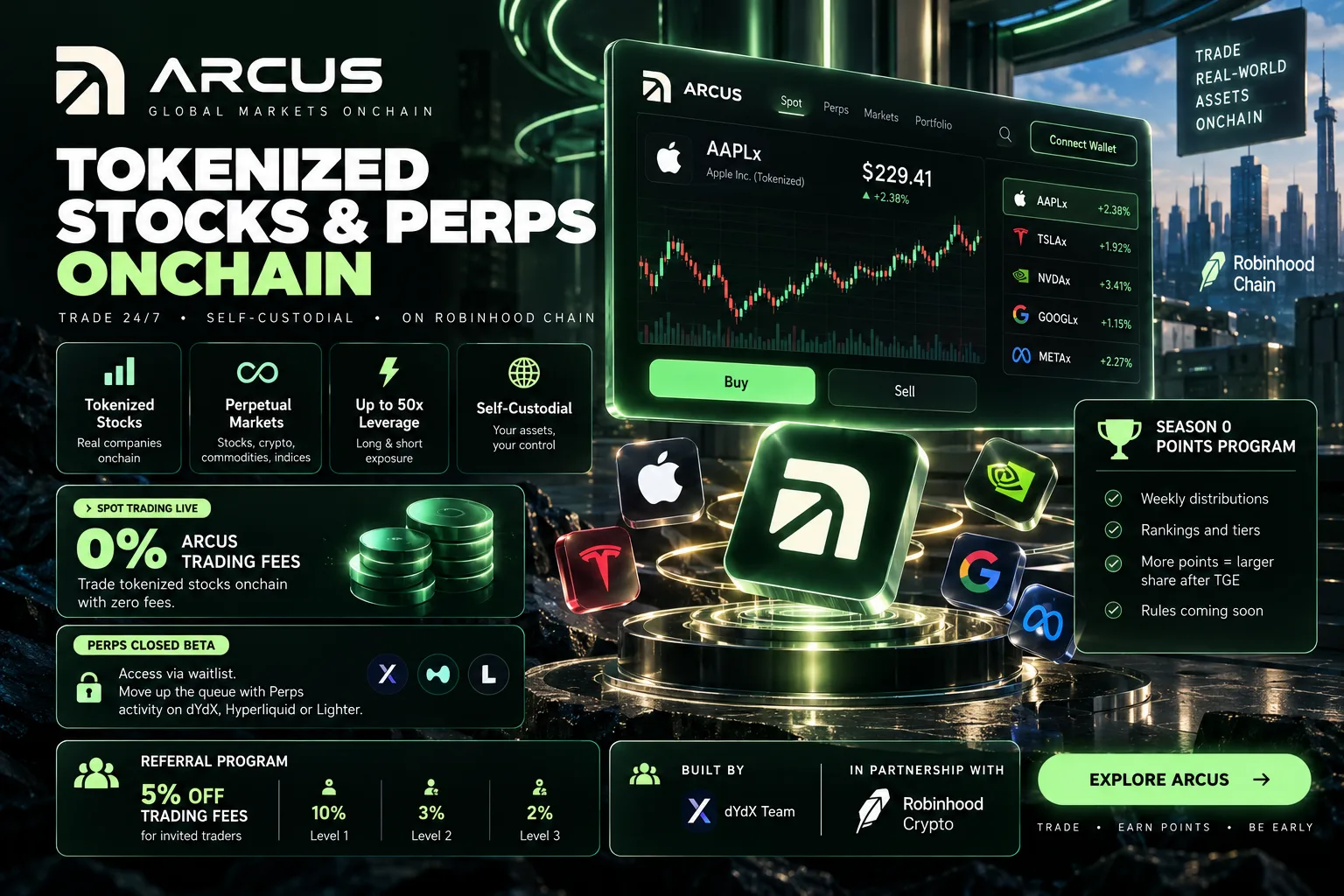
 Arcus Exchange
 JoinCare
 Breath of Estova
Investor watchlist
The highest-value indicators are daily tanker transits, Gulf export loadings, war-risk insurance costs and confirmed damage to vessels or infrastructure. Investors should also follow the Brent forward curve: persistent backwardation would indicate buyers are paying more for immediate barrels. In the United States, weekly crude and distillate inventories will show whether domestic supply can continue insulating WTI and consumers from the global shock.
Bond yields provide the fastest confirmation outside energy. If oil rises while long-term yields fall, markets may be treating the event as a temporary growth shock. If crude and yields rise together, investors are pricing a more persistent inflation problem. Broad equity weakness under that second configuration would confirm that the disruption is spreading beyond the energy complex.
Conclusion
The verified story is that Hormuz disruption has kept Brent and WTI near one-month highs, not that both benchmarks are surging without interruption on August 21. Physical flows remain far below pre-conflict levels, global inventories have declined and bypass capacity cannot fully replace the strait. Those facts support an elevated oil-risk premium.
The principal downside risk to crude is a faster normalization of shipping, while the upside risk is another reduction in tanker traffic before inventories can rebuild. Until one of those paths becomes clear, investors should expect Brent to remain the cleaner gauge of global scarcity, WTI to receive more protection from U.S. stocks, and oil-driven inflation concerns to continue influencing Treasuries, equities and crypto liquidity conditions.





 Gaming Platforms
 Crypto Casinos
 Blockchain Bridges
 Staking & Restaking
 DEX Token Swapping
 Crypto Wallets