
 BTC
BTC
 ETH
ETH
 USDT
USDT
 BNB
BNB
 XRP
XRP
 USDC
USDC
 SOL
SOL
 TRX
TRX
 FIGR_HELOC
 ZEC
ZEC
 HYPE
HYPE
 DOGE
DOGE
 XMR
XMR
 USDS
USDS
 WBT
WBT
 LINK
LINK
 LEO
LEO
 ADA
ADA
 NEAR
NEAR
 XLM
XLM
 RAIN
RAIN
 BCH
BCH
 USDE
USDE
 DAI
DAI
 UNI
UNI
 LTC
LTC
 CC
CC
 AVAX
AVAX
 USD1
USD1
 SUI
SUI
 GRAM
GRAM
 HBAR
HBAR
 XAUT
XAUT
 USDG
USDG
 QNT
QNT
 PYUSD
PYUSD
 SHIB
SHIB
 TAO
TAO
 ENA
ENA
 CRO
CRO
 RLUSD
RLUSD
 USYC
USYC
 USDY
USDY
 OKB
OKB
 M
M
 BUIDL
BUIDL
 AAVE
AAVE
 ONDO
ONDO
 PUMP
PUMP
 USDF
USDF
 PEPE
PEPE
 EURSAFO
 PAXG
PAXG
 ASTER
ASTER
 BTW
BTW
 USDD
USDD
 DOT
DOT
 WLFI
WLFI
 MNT
MNT
 WLD
WLD
 U
U
 SKY
SKY
 ICP
ICP
 MORPHO
 HTX
HTX
 BFUSD
BFUSD
 BGB
BGB
 USDGO
USDGO
 VVV
VVV
 ETC
ETC
 ARB
ARB
 JST
JST
 KCS
KCS
 GT
GT
 KAS
KAS
 POL
POL
 ALGO
ALGO
 JUP
JUP
 RENDER
 ATOM
ATOM
 PI
PI
 OUSD
OUSD
 NEXO
NEXO
 INJ
INJ
 LIT
LIT
 FIL
FIL
 USTB
USTB
 AKE
AKE
 GHO
GHO
 ZRO
ZRO
 CAKE
CAKE
 DASH
DASH
 NIGHT
NIGHT
 XDC
XDC
 PEARL
PEARL
 ETHFI
ETHFI
 APT
APT
 PYTH
PYTH
 BDX
BDX
 STX
STX


The Future of Cryptocurrency (2026–2030): Trends, Risks, and Early Opportunities
A few years ago, cryptocurrency felt like an experiment. Today, it’s becoming part of a much bigger system. Governments are regulating it, institutions are investing in it, and millions of users are trying to understand one thing:
Is crypto still early — or is the real opportunity already gone?
Between 2026 and 2030, crypto is expected to evolve from a speculative market into a functional financial layer. Understanding this shift is key if you want to position yourself ahead of the next wave.
What Will Define the Future of Crypto?
The next phase of cryptocurrency will not be driven only by price movements. Instead, it will be shaped by real-world adoption, infrastructure development, and user participation.
- Institutional adoption will continue to grow
- Blockchain infrastructure will become more efficient
- Applications will become easier to use
- Users will interact without even noticing the underlying technology
At the same time, early-stage ecosystems will continue rewarding users who participate before mainstream attention arrives.
Not every reward campaign deserves your time. Before you commit, compare this opportunity with our active airdrops list and focus on campaigns with clearer upside, better trust signals, and realistic participation steps.
From Hype to Real Utility
Early crypto cycles were dominated by hype and speculation. Projects launched quickly, prices moved fast, and narratives changed overnight.
That phase is gradually being replaced by something more stable: real utility.
Instead of short-term speculation, projects are now building long-term systems. These include decentralized finance platforms, tokenized assets, and cross-chain infrastructure.
Many of these ecosystems still rely on early user participation, which is why exploring new airdrop opportunities can help users identify projects before they become widely known.
Why Early Participation Matters More Than Ever
In previous cycles, the common strategy was simple: buy early and wait.
Today, the strategy is different. Users who engage early often gain more advantages than those who enter later through traditional investing.
Participation can include:
- Testing new platforms
- Using decentralized applications
- Completing ecosystem tasks
- Joining reward-based campaigns
If you are new to this concept, you can learn the basics in our crypto airdrop guide before exploring active opportunities.
The Rise of DeFi and Ecosystem Growth
One of the strongest growth areas heading into 2030 is decentralized finance (DeFi).
DeFi platforms aim to rebuild financial services without intermediaries, offering lending, trading, and asset management directly on-chain.
Many of these ecosystems reward early users, especially during their growth phases. If you want to explore this sector, browsing DeFi airdrop campaigns can give you a clearer idea of how participation works in practice.
DeFi campaigns can involve protocol usage, liquidity, staking, or wallet activity. Before spending gas or locking funds, compare more DeFi airdrops and review the effort-to-reward balance.
Crypto Will Become Invisible
One of the most important changes in the coming years is that crypto will become less visible.
Users will not necessarily “use crypto” directly. Instead, they will use applications powered by blockchain technology in the background.
Just like most people do not think about internet protocols when browsing websites, future users may not think about blockchain when using financial tools.
This shift will make adoption easier and allow crypto systems to scale more naturally.
Risks Still Exist — And They Matter
Despite all the progress, crypto is still a developing space. Risks are part of the ecosystem and should not be ignored.
- Regulation can impact certain sectors
- Market volatility remains high
- Not all projects succeed
- Scams and phishing attempts still exist
Before interacting with new platforms, it’s important to understand basic safety principles. You can review key protection tips in our crypto safety guide .
If you want to understand how eligibility, snapshots, claiming, and reward distribution usually work, start with our crypto airdrop guide before joining new campaigns.
Is It Too Late to Get Into Crypto?
The short answer is no. But the approach has changed.
Instead of chasing already popular tokens, many users are now focusing on early-stage opportunities and ecosystem participation.
This includes identifying platforms that are still in their growth phase and engaging with them before they attract mass attention.
One of the easiest ways to begin is by exploring active airdrop listings and understanding how users are earning through participation rather than speculation.
Final Thoughts: A New Phase of Opportunity
Crypto is not disappearing. It is evolving.
Between 2026 and 2030, the market will likely become more structured, more competitive, and more focused on real use cases.
While the easy opportunities of the past may be gone, new opportunities are forming for users who understand how the system works.
Those who focus on learning, participation, and timing may still find themselves ahead of the curve.
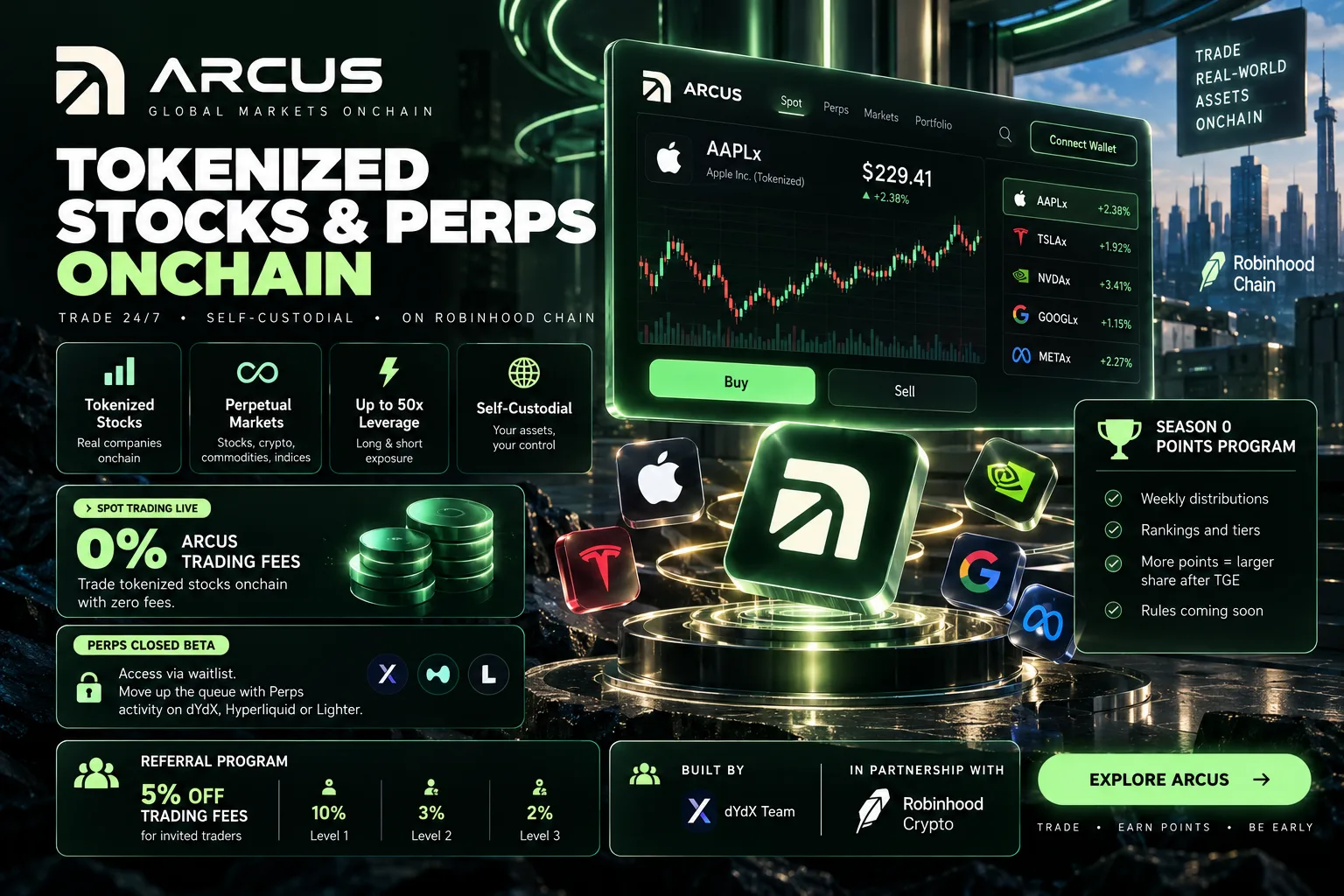
 Arcus Exchange
 JoinCare
 Breath of Estova
Frequently Asked Questions
What is the future of cryptocurrency?
The future of cryptocurrency will be shaped by adoption, infrastructure, and integration into everyday applications.
Is crypto still worth it in 2026?
Yes, but the strategy has shifted from simple investing to early participation and ecosystem engagement.
How can beginners start safely?
Beginners should focus on learning fundamentals, using secure wallets, and avoiding unknown or suspicious platforms.
Are airdrops still relevant?
Yes, many projects continue to reward early users through airdrops, especially during growth phases.





 Gaming Platforms
 Crypto Casinos
 Blockchain Bridges
 Staking & Restaking
 DEX Token Swapping
 Crypto Wallets